Glossary

What is Spinal Decompression?

Spinal Decompression is a non-surgical treatment designed to relieve pressure on the spine and spinal nerves. It involves gently stretching the spine using a motorized table or device to create negative pressure within spinal discs, which can help herniated or bulging discs retract and promote healing by allowing oxygen, water. And nutrients to flow into the discs.

Reviewed by Dr. Harry W. Brown, D.C.Sources reviewed: American Chiropractic Association, National Institute of Neurological Disorders and Stroke

Quick Facts About Spinal Decompression

Category

Non-surgical therapy

Used for

Relieving pressure on spinal discs and nerves

Common confusion

Often mistaken for spinal manipulation or surgery

Also called

Decompression Therapy, Non-Surgical Spinal Decompression

Often discussed with

Chiropractic Consultation and Diagnosis, Car Accident Injury Rehabilitation

Key Takeaways About Spinal Decompression

Understanding Spinal Decompression
Spinal Decompression in Chiropractor—McDonough

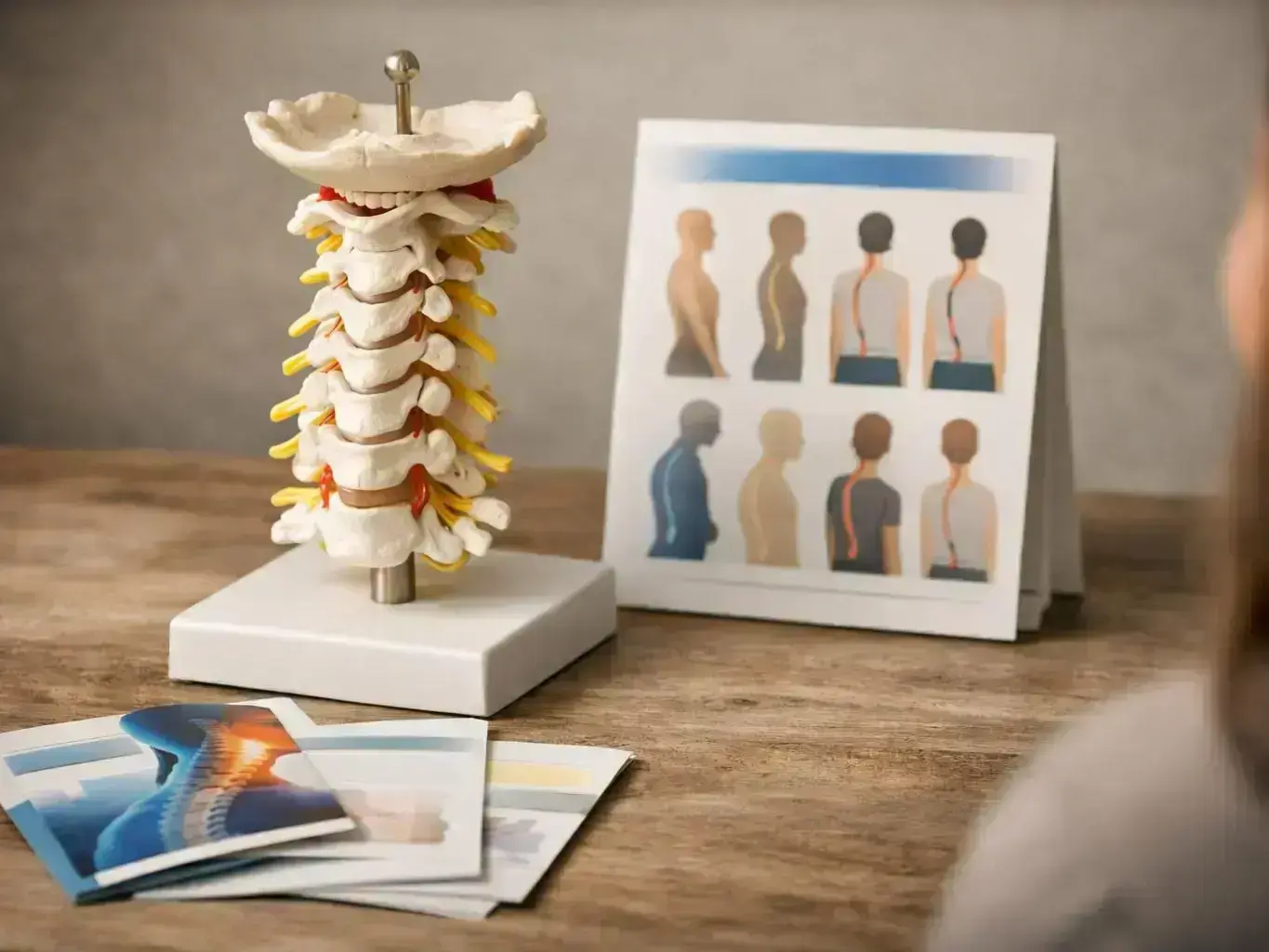
Spinal Decompression is a therapeutic technique used to treat pain related to the spine, particularly in cases involving disc herniation, bulging discs. Or nerve compression. The spine is made up of vertebrae separated by discs, which act as cushions. Over time, these discs can become damaged due to injury, aging. Or repetitive stress, leading to conditions like sciatica, chronic back pain. Or neck pain. Spinal Decompression aims to alleviate this pain by gently stretching the spine, which reduces pressure on the discs and nerves.

Related glossary terms: Disc Herniation, Chiropractic Care, Spinal Manipulation.

Unlike surgery, Spinal Decompression is non-invasive and doesn't involve incisions, anesthesia. Or lengthy recovery times. It's typically performed in a clinical setting using a specialized table or device controlled by a healthcare provider. The treatment is often combined with other therapies, such as chiropractic adjustments, physical therapy. Or cold laser therapy, to boost results. While it is not suitable for everyone, many patients experience relief from symptoms after a series of sessions.

How Spinal Decompression Works?

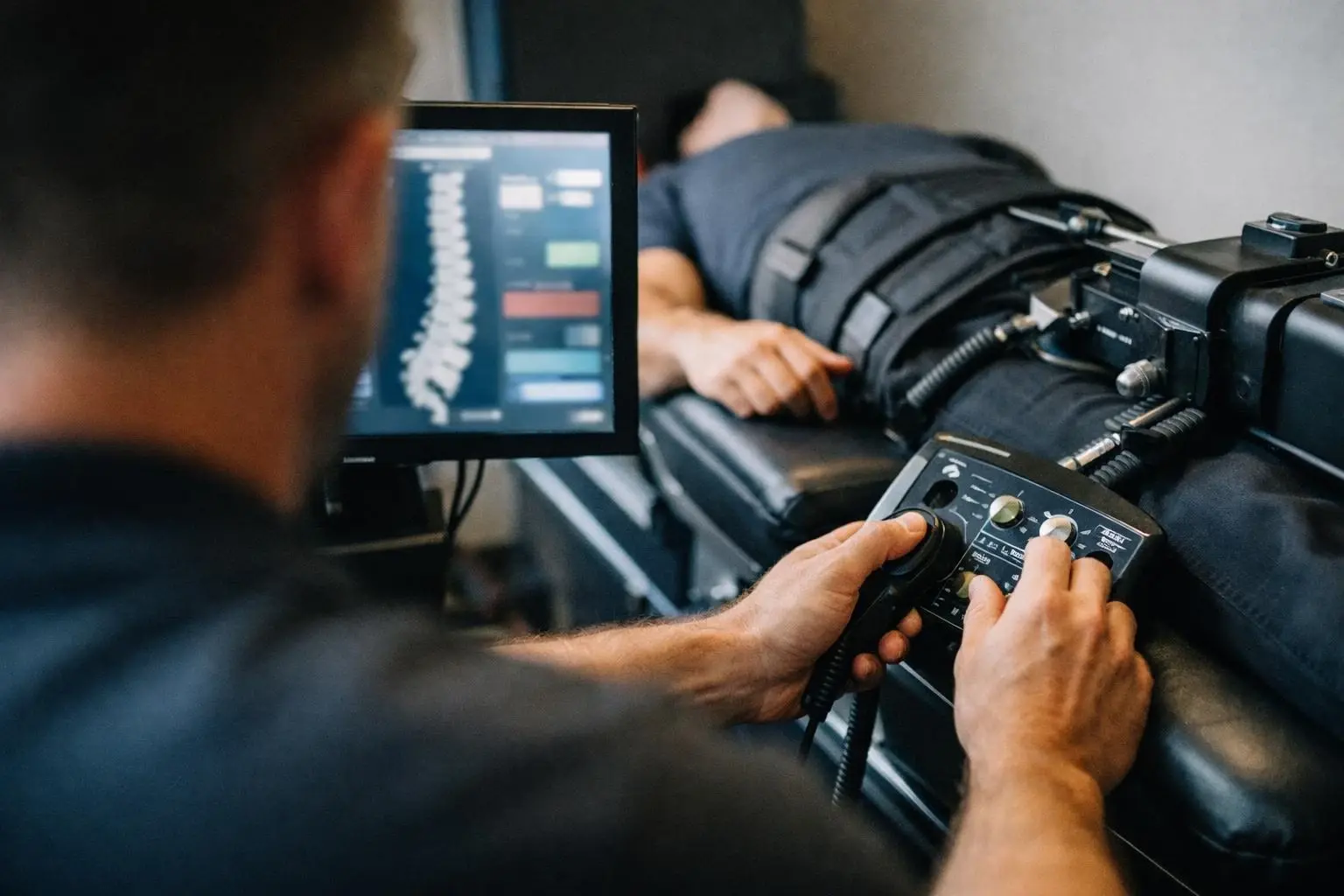
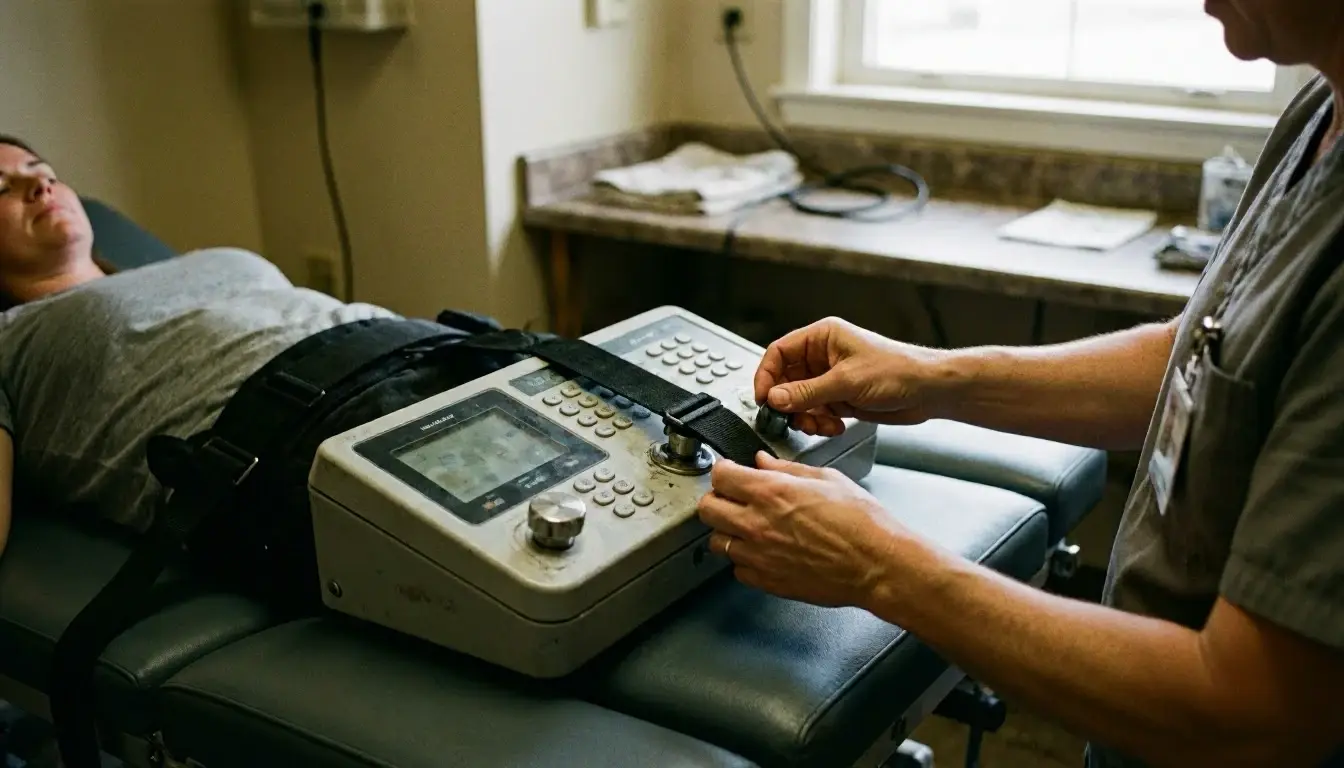
During a Spinal Decompression session, the patient lies on a motorized table, usually face up or face down, depending on the area being treated. A harness is placed around the hips or torso to secure the patient. And the table is programmed to apply a controlled, gentle stretch to the spine. This stretch creates negative pressure within the spinal discs, which can help herniated or bulging discs retract and relieve pressure on nerves. The negative pressure also encourages the flow of oxygen, water. And nutrients into the discs, promoting natural healing.

The treatment typically lasts 20 to 45 minutes per session. And patients often undergo multiple sessions over several weeks. The exact number of sessions depends on the severity of the condition and the patient’s response to treatment. While some patients feel relief after the first session, others may require more time to notice improvements. The process is generally painless. Though some patients may experience mild discomfort or muscle tension during or after the session.

Spinal Decompression is not a one-size-fits-all solution. Healthcare providers often conduct a thorough evaluation, including medical history, physical examination. And imaging studies like X-rays or MRIs, to determine if the patient is a good candidate for the treatment. Conditions such as fractures, tumors, severe osteoporosis. Or advanced spinal instability may make Spinal Decompression unsuitable.

Why Spinal Decompression Matters?

Spinal Decompression matters because it offers a non-surgical alternative for individuals suffering from chronic back or neck pain caused by disc-related issues. Many people with conditions like herniated discs, degenerative disc disease. Or sciatica face limited treatment options, often resorting to pain medications, injections. Or surgery. Spinal Decompression provides a way to address the root cause of pain without the risks or downtime associated with invasive procedures. By reducing pressure on the spine, it can help patients regain mobility, reduce pain. And improve their quality of life.

And Spinal Decompression can be a cost-effective option compared to surgery or long-term medication use. While the upfront cost of multiple sessions may seem high, it is often less expensive than surgical interventions, which can require hospital stays, anesthesia. And extended recovery periods. For many patients, the ability to avoid surgery and return to daily activities sooner makes Spinal Decompression a valuable treatment option.

When Spinal Decompression Matters Most?

Spinal Decompression matters most for individuals who have not found relief from conventional treatments like medication, physical therapy. Or chiropractic adjustments. It is particularly beneficial for those suffering from conditions such as disc herniation, bulging discs, spinal stenosis. Or sciatica. Patients who experience radiating pain, numbness. Or tingling in the arms or legs due to nerve compression may also benefit from this treatment. But it is not recommended for everyone. And a healthcare provider should evaluate whether it is appropriate based on the patient’s specific condition.

Spinal Decompression is also important for individuals who want to avoid surgery or are not candidates for surgical procedures due to health risks. For example, patients with diabetes, heart conditions. Or other medical issues that increase surgical risks may find Spinal Decompression a safer alternative. And athletes or active individuals who want to return to their activities without prolonged downtime may consider this treatment as part of their recovery plan. It is essential to consult with a qualified healthcare provider to determine if Spinal Decompression is the right choice for your situation.

How to Evaluate Spinal Decompression?

Related Concepts Compared

Spinal Decompression vs. Spinal Manipulation

Spinal Manipulation involves quick, manual adjustments to the spine to improve alignment and mobility. While Spinal Decompression uses gentle stretching to relieve pressure on discs and nerves.

Spinal Decompression vs. Traction Therapy

Traction Therapy also stretches the spine but is often less controlled and may not target specific discs as effectively as Spinal Decompression.

Spinal Decompression vs. Surgery (e.g., Discectomy or Laminectomy)

Surgery involves removing or repairing damaged discs or bone to relieve pressure. While Spinal Decompression is non-invasive and aims to promote natural healing.

Expert Note

Spinal Decompression is most effective when tailored to the patient’s specific condition and combined with other therapies, such as chiropractic care or therapeutic exercise. It is not a standalone cure but can significantly reduce pain and improve function when used as part of a comprehensive treatment plan.

Common Mistakes or Myths About Spinal Decompression

  • Assuming Spinal Decompression is the same as spinal manipulation or traction therapy.
  • Expecting immediate results after just one session, rather than committing to a full treatment plan.
  • Undergoing treatment without a proper diagnosis or imaging to confirm disc-related issues.
  • Believing Spinal Decompression can cure all types of back pain, including pain caused by muscle strain or arthritis.
  • Choosing a provider without verifying their experience or the quality of their equipment.

Spinal Decompression in Practice: A Real-World Example

A 45-year-old office worker in McDonough, GA, develops chronic lower back pain and sciatica after years of sitting at a desk. An MRI reveals a herniated disc pressing on a nerve. After trying medication and physical therapy with limited relief, their chiropractor recommends Spinal Decompression. After six sessions, the patient reports reduced pain and improved mobility, allowing them to return to daily activities without surgery.

Related Services

Related Terms

Disc Herniation

Disc Herniation is a spinal condition where the soft inner gel of a spinal disc leaks through a tear in the tougher outer layer, often pressing on nearby nerves. This can cause pain, numbness. Or weakness in the back, legs. Or arms, depending on the disc’s location along the spine.

Chiropractic Care

Chiropractic Care is a health care profession focused on diagnosing and treating musculoskeletal disorders, especially those related to the spine. Chiropractic Care uses hands-on spinal manipulation and other non-surgical techniques to improve alignment, reduce pain. And support the body’s natural ability to heal. It's often used for back pain, neck pain, headaches.

Spinal Manipulation

Spinal Manipulation is a hands-on treatment technique used by chiropractors and other healthcare providers to improve spinal movement and reduce pain. It involves applying controlled force to a joint in the spine, often producing a popping or cracking sound. The goal is to restore function, alleviate discomfort. And support the body’s natural healing process without surgery or medication.

Soft Tissue Therapy

Soft Tissue Therapy is a hands-on treatment method that targets muscles, tendons, ligaments. And fascia to reduce pain, improve mobility. And speed recovery. Soft Tissue Therapy uses techniques like massage, stretching. And pressure to break up scar tissue, increase blood flow.

Arrowhead Clinic Chiropractor

Have Questions About Spinal Decompression?

Contact Arrowhead Clinic Chiropractor for practical guidance on Spinal Decompression and related chiropractor work in McDonough.

+1 770-637-6261