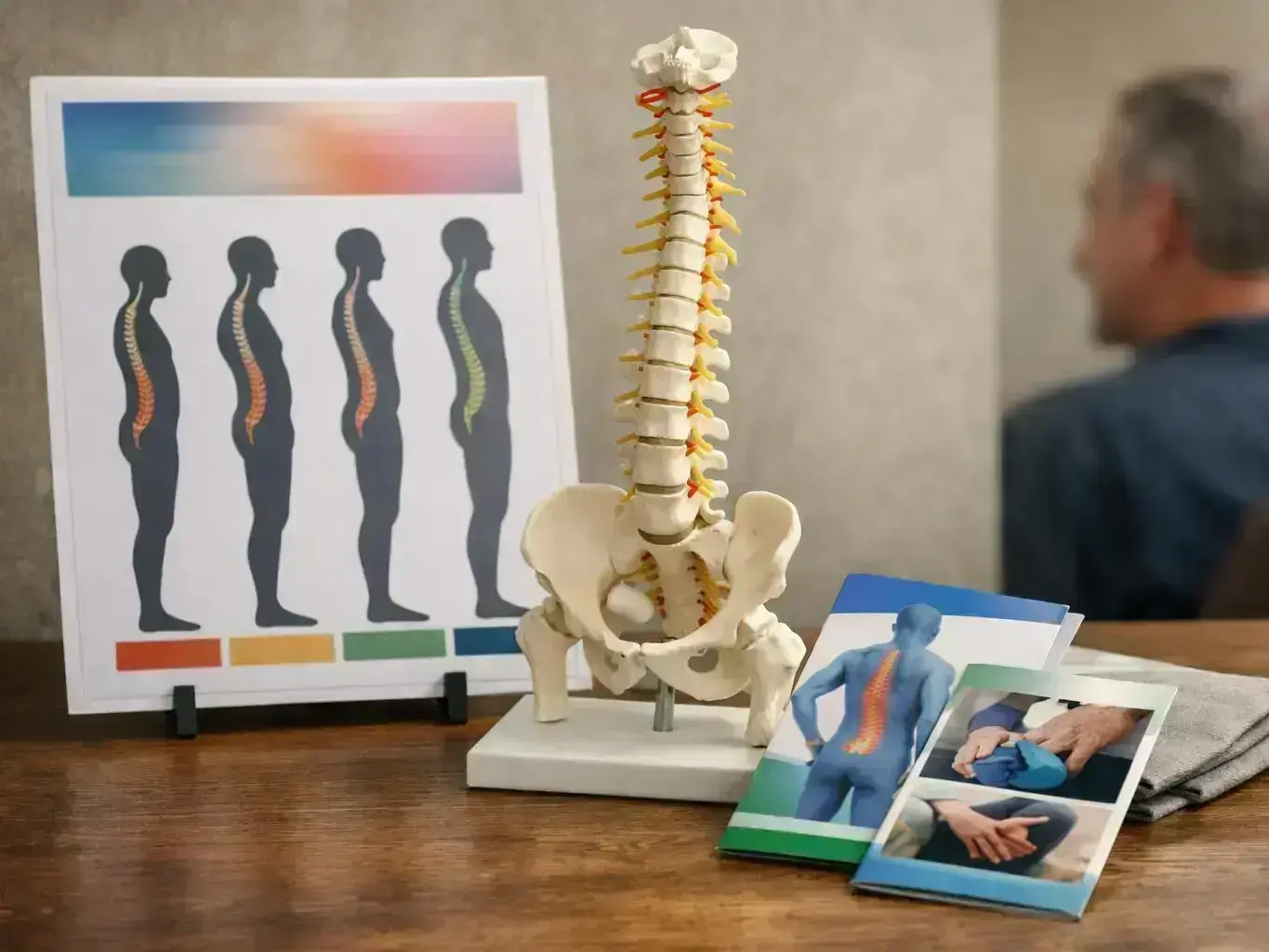
Understanding Nerve Compression

Nerve compression is a health problem. A nerve gets squeezed or pressed. This happens by parts near it.
Related glossary terms: Disc Herniation, Chiropractic, Spinal Manipulation.
Bones, muscles. Or tendons can press on nerves. They may swell or move out of place. Cartilage can also cause this.
A squeezed nerve can't work right. It may cause pain, tingling. Or numbness. Muscles might feel weak.
This problem often starts slow. But it can happen fast after an injury. A slipped disc can press on a nerve.
This can cause pain down the leg. Doctors call this sciatica.
Nerve compression can happen anywhere. It's common where nerves go through tight spaces.
The spine, wrists. And elbows are common spots. Carpal tunnel is one example. Cubital tunnel is another.
Bad posture can cause this. So can doing the same motion over and over. Being overweight can raise the risk.
Pregnancy or arthritis can too. Muscle soreness goes away with rest. But nerve problems often don't.
Without treatment, they may get worse. This can cause lasting nerve damage.
How Nerve Compression Works?
Nerves work like wires. They carry signals from the brain. They tell the body what to do.
When a nerve is pressed, signals get mixed up. It's like stepping on a hose. Water can't flow right.
This can cause strange feelings. You might feel pins and needles. Or burning pain.
You might feel electric shocks. Over time, the nerve can get hurt. Its cover can get damaged.
The cover is called the myelin sheath. This can make muscles weak. You might lose control of them.
Doctors check for nerve problems. They ask about your health. They do physical tests.
Some tests help find which nerve is hurt. Tinel’s sign is one test. Phalen’s test is another.
X-rays or MRIs can show problems. They can find bone spurs or slipped discs. These cause pressure.
EMG tests check nerve signals. They measure how nerves work. They show where the problem is.
Finding the problem early is key. It helps stop long-term damage. It helps pick the right treatment.
Why Nerve Compression Matters?
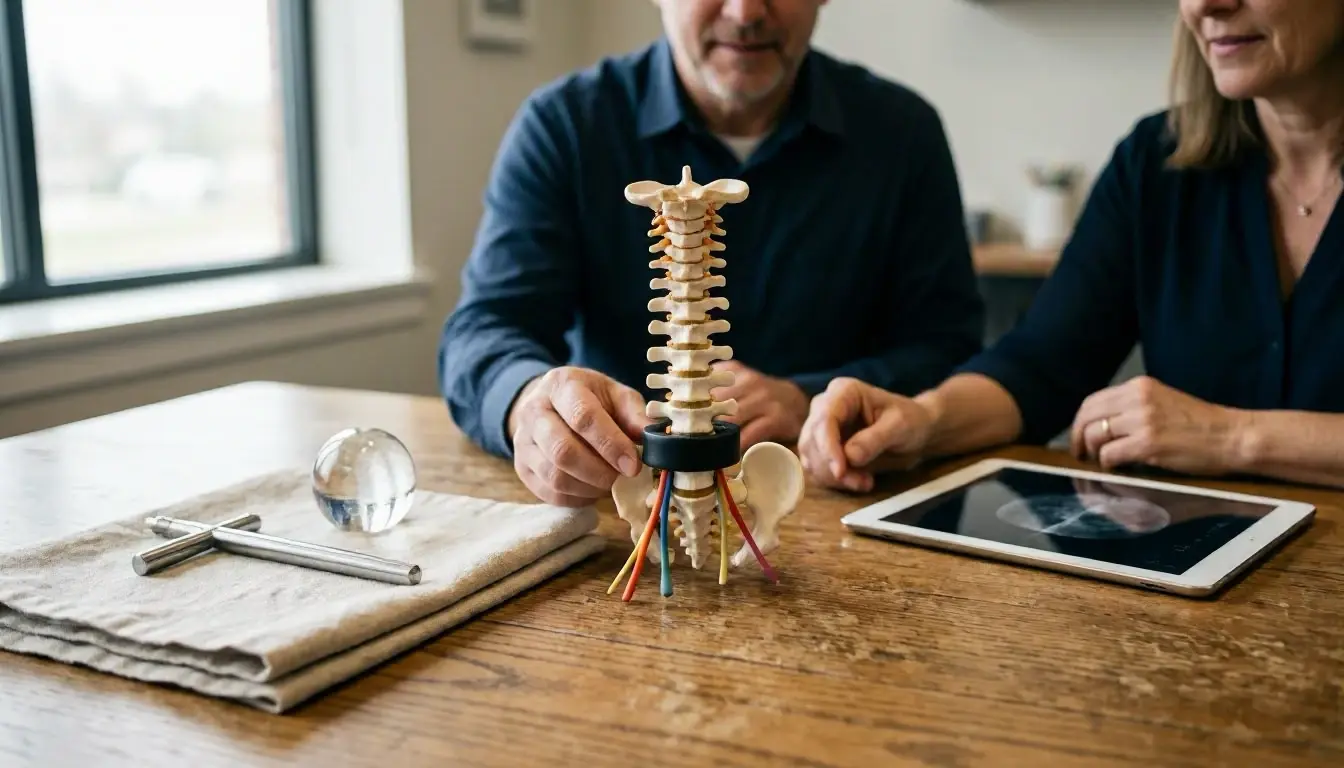
Nerve compression can make life hard. Simple tasks become tough. Typing or driving may hurt.
Holding things can be hard. Pain or numbness can keep you up. It can make work difficult.
It can stop you from being active. Without treatment, it can cause lasting harm. Muscles can waste away.
You might lose function. Carpal tunnel can weaken hands. You might not grip things well.
Nerve problems can affect your mind too. Pain can cause stress. It can make you anxious.
It can lead to sadness. Treating it early helps. It stops these problems too.
Many cases get better with simple care. Chiropractic care can help. So can physical therapy.
Changing habits can help too. Early care saves money. It's good for long-term health.
When Nerve Compression Matters Most?
Nerve compression matters when it hurts daily life. Symptoms may get worse over time.
Numb hands can make typing hard. Cooking or driving may be tough. This means you need help.
Athletes and workers are at risk. Jobs with repeated motions cause this. Typing is one example.
People with diabetes or arthritis need to watch. They get nerve problems more often. They should check for signs.
Ignoring symptoms can cause trouble. Motor nerves control muscles. Pressing them can cause harm.
Long pressure on a spine nerve can cause foot drop. The foot drags when you walk.
In McDonough, GA, many work hard. Many stay active. Early care keeps them moving.
It stops lasting disability. Chiropractors help a lot. They find and treat nerve problems.
They fix spine and joint issues. These often cause nerve compression.