Glossary

What is Flexion Distraction?

Flexion Distraction is a gentle, non-surgical chiropractic technique used to treat spinal conditions like disc herniations, sciatica. And back pain. It involves a specialized table that stretches and flexes the spine in a controlled rhythm, reducing pressure on spinal discs and nerves while improving mobility and relieving discomfort.

Reviewed by Dr. Harry W. Brown, D.C.Sources reviewed: American Chiropractic Association, Journal of Chiropractic Medicine

Quick Facts About Flexion Distraction

Category

Non-surgical spinal therapy

Used for

Disc herniations, sciatica, back pain, spinal stenosis

Common confusion

Often mistaken for general spinal manipulation or traction

Also called

Cox Technique, Flexion Distraction Therapy

Often discussed with

Chiropractic Consultation and Diagnosis, Car Accident Injury Rehabilitation

Key Takeaways About Flexion Distraction

Understanding Flexion Distraction

Flexion Distraction in Chiropractor—McDonough

Flexion Distraction is a way to help backs. It gently stretches the spine. This is different from fast chiropractic pushes.

Related glossary terms: Disc Herniation, Spinal Decompression, Chiropractic Adjustment.

It uses a special table. The table moves slow and steady. This creates space between back bones.

It eases pressure on discs and nerves. Discs are soft pads between bones. The method helps people with bad backs.

It works well for herniated discs. It also helps sciatica and long-term back pain. People heal without surgery or pills.

This method is safer for some. It works for those who can't handle hard pushes. The table lets the chiropractor focus on one spot.

The patient stays relaxed. The spine gets flexed and stretched. This helps movement and cuts swelling.

It boosts blood flow to hurt areas. Often, other treatments are added. These can be massages or exercises.

How Flexion Distraction Works?

Flexion Distraction uses a special table. The table bends (flexion) and pulls (distraction). These are the two main moves.

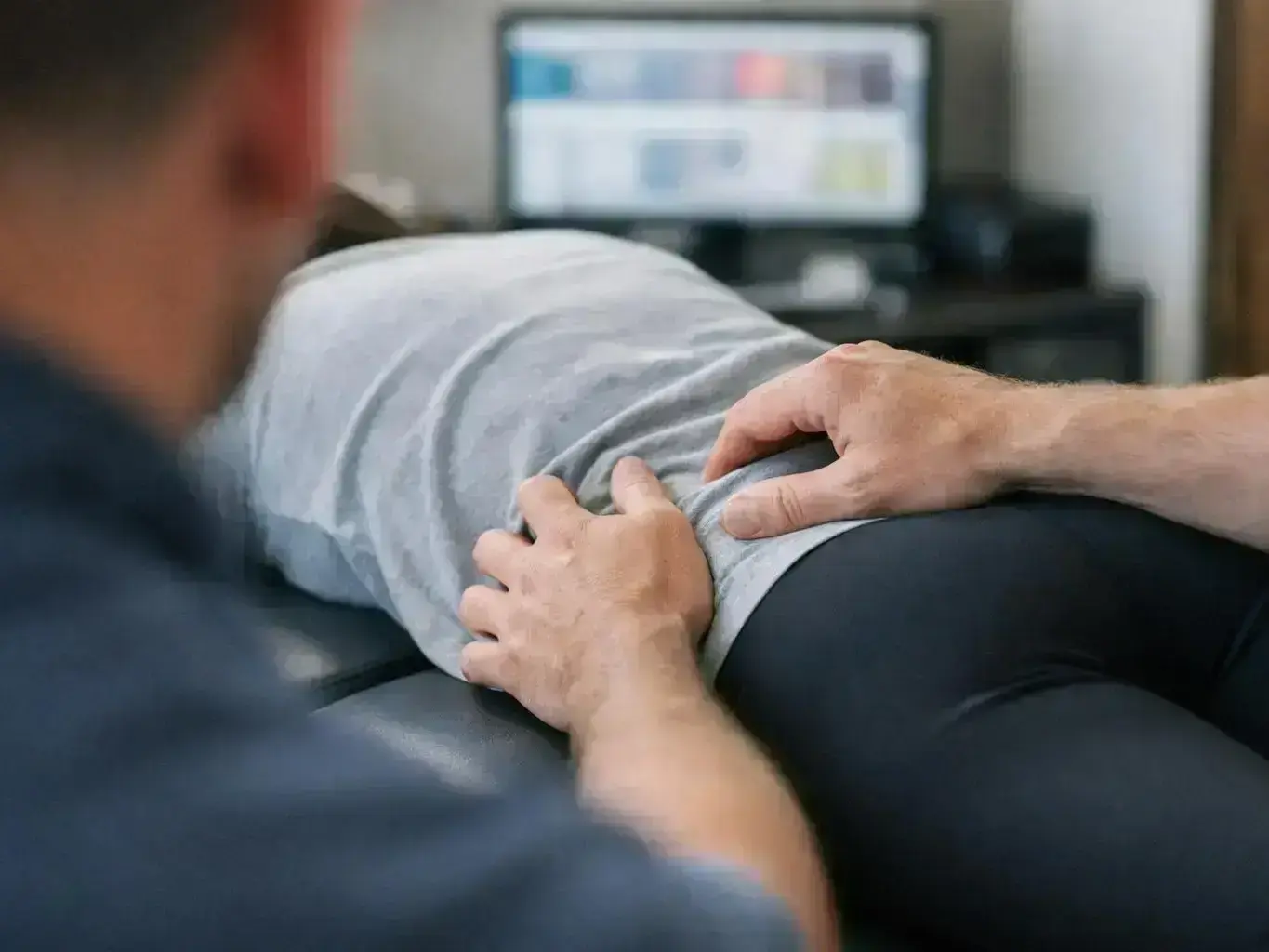
The patient lies face down. The table has parts that move alone. The chiropractor holds the lower body still.

The top part bends and pulls. This targets the sore spot. The table moves in a steady rhythm.

This rhythm helps discs. It acts like a pump. It draws water back into discs.

It also pulls herniated parts back. This eases nerve pressure. Pain, numbness. Or tingling can fade.

Each visit lasts 10 to 15 minutes. The chiropractor changes the moves. They check how the patient feels.

This is not like static traction. That just pulls. Flexion Distraction moves. This helps the spine move better.

The moves also relax muscles. This cuts tension. People feel less pain.

Patients say it feels like a stretch. Some call it a massage. It doesn't feel sharp or sudden.

It's gentle. So it works for many people. This includes older adults or those hurt badly.

The chiropractor may add pressure. They might use soft tissue work. This makes the table work better.

Why Flexion Distraction Matters?

Flexion Distraction helps backs without surgery. It cuts the need for pills. This is important for some patients.

It eases pain from herniated discs. It also helps sciatica. It fixes the cause, not just the pain.

It improves spine movement. It cuts swelling. People can move easier and hurt less.

This method is good for those who can't handle hard pushes. It works for people with weak bones. It helps those with arthritis or new injuries.

It's gentle and safe. It won't cause more harm. It still helps healing.

It works with other treatments. This makes it useful for full spine care.

It helps move from rest to activity. It bridges pills and exercise. This is key for many patients.

When Flexion Distraction Matters Most?

Flexion Distraction helps with disc problems. It also helps pinched nerves. It works for many back issues.

It's used for herniated discs. It helps bulging discs too. It eases sciatica pain.

It works for spinal stenosis. That's when nerves get squeezed. It helps long-term back pain.

It helps after injuries. This includes car crashes or falls. It fixes discs that moved out of place.

It works when pills or usual fixes don't. People with pain in arms or legs may benefit.

That pain often means nerves are hurt. The method isn't for muscle strains.

A chiropractor checks first. They do exams and ask about health. They may use X-rays or MRIs.

These pictures show the spine. They help pick the best treatment. In McDonough, GA, many need this help.

People there work hard or play sports. This can stress the spine.

  • Herniated or bulging discs that hurt backs or legs.
  • Sciatica with numbness, tingling. Or weak legs.
  • Spinal stenosis, when nerves get squeezed.
  • Back pain that won't go away with other fixes.
  • Healing after a crash, fall. Or other injury.

How to Evaluate Flexion Distraction?

Related Concepts Compared

Flexion Distraction vs. Spinal Decompression

Spinal Decompression uses a static pull to stretch the spine. While Flexion Distraction involves rhythmic bending and stretching for active motion.

Flexion Distraction vs. Chiropractic Adjustment

Chiropractic Adjustments use quick thrusts to realign joints. While Flexion Distraction focuses on gentle stretching and disc decompression.

Flexion Distraction vs. Traction Therapy

Traction Therapy applies a constant pulling force. While Flexion Distraction combines flexion and distraction for dynamic spinal movement.

Expert Note

Flexion Distraction is not a one-size-fits-all solution. The technique’s effectiveness depends on precise table adjustments and patient-specific movements. A skilled chiropractor will tailor each session to the patient’s condition, ensuring the spine is stretched safely and effectively without overloading sensitive areas.

Common Mistakes or Myths About Flexion Distraction

  • Assuming Flexion Distraction is the same as traditional spinal adjustments.
  • Expecting immediate results after one session instead of a full treatment plan.
  • Using the technique for muscle strains or joint issues unrelated to spinal discs.
  • Choosing a provider without specialized training in Flexion Distraction techniques.

Flexion Distraction in Practice: A Real-World Example

A 45-year-old construction worker in McDonough, GA, develops sciatica after lifting heavy materials. His chiropractor recommends Flexion Distraction to reduce pressure on the affected disc. After six sessions, his leg pain decreases. And he regains mobility, allowing him to return to work with fewer limitations.

Related Services

Related Terms

Disc Herniation

Disc Herniation is a spinal condition where the soft inner gel of a spinal disc leaks through a tear in the tougher outer layer, often pressing on nearby nerves. This can cause pain, numbness. Or weakness in the back, legs. Or arms, depending on the disc’s location along the spine.

Spinal Decompression

Spinal Decompression is a non-surgical treatment designed to relieve pressure on the spine and spinal nerves. It involves gently stretching the spine using a motorized table or device to create negative pressure within spinal discs, which can help herniated or bulging discs retract and promote healing by allowing oxygen, water. And nutrients to flow into the discs.

Chiropractic Adjustment

Chiropractic Adjustment is a hands-on procedure chiropractors use to apply controlled force to a joint in the spine or other part of the body. The goal is to improve spinal motion, reduce nerve irritation. And help the body function better. Adjustments are often done to ease back pain, neck pain, headaches.

Soft Tissue Therapy

Soft Tissue Therapy is a hands-on treatment method that targets muscles, tendons, ligaments. And fascia to reduce pain, improve mobility. And speed recovery. Soft Tissue Therapy uses techniques like massage, stretching. And pressure to break up scar tissue, increase blood flow.

Arrowhead Clinic Chiropractor

Have Questions About Flexion Distraction?

Contact Arrowhead Clinic Chiropractor for practical guidance on Flexion Distraction and related chiropractor work in McDonough.

+1 770-637-6261