Glossary

What is Soft Tissue Therapy?

Soft Tissue Therapy is a hands-on treatment that targets muscles, tendons, ligaments. And fascia to reduce pain, improve mobility. And promote healing. Soft Tissue Therapy uses techniques like massage, stretching. And pressure to break up scar tissue, ease tension. And restore normal function without surgery or medication.

Reviewed by ChiropractorMcDonough.comSources reviewed: American Chiropractic Association, National Institutes of Health - Soft Tissue Injuries

Quick Facts About Soft Tissue Therapy

Category

Manual therapy

Used for

Pain relief, injury recovery. And mobility improvement

Common confusion

Often mistaken for deep tissue massage alone

Also called

Soft Tissue Mobilization, Myofascial Therapy

Often discussed with

Chiropractic Consultation and Diagnosis, Whiplash Injury Treatment

Key Takeaways About Soft Tissue Therapy

Understanding Soft Tissue Therapy
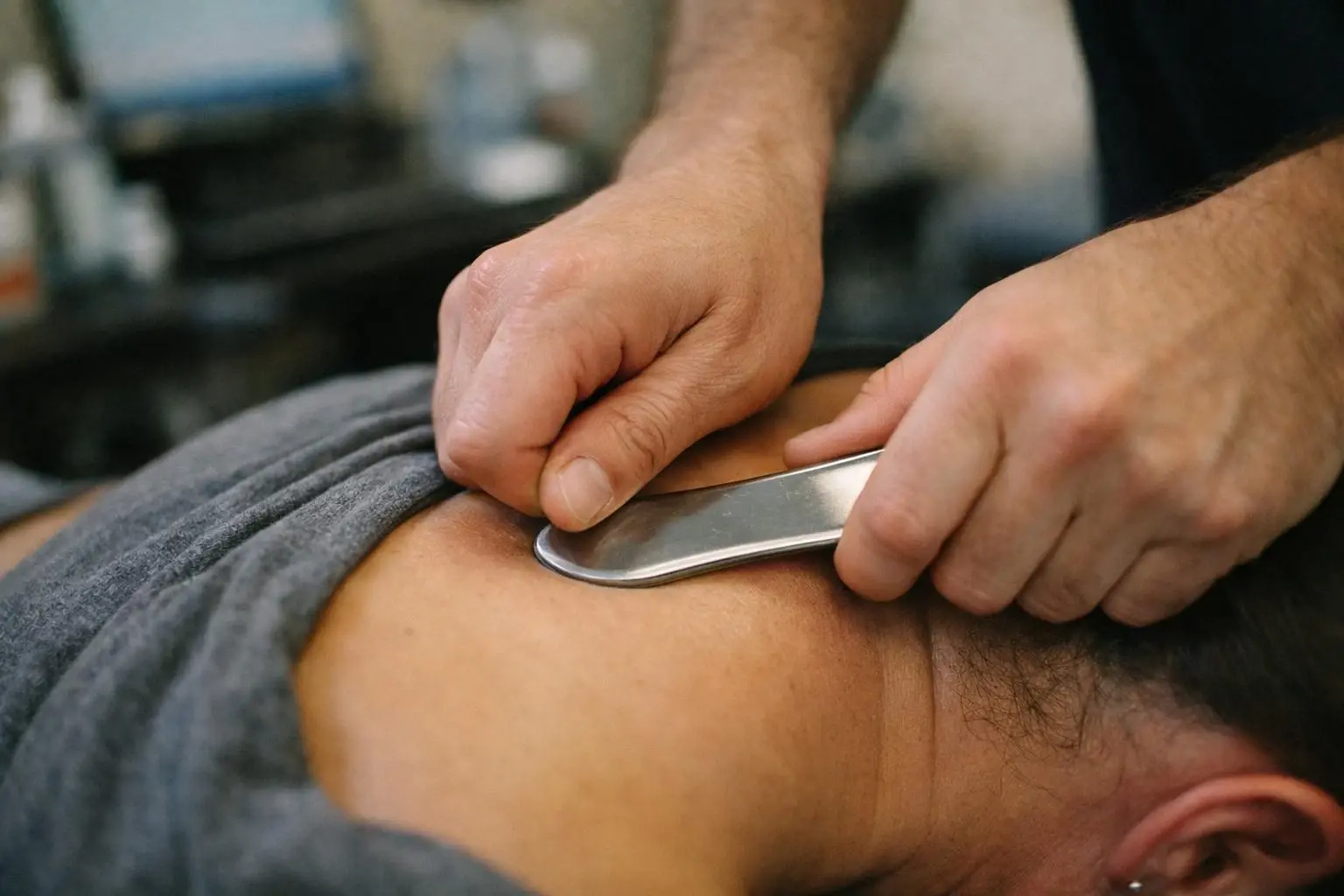
Soft Tissue Therapy in Chiropractor: Soft Tissue Therapy is a hands-on treatment that targets muscles, tendons, ligaments—...

Soft Tissue Therapy helps the body’s soft parts. These are muscles, tendons, ligaments. And fascia (a thin layer under skin).

Related glossary terms: Chiropractic, Myofascial Release, Trigger Point Therapy.

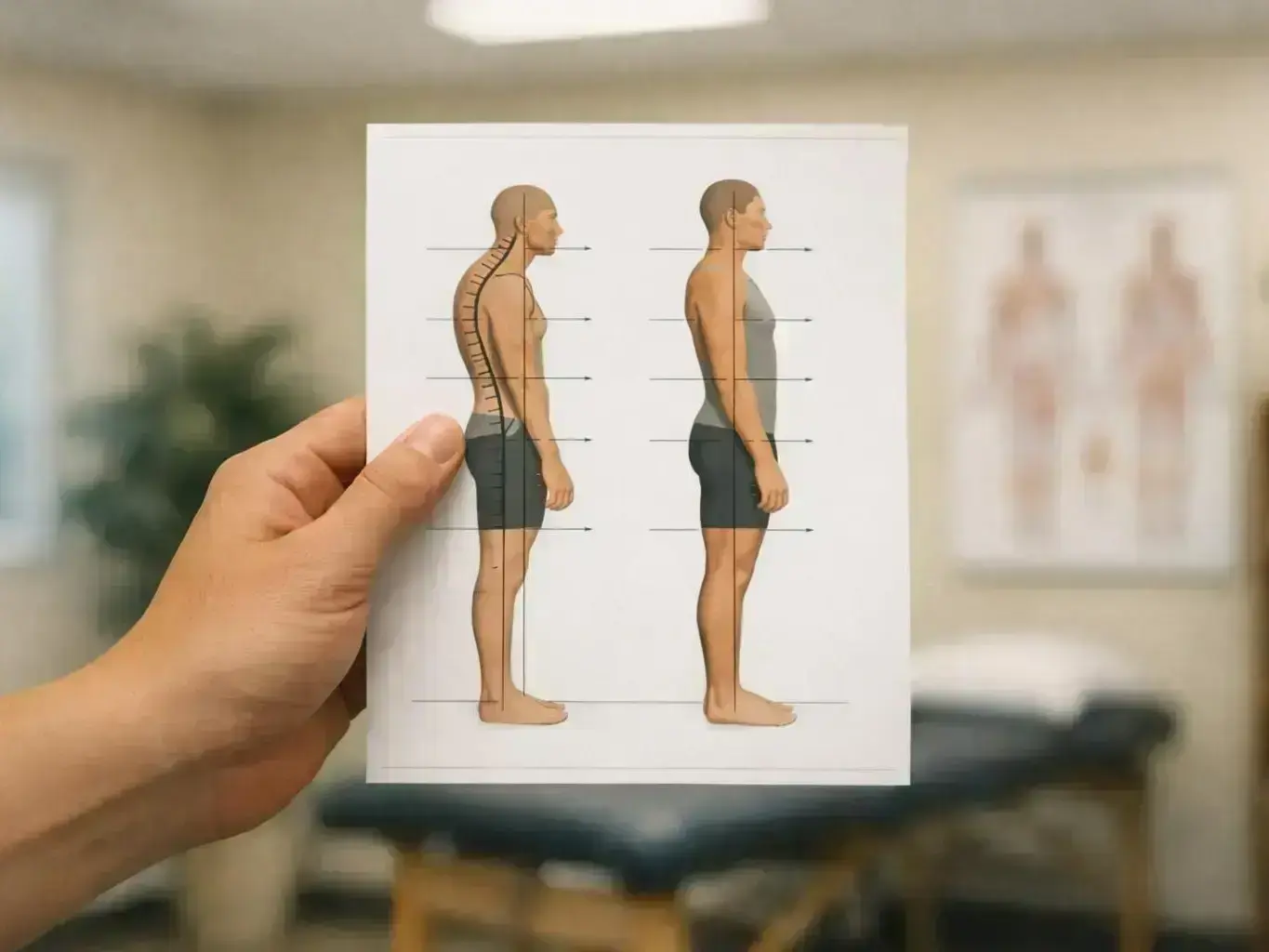
These parts can get tight or hurt. This happens from injury, overuse. Or bad posture. When they don’t work right, they cause pain. They also limit movement and slow healing.

Soft Tissue Therapy fixes this. It uses pressure, stretching. And hands-on methods. The goal is to make tissues work normally again.

It treats muscles and connective parts. These support bones and joints. This makes it good with chiropractic care (bone treatment) and sports medicine.

A stiff neck from sitting too long is one example. Soft Tissue Therapy can loosen tight muscles. This helps before or after a chiropractor fixes your spine.

How Soft Tissue Therapy Works?

Soft Tissue Therapy helps blood flow better. It cuts down swelling. It also breaks up adhesions (spots where tissues stick wrong).

Therapists use special methods. These include myofascial release (gentle stretching) and trigger point therapy (pressing sore spots). They also use deep tissue massage.

During a session, the therapist presses certain areas. They use hands, fingers. Or tools. This helps tight muscles relax and stretch.

Some methods are gentle. Others use deep pressure. The goal is to reach tissues underneath. The therapist may guide you through stretches too.

This helps the body heal itself. For example, a sprained ankle can heal faster. Therapy cuts swelling and helps you move better.

Why Soft Tissue Therapy Matters?

How Soft Tissue Therapy applies to Chiropractor services in McDonough, United States—practical illustration

Soft Tissue Therapy fixes the real cause of pain. It doesn’t just hide symptoms. Many people have tight muscles or old scars. These cause lasting pain.

Therapy breaks up these problem spots. This helps your body move naturally. It also helps you heal better. It’s non-invasive (no surgery or drugs). This appeals to people who want natural healing.

It works well with other treatments. For example, chiropractic care helps more if muscles are loose. Athletes and office workers use it too. It keeps them flexible and prevents injuries.

It also speeds up recovery. Therapy cuts stress by relaxing muscles. It helps blood flow better too.

When Soft Tissue Therapy Matters Most?

Soft Tissue Therapy helps when muscles or tendons hurt. It’s good for limited movement too. It works for sports injuries, back pain. Or stiffness from typing.

Car accidents often hurt soft tissues. Whiplash is one example. Therapy can help heal this damage.

After surgery or long rest, muscles get tight. Therapy helps them move again. It makes daily tasks easier.

Some conditions need targeted therapy. These include sciatica (leg nerve pain), plantar fasciitis (foot pain). And tension headaches. Therapy can bring relief for these too.


How to Evaluate Soft Tissue Therapy?

Related Concepts Compared

Soft Tissue Therapy vs. Deep Tissue Massage

Deep Tissue Massage focuses on relieving tension in deeper muscle layers. While Soft Tissue Therapy includes a broader range of techniques like stretching and myofascial release.

Soft Tissue Therapy vs. Chiropractic Adjustment

Chiropractic Adjustment targets joints and bones. While Soft Tissue Therapy focuses on muscles, tendons. And ligaments.

Soft Tissue Therapy vs. Physical Therapy

Physical Therapy often includes exercises and rehabilitation plans. While Soft Tissue Therapy primarily uses hands-on techniques to address tissue issues.

Expert Note

Soft Tissue Therapy is most effective when tailored to the individual’s specific needs. A skilled therapist will assess tissue quality, movement patterns. And pain triggers to customize the approach, ensuring better outcomes than generic massage alone.

Common Mistakes or Myths About Soft Tissue Therapy

  • Assuming Soft Tissue Therapy is the same as regular massage—it includes more techniques and goals.
  • Expecting immediate results after one session—healing often takes multiple visits.
  • Ignoring mild soreness after treatment, which is normal but should not be severe.
  • Choosing a therapist without proper training or credentials.

Soft Tissue Therapy in Practice: A Real-World Example

After a minor car accident, a patient in McDonough, GA, developed neck stiffness and headaches. Their chiropractor recommended Soft Tissue Therapy to release tight muscles in the neck and shoulders. After a few sessions, the patient reported less pain and improved range of motion, making daily activities easier.

Sources & Further Reading on Soft Tissue Therapy

Related Services

Related Terms

Chiropractic

Chiropractic is a healthcare profession focused on diagnosing and treating musculoskeletal disorders, particularly those related to the spine. Chiropractors use hands-on spinal manipulation and other alternative treatments to align the body's musculoskeletal structure, enabling the body to heal itself without surgery or medication. Chiropractic care primarily addresses back pain, neck pain, joint pain. And headaches.

Myofascial Release

Myofascial Release is a hands-on therapy that gently stretches and loosens tight fascia, the thin layer of tissue covering muscles, bones. And organs. This technique helps reduce pain, improve movement. And restore normal function by releasing tension in the fascia caused by injury, stress. Or poor posture.

Trigger Point Therapy

Trigger Point Therapy is a manual treatment method that targets tight knots in muscles, called trigger points, which cause pain and restrict movement. These knots form when muscle fibers become overworked or injured and fail to relax. The therapy involves applying focused pressure to these points to release tension, improve blood flow. And reduce pain, often providing relief for conditions like headaches, back pain.

Manual Therapy

Manual Therapy is a hands-on clinical approach used by chiropractors, physical therapists. And other healthcare providers to diagnose and treat musculoskeletal conditions. Manual Therapy includes techniques like joint mobilization, soft tissue manipulation, stretching. And spinal adjustments to reduce pain, improve mobility. And restore function without surgery or medication.

Muscle Stimulation

Muscle Stimulation is a therapeutic technique that uses controlled electrical impulses to cause muscles to contract and relax. This process helps reduce pain, improve circulation, decrease inflammation. And promote healing in injured or overworked muscles. It's often used alongside chiropractic care to support recovery and enhance treatment outcomes.

ChiropractorMcDonough.com

Have Questions About Soft Tissue Therapy?

Contact ChiropractorMcDonough.com for practical guidance on Soft Tissue Therapy and related chiropractor work in McDonough.

+1 770-637-6261