Glossary

What is Trigger Point Therapy?

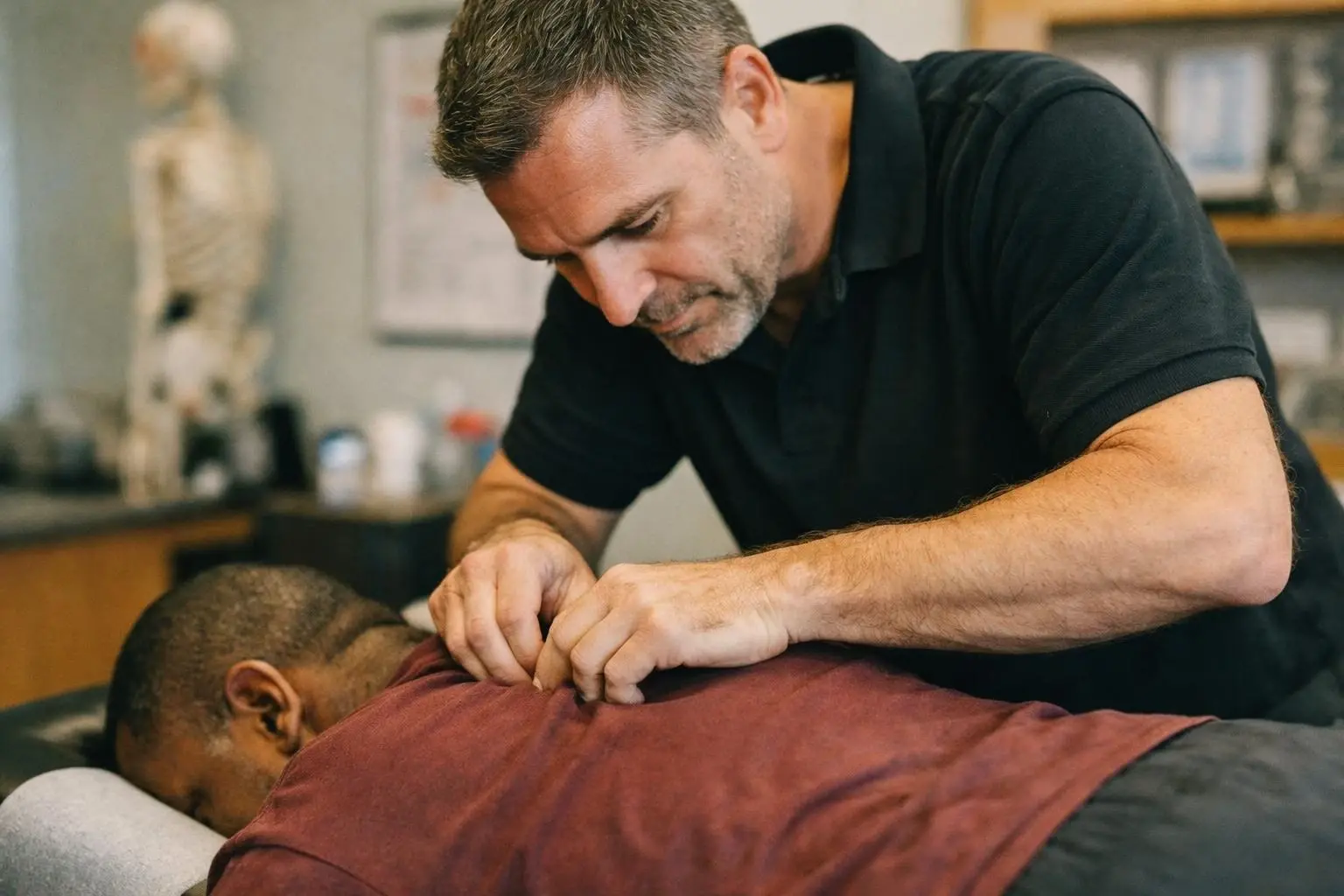
Trigger Point Therapy is a manual treatment method used to relieve pain caused by tight knots in muscles, called trigger points. These knots can cause localized pain or refer pain to other areas of the body. The therapy involves applying pressure to the trigger points to release tension, improve blood flow. And restore normal muscle function. It is often used alongside chiropractic care to address soft tissue issues.

Reviewed by Dr. Harry W. Brown, D.C.Sources reviewed: American Chiropractic Association, National Institutes of Health - Trigger Points

Quick Facts About Trigger Point Therapy

Category

Soft tissue therapy

Used for

Muscle pain, stiffness. And referred pain

Common confusion

Often mistaken for massage. But focuses on specific knots

Also called

Trigger Point Treatment, Myofascial Trigger Point Therapy

Often discussed with

Chiropractic Consultation and Diagnosis, Sports Injury Chiropractic Care

Key Takeaways About Trigger Point Therapy

Understanding Trigger Point Therapy

Trigger Point Therapy in Chiropractor—McDonough

Trigger Point Therapy is a specialized technique designed to address pain originating from tight bands or knots in muscles, known as trigger points. These knots can develop due to overuse, injury, poor posture. Or stress, leading to discomfort that may be felt directly at the knot or referred to other parts of the body. For example, a trigger point in the shoulder might cause headaches or pain down the arm. The therapy focuses on identifying and treating these specific points to alleviate pain and restore normal muscle function.

Related glossary terms: Soft Tissue Therapy, Chiropractic Care, Muscle Strain.

Unlike general massage, which works on broader muscle groups, Trigger Point Therapy targets precise areas of tension. It's based on the idea that releasing these knots can improve circulation, reduce inflammation. And help muscles return to their natural state. This approach is particularly useful for individuals experiencing chronic pain, stiffness. Or limited mobility, as it addresses the root cause of discomfort rather than just masking symptoms.

How Trigger Point Therapy Works?

Trigger Point Therapy typically involves applying direct pressure to the identified trigger points using fingers, knuckles. Or specialized tools. The pressure is maintained for several seconds or until the muscle relaxes, which may cause temporary discomfort but often leads to immediate relief. The process may be repeated multiple times during a session to ensure the knot is fully released. Some practitioners also incorporate stretching or range-of-motion exercises to boost the effects of the therapy.

The mechanism behind Trigger Point Therapy is rooted in the idea that muscle knots restrict blood flow and compress nerves, leading to pain and dysfunction. By applying pressure, the therapy helps break the cycle of tension, allowing blood and oxygen to flow more freely. This promotes healing and reduces pain signals sent to the brain. Over time, consistent therapy can help prevent trigger points from reforming, leading to long-term relief.

Why Trigger Point Therapy Matters?

Trigger Point Therapy is a valuable tool for managing pain without relying on medication or invasive procedures. It offers a natural, drug-free approach to addressing muscle-related discomfort, making it a preferred option for individuals seeking complete care. The therapy is particularly beneficial for those dealing with conditions like tension headaches, back pain, neck stiffness. And repetitive strain injuries, as it directly targets the source of the problem rather than just treating symptoms.

And Trigger Point Therapy can complement other treatments, such as chiropractic adjustments or physical therapy. By releasing muscle tension, it can boost the effectiveness of these therapies, leading to faster recovery and improved overall function. For athletes or individuals with active lifestyles, the therapy can also help prevent injuries by keeping muscles flexible and resilient.

When Trigger Point Therapy Matters Most?

Trigger Point Therapy is most beneficial for individuals experiencing persistent muscle pain, stiffness. Or limited range of motion. It is especially useful for those who have not found relief through traditional massage or stretching alone. Common scenarios where this therapy can make a difference include recovering from injuries, managing chronic conditions like fibromyalgia. Or addressing pain caused by poor posture or repetitive movements, such as sitting at a desk for long hours.

In McDonough, GA, where many residents lead active lifestyles or work in physically demanding jobs, Trigger Point Therapy can play a key role in maintaining musculoskeletal health. Whether dealing with sports injuries, work-related strain. Or everyday aches, this therapy offers a targeted solution to help individuals stay pain-free and mobile. It is also a useful option for those recovering from accidents or surgeries, as it can aid in restoring muscle function and reducing scar tissue formation.

How to Evaluate Trigger Point Therapy?

Related Concepts Compared

Trigger Point Therapy vs. Massage Therapy

Massage Therapy works on broader muscle groups to promote relaxation. While Trigger Point Therapy targets specific knots to relieve pain.

Trigger Point Therapy vs. Chiropractic Adjustment

Chiropractic Adjustments focus on spinal alignment, whereas Trigger Point Therapy addresses muscle tension and soft tissue issues.

Trigger Point Therapy vs. Acupuncture

Acupuncture uses needles to stimulate points along energy pathways. While Trigger Point Therapy applies pressure to muscle knots.

Expert Note

Trigger Point Therapy is most effective when combined with corrective exercises and posture awareness. Simply releasing knots without addressing underlying habits can lead to temporary relief. So a holistic approach is key.

Common Mistakes or Myths About Trigger Point Therapy

  • Assuming Trigger Point Therapy is the same as a general massage.
  • Expecting instant, permanent relief after one session without follow-up care.
  • Ignoring the importance of stretching or exercises to maintain results.
  • Believing trigger points are the only cause of pain without considering other factors.
  • Choosing a practitioner who does not specialize in identifying trigger points.

Trigger Point Therapy in Practice: A Real-World Example

A patient experiencing chronic headaches finds relief after Trigger Point Therapy targets knots in their neck and shoulders. The pressure applied to these trigger points reduces tension, allowing muscles to relax and pain to subside. Follow-up stretches help maintain the results, preventing headaches from returning.

Sources & Further Reading on Trigger Point Therapy

Related Services

Related Terms

Soft Tissue Therapy

Soft Tissue Therapy is a hands-on treatment method that targets muscles, tendons, ligaments. And fascia to reduce pain, improve mobility. And speed recovery. Soft Tissue Therapy uses techniques like massage, stretching. And pressure to break up scar tissue, increase blood flow.

Chiropractic Care

Chiropractic Care is a health care profession focused on diagnosing and treating musculoskeletal disorders, especially those related to the spine. Chiropractic Care uses hands-on spinal manipulation and other non-surgical techniques to improve alignment, reduce pain. And support the body’s natural ability to heal. It's often used for back pain, neck pain, headaches.

Muscle Strain

Muscle Strain is an injury that occurs when muscle fibers stretch or tear due to overexertion, sudden movement. Or improper use. It often causes pain, swelling. And limited movement in the affected area. Muscle strains commonly affect the back, neck, shoulders. And legs. And can range from mild discomfort to severe damage requiring medical attention.

Neuromuscular Re-education

Neuromuscular Re-education is a therapeutic technique designed to restore normal movement patterns by retraining the connection between nerves and muscles. It helps patients regain strength, coordination. And balance after injuries, surgeries. Or conditions that disrupt muscle function. This process often combines guided exercises, manual therapy. And sensory feedback to improve muscle memory and reduce dysfunction.

Posture Correction

Posture Correction is the process of identifying and adjusting misaligned body positions to improve spinal health, reduce pain. And enhance overall movement. It involves exercises, ergonomic adjustments. And sometimes chiropractic care to retrain muscles and joints into proper alignment. Good posture supports breathing, digestion.

Arrowhead Clinic Chiropractor

Have Questions About Trigger Point Therapy?

Contact Arrowhead Clinic Chiropractor for practical guidance on Trigger Point Therapy and related chiropractor work in McDonough.

+1 770-637-6261