Understanding Manual Therapy
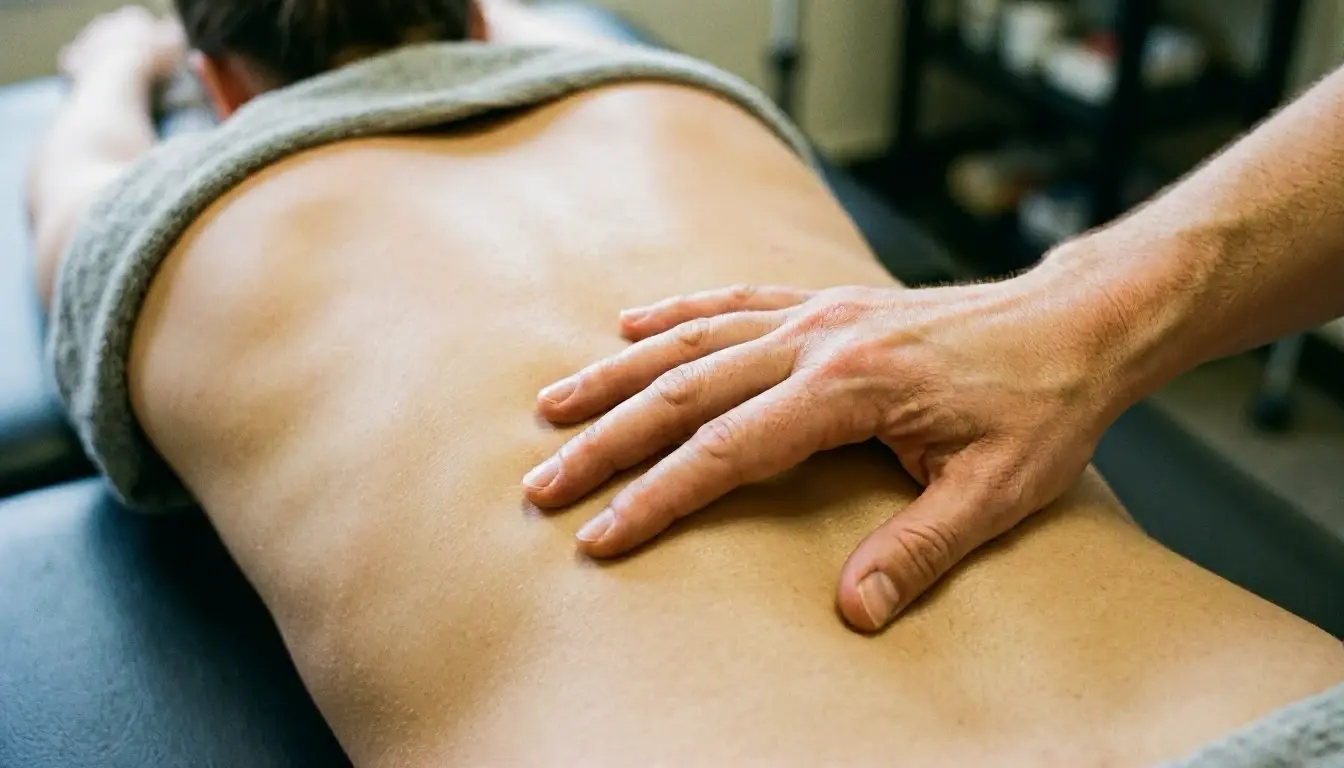
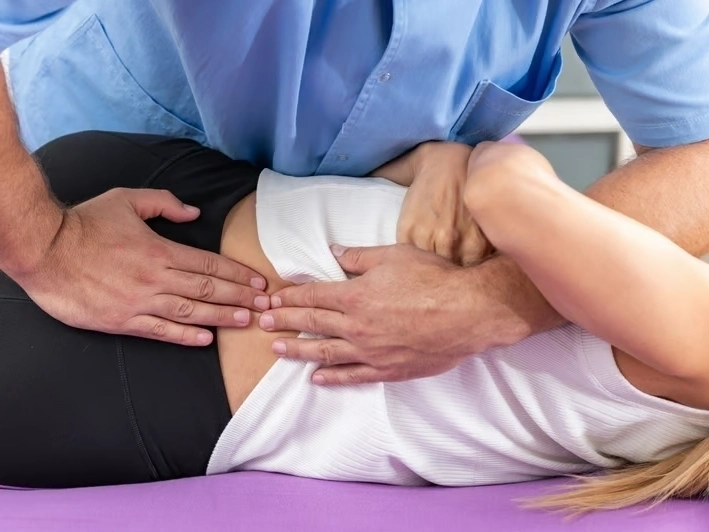
Manual Therapy is a special kind of treatment. A trained provider uses their hands to press and move parts of your body.
Related glossary terms: Chiropractic Adjustment, Soft Tissue Therapy, Joint Dysfunction.
The goal is to find and fix problems. These can be in muscles, joints, nerves. Or tissues that connect them.
It's not like massage. Massage mostly helps muscles relax. Manual Therapy fixes specific problems.
These problems can be stiff joints or tight muscles. They can also be nerves that feel sore.
It's used in chiropractic care (bone doctors) and physical therapy. It helps people heal from injuries.
It also helps with long-term pain. It makes moving easier.
Manual Therapy works best when joints move right. Muscles should be balanced too.
When joints get stuck, it can hurt. Muscles can get too tight. This causes pain and swelling.
It can also make moving hard. Providers use their hands to fix this.
They help joints move like they should. They make muscles less tight. This eases pain.
This treatment is often used with other things. These can be exercises or posture tips.
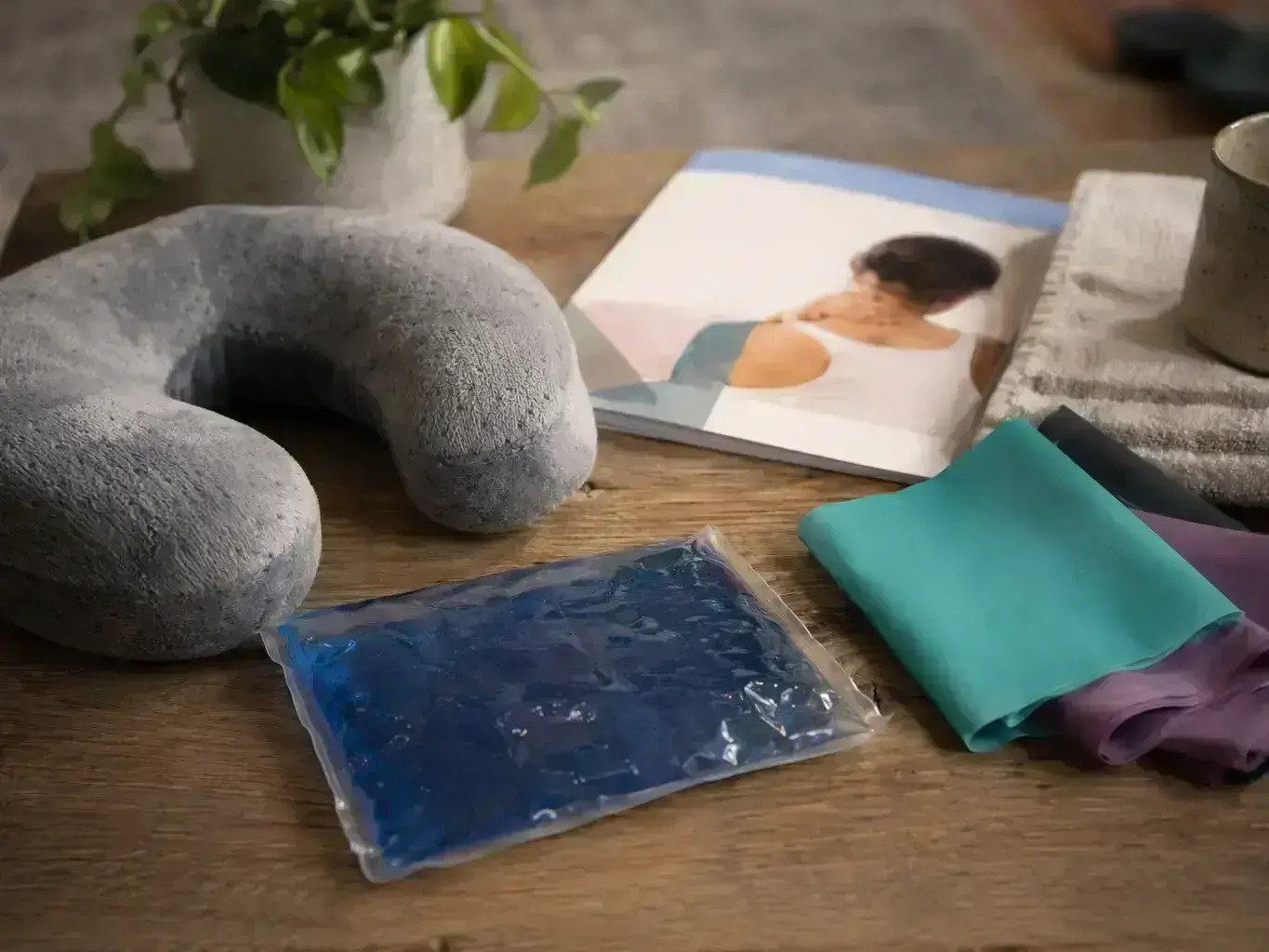
Heat or ice can also help. These all work together for healing.
How Manual Therapy Works?
Manual Therapy works by pushing and pulling gently on the body. It helps bones and muscles work better.
The techniques change based on the person. They also change based on the provider's training.
One method is joint mobilization (gentle joint moves). It helps joints move freely again.
Another is soft tissue work. It loosens tight muscles and fascia (body tissue).
Spinal adjustments help too. They line up the spine. This helps nerves work better.
Each method fits the person's needs. The provider changes it as they work.
First, the provider checks the body. They look at joint movement and muscle tightness.
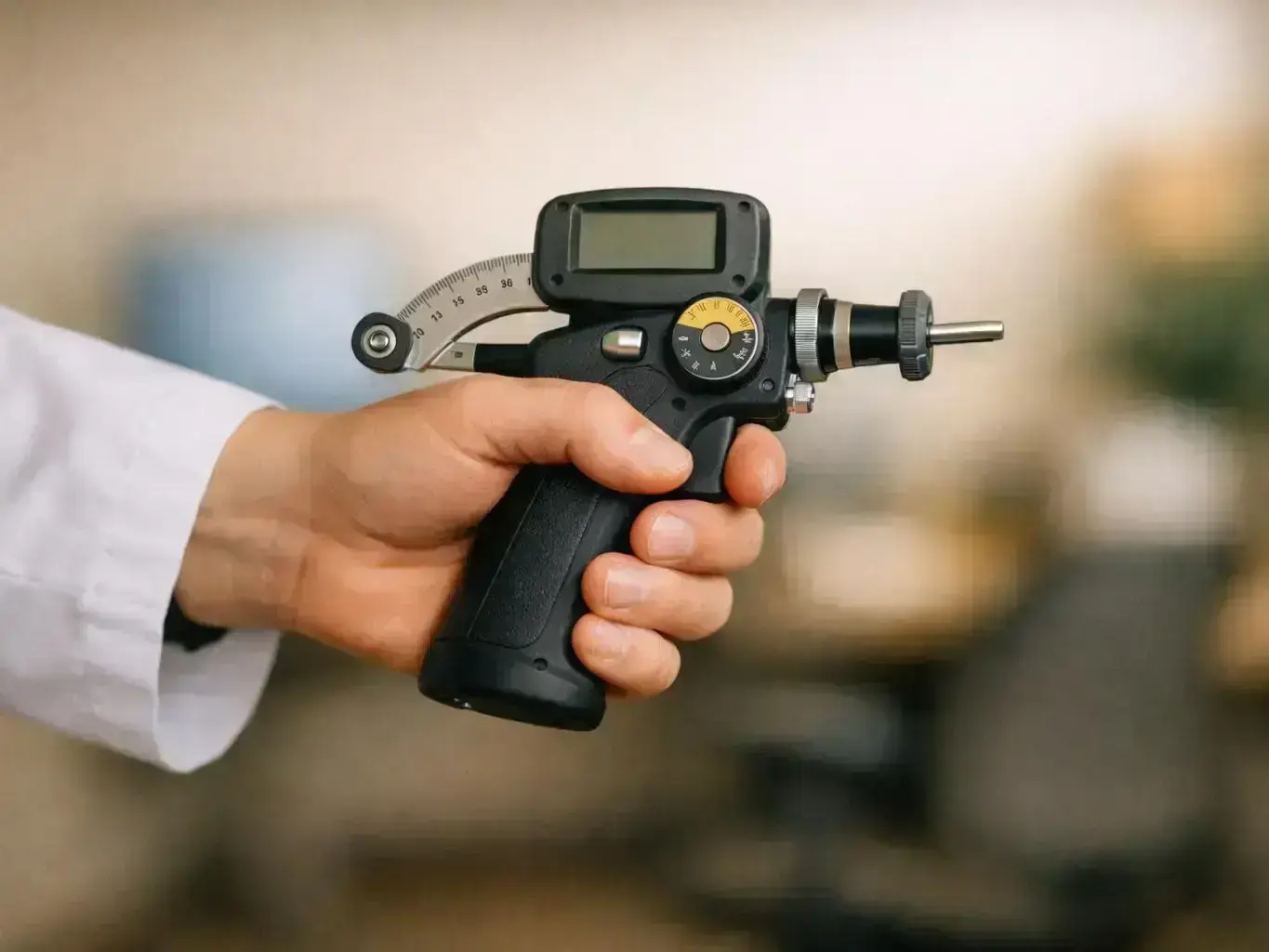
They also check for pain. They may do special tests to find problems.
Then they pick the best method. For a stiff shoulder, they might move the joint.
This helps it glide and turn better. If muscles are tight, they might press on them.
This is called myofascial release (muscle tissue work). It helps blood flow better.
They might also use trigger point therapy. This eases tight spots in muscles.
Manual Therapy isn't the same for everyone. Providers think about age and health.
They also think about how bad the problem is. Some people feel better right away.
Others need more visits. The provider may give exercises to do at home.
This helps keep the benefits between visits.
Why Manual Therapy Matters?
Manual Therapy matters because it helps without drugs or surgery. Many people like this.
It helps with back pain, neck pain. And headaches. It also helps with stiff joints.
These problems can make daily life hard. Manual Therapy finds the real cause.
It fixes joint problems or muscle issues. This helps people move better.
It also cuts down on pain pills. People don't need risky surgeries.
Manual Therapy works well with other treatments. Someone with a sports injury might use it.
It eases pain and helps joints move. They might also do exercises to get stronger.
People with long-term problems like arthritis use it too. It helps them stay active.
It also manages pain better. Each person gets a plan that fits them.
It can help with healing. It can also help people do better in sports.
When Manual Therapy Matters Most?
Manual Therapy helps most when pain or stiffness is bad. It also helps when moving is hard.
It's often used after injuries. These can be sprains, strains. Or whiplash.
It helps the body heal right. It lowers the chance of long-term problems.
People with arthritis or repeated injuries use it too. It helps over time.
It also helps after surgery. Like joint replacements or spine procedures.
It aids healing and helps people move normally again.
Manual Therapy can stop problems before they start. Athletes or hard workers might use it.
It fixes small issues before they get big. People with desk jobs might use it too.
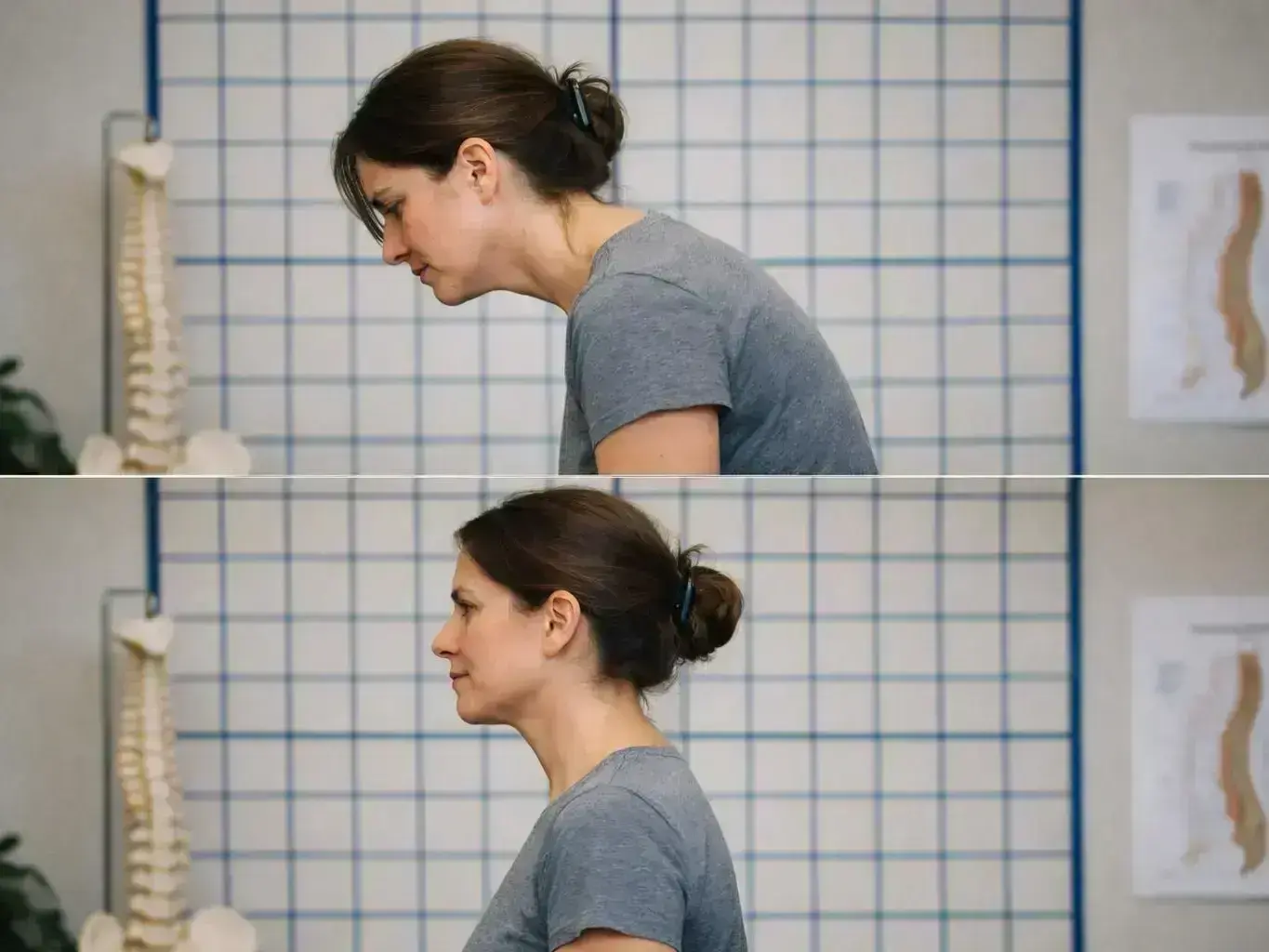
It helps with neck pain or back stiffness. This comes from sitting too much.
Fixing these early stops bigger problems later. In McDonough, GA, many people work hard.
They also stay active. Manual Therapy keeps their bodies healthy.
It helps stop injuries before they happen.