Understanding Joint Dysfunction

Joint Dysfunction refers to a problem with how a joint moves or functions. Joints are the connections between bones that allow movement, such as bending, twisting. Or stretching. When a joint doesn’t move smoothly or loses its normal range of motion, it can lead to discomfort, pain. Or stiffness. This condition can affect any joint in the body, including those in the spine, shoulders, hips, knees. Or hands. Joint Dysfunction is often a sign that something is interfering with the joint’s natural mechanics, such as muscle tightness, misalignment. Or injury.
Unlike arthritis, which involves inflammation of the joint, Joint Dysfunction focuses on the joint’s movement and function. While arthritis can cause Joint Dysfunction, not all cases of Joint Dysfunction are due to arthritis. For example, sitting for long periods with poor posture can cause Joint Dysfunction in the spine without any inflammation. Similarly, repetitive movements, like typing or lifting, can lead to Joint Dysfunction in the hands or shoulders over time. Understanding the difference helps in choosing the right treatment approach.
How Joint Dysfunction Works?
Joint Dysfunction occurs when the normal mechanics of a joint are disrupted. Joints rely on a combination of bones, muscles, ligaments. And cartilage to move smoothly. When one of these components is damaged, strained. Or misaligned, the joint may not move correctly. For example, if a muscle around the joint is tight or weak, it can pull the joint out of alignment, restricting its movement. Ligaments, which connect bones to each other, can also become stretched or injured, leading to instability and dysfunction in the joint.
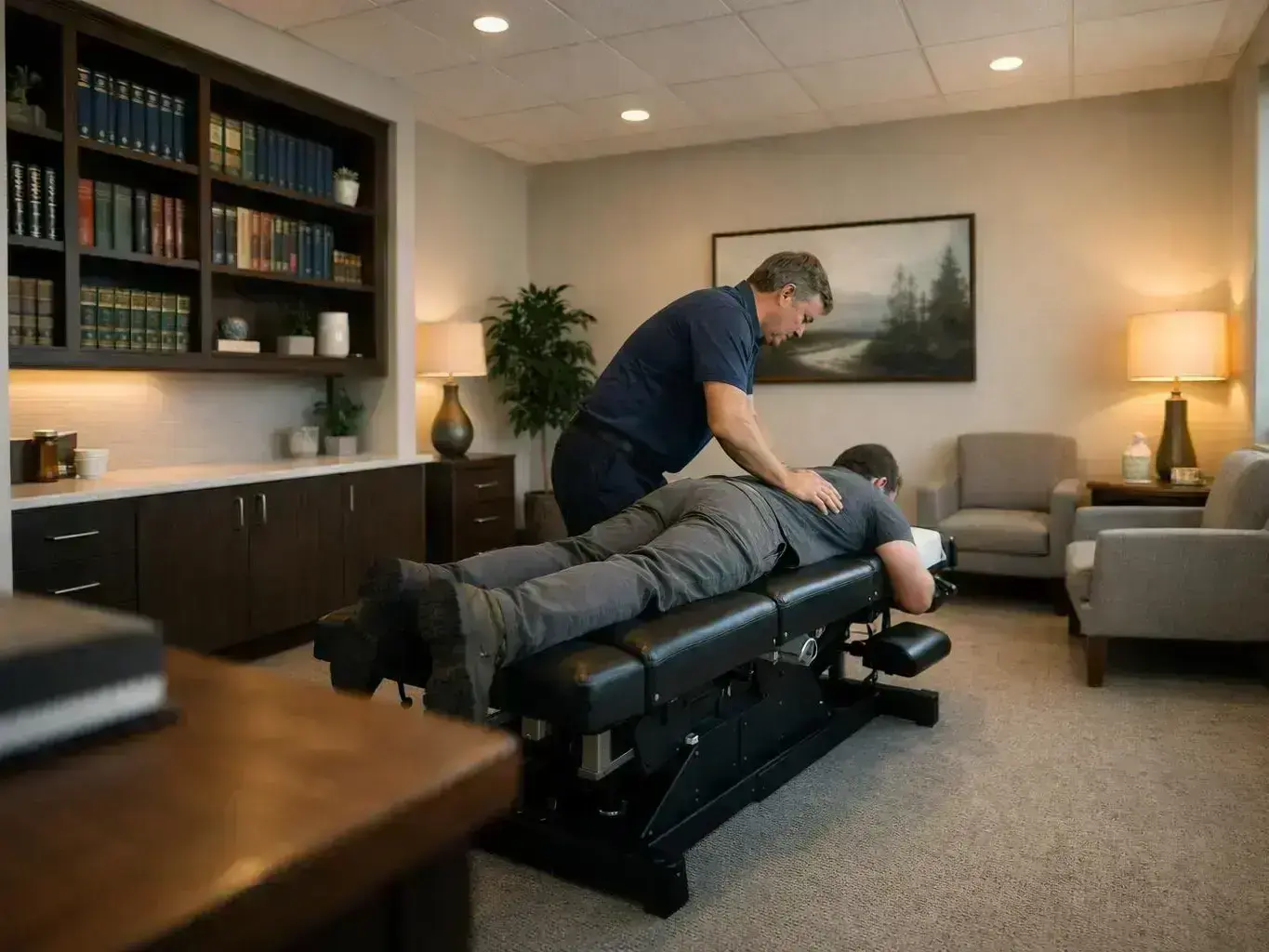
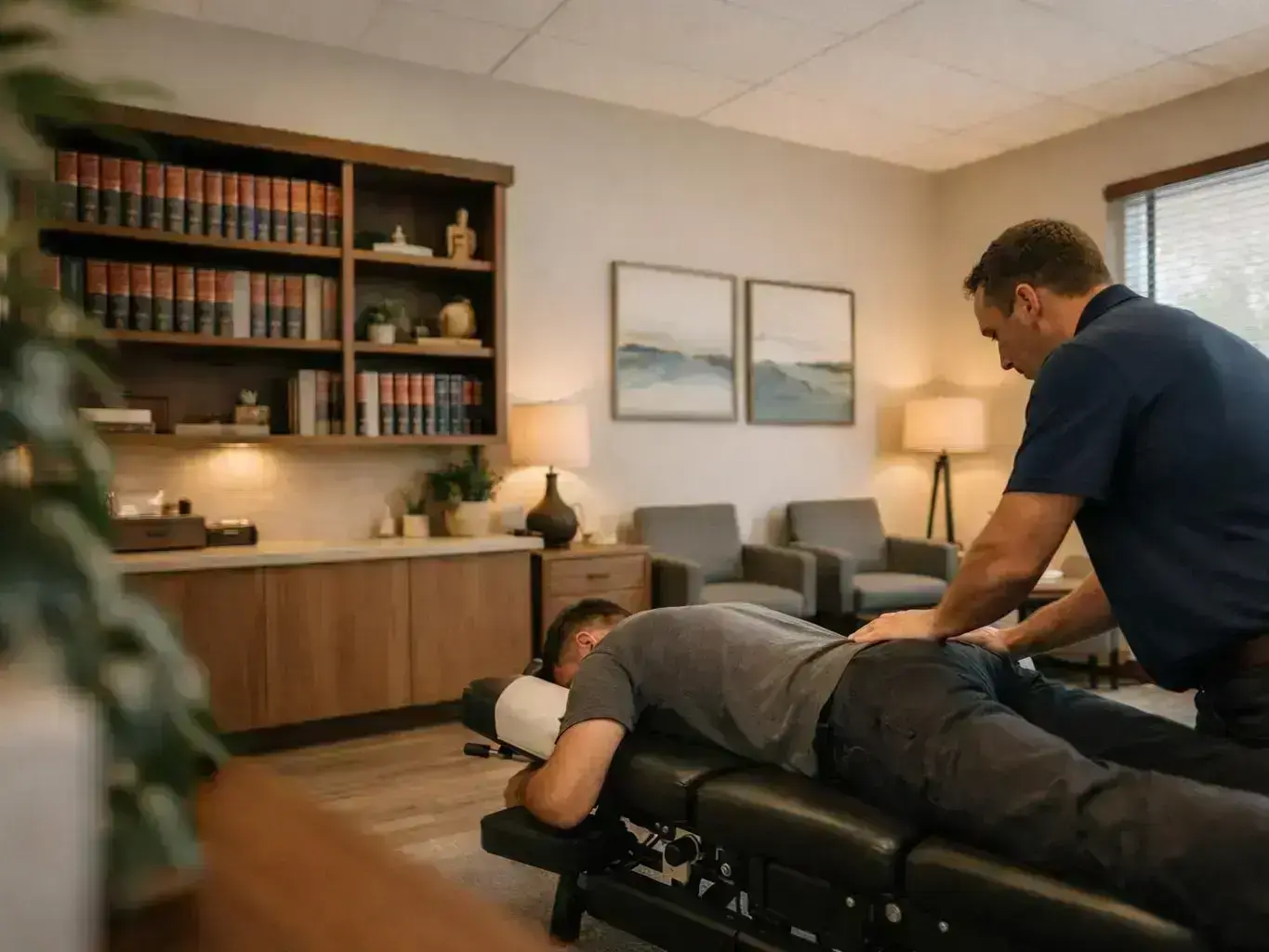
A common issue is Chiropractors often assess Joint Dysfunction by checking the joint’s range of motion, alignment. And any signs of pain or stiffness. They may use orthopedic tests or palpation (feeling the joint) to identify areas of restriction. In some cases, imaging like X-rays or MRIs may be used to rule out other conditions, such as fractures or arthritis. Once identified, treatment focuses on restoring normal joint movement through adjustments, stretches. Or strengthening exercises. For instance, spinal adjustments can help realign vertebrae. While extremity adjustments can improve function in joints like the shoulders or knees.
Why Joint Dysfunction Matters?

Joint Dysfunction matters because it can significantly impact daily life. When a joint isn’t functioning properly, it can cause pain, limit mobility. And reduce the ability to perform everyday tasks. For example, Joint Dysfunction in the spine can lead to back pain, headaches. Or difficulty sitting or standing for long periods. In the shoulders or hips, it can make activities like lifting, reaching. Or walking uncomfortable. Over time, untreated Joint Dysfunction can lead to further complications, such as muscle imbalances, chronic pain. Or even damage to the joint itself.
Addressing Joint Dysfunction early can help prevent these issues and improve overall quality of life. Chiropractic care, physical therapy. And lifestyle changes like improving posture or ergonomics can restore joint function and reduce pain. For athletes or active individuals, addressing Joint Dysfunction can also boost performance and reduce the risk of injury. Even for those with sedentary lifestyles, maintaining healthy joint function is key to staying active and independent as they age.
When Joint Dysfunction Matters Most?
Joint Dysfunction matters most in situations where movement is essential, such as during work, sports. Or daily activities. For example, office workers who sit for long hours may develop Joint Dysfunction in the spine or shoulders due to poor posture. Athletes or manual laborers may experience Joint Dysfunction in the knees, hips. Or wrists from repetitive movements or overuse. Even simple activities, like carrying groceries or playing with children, can become difficult if Joint Dysfunction is present.
Joint Dysfunction also becomes important after injuries, such as car accidents, falls. Or sports-related impacts. These events can cause misalignments or restrictions in the joints, leading to pain or reduced function. In McDonough, GA, chiropractors often see patients with Joint Dysfunction related to car accidents or workplace injuries, where early intervention can help restore movement and prevent long-term issues. And Joint Dysfunction can affect sleep quality, as discomfort may make it difficult to find a comfortable position. Addressing the condition can improve sleep and overall well-being.