Understanding Muscle Stimulation

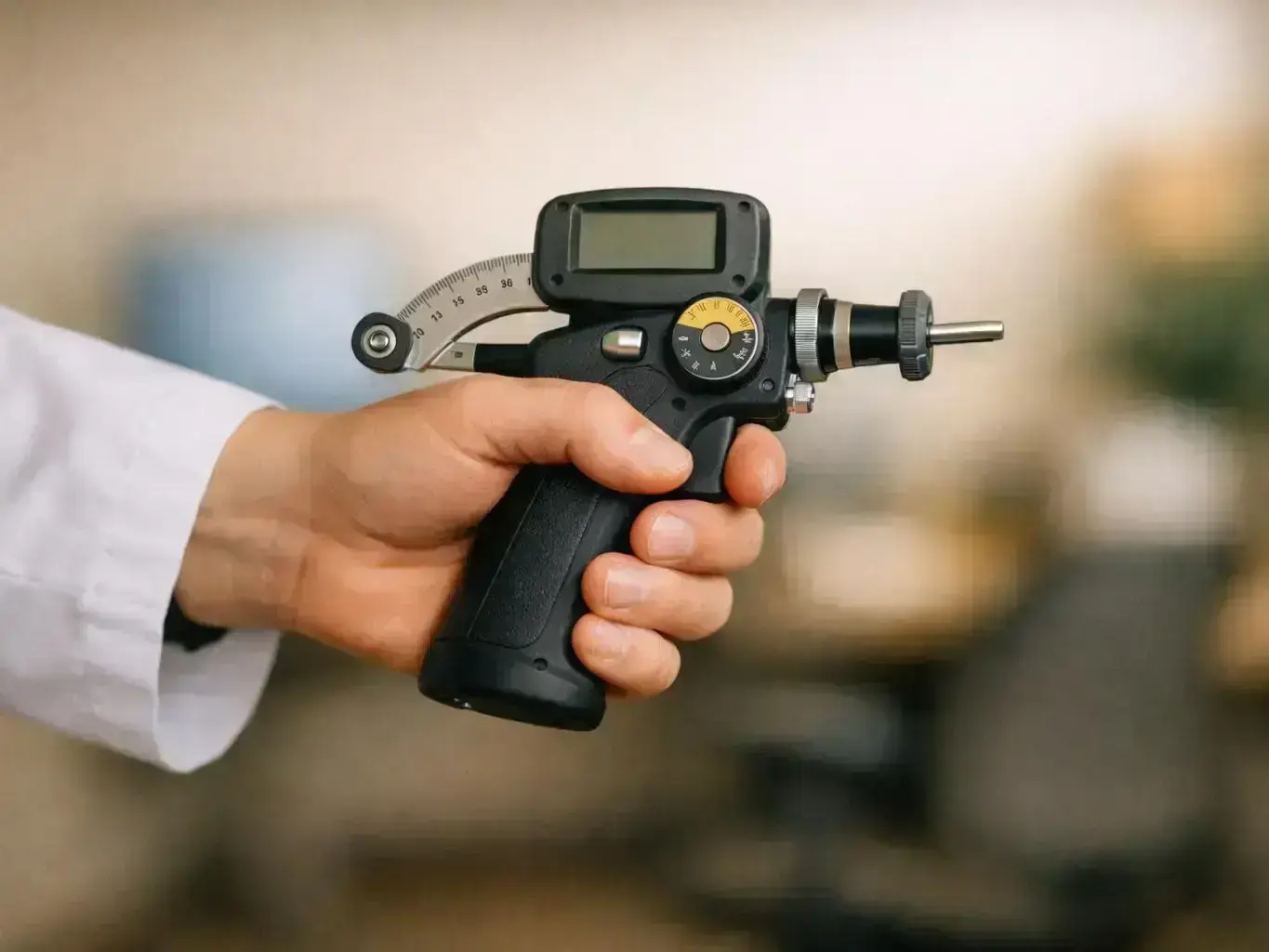
Muscle Stimulation, also called electrical muscle stimulation (EMS), is a treatment method that delivers small electrical pulses to muscles through electrodes placed on the skin. These pulses cause the muscles to contract and then relax, similar to how they move during physical exercise. The process is controlled by a device that adjusts the intensity, frequency. And duration of the impulses based on the patient’s needs. Unlike voluntary muscle contractions, Muscle Stimulation doesn't rely on the brain sending signals through nerves—it directly activates the muscle fibers.
Related glossary terms: Chiropractic, Soft Tissue Therapy, Back Pain.
This technique is widely used in physical therapy, sports medicine. And chiropractic care. It helps patients who struggle with muscle weakness, stiffness. Or pain that limits their ability to move or exercise. Because the contractions are controlled and repetitive, Muscle Stimulation can improve blood flow, reduce swelling. And prevent muscle atrophy in areas that are immobilized due to injury or surgery. It's especially useful for individuals recovering from accidents, sports injuries. Or conditions like sciatica or back pain.
How Muscle Stimulation Works?
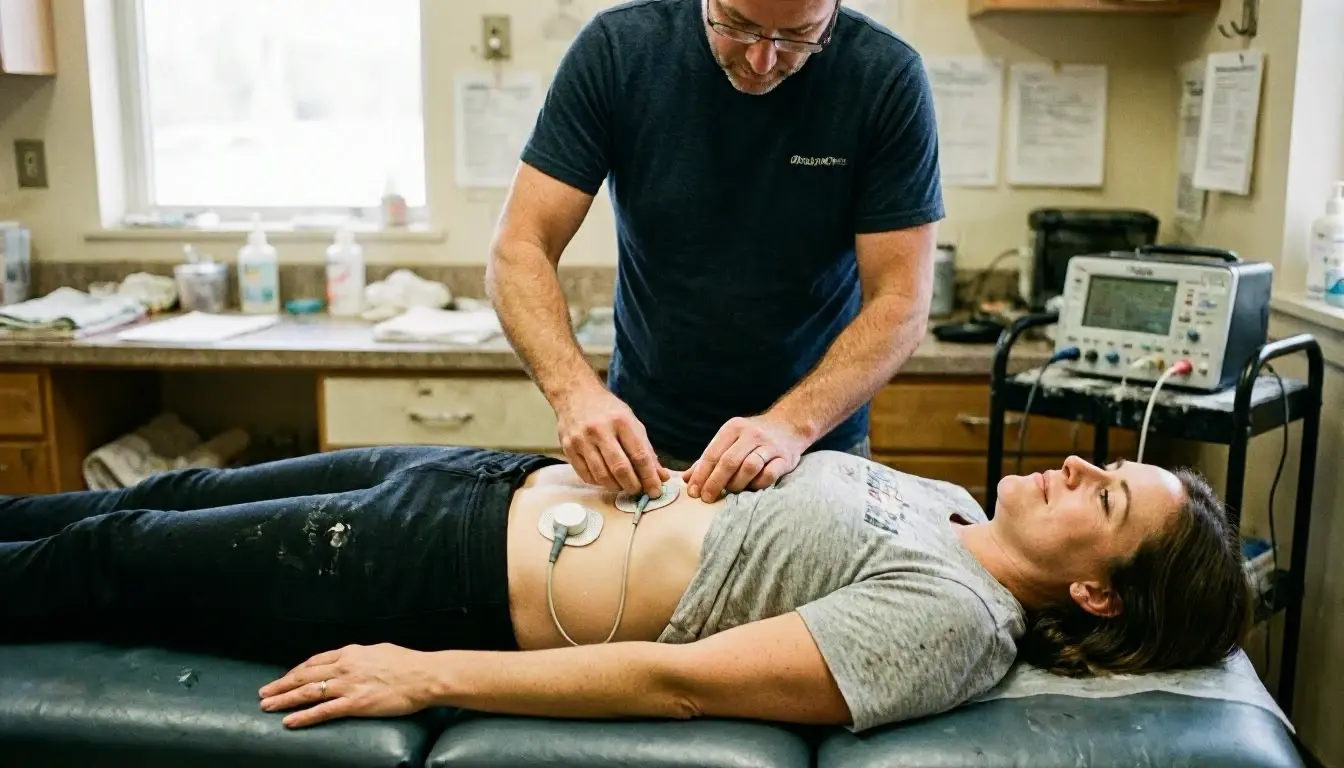
Muscle Stimulation works by sending electrical impulses through electrodes placed on the skin over targeted muscle groups. The electrodes are connected to a portable device that generates the impulses. When the device is turned on, the electrical current travels through the skin and stimulates the motor nerves, which then signal the muscles to contract. The strength of the contraction can be adjusted to match the patient’s comfort level and therapeutic goals.
The treatment typically lasts between 10 to 30 minutes, depending on the condition being addressed. During the session, patients may feel a tingling sensation or mild muscle twitching. But the process is generally painless. The frequency and intensity of the impulses are custom to the specific muscle group and the patient’s tolerance. For example, lower frequencies are often used for pain relief. While higher frequencies may be used to strengthen weakened muscles or improve endurance.
Muscle Stimulation is often combined with other therapies, such as chiropractic adjustments, stretching. Or manual therapy. This combination helps boost the overall effectiveness of treatment by addressing both the structural alignment of the spine or joints and the functional strength of the surrounding muscles. For instance, after a chiropractic adjustment, Muscle Stimulation can help relax tight muscles and reduce spasms, making it easier for the body to maintain proper alignment.
Why Muscle Stimulation Matters?
Muscle Stimulation plays a key role in recovery and rehabilitation because it addresses both pain and muscle dysfunction without relying on medication or invasive procedures. For patients dealing with acute injuries, such as sprains or strains, Muscle Stimulation can accelerate healing by reducing inflammation and improving circulation to the affected area. That means particularly important for athletes or active individuals who need to return to their activities as quickly and safely as possible.
For local customers, For individuals with chronic conditions, such as back pain, arthritis. Or nerve-related disorders, Muscle Stimulation offers a way to manage symptoms and improve quality of life. It can help break the cycle of pain and muscle guarding, where muscles tighten in response to pain, leading to further discomfort. By promoting relaxation and reducing spasms, Muscle Stimulation allows patients to move more freely and engage in daily activities with less discomfort. And it can help prevent muscle wasting in patients who are unable to exercise due to injury or illness.
When Muscle Stimulation Matters Most?
Muscle Stimulation is most beneficial in situations where muscles are weak, injured. Or unable to function properly due to pain or neurological issues. Common scenarios include recovery from sports injuries, such as muscle strains or ligament sprains, where the technique helps restore strength and flexibility. It is also valuable for patients recovering from surgery, such as spinal procedures or joint replacements, where muscle activation is needed to prevent atrophy and support healing.
Another key situation is the management of chronic pain conditions, such as lower back pain or sciatica, where Muscle Stimulation can reduce muscle spasms and improve mobility. Patients with neurological conditions, such as stroke or multiple sclerosis, may also benefit from Muscle Stimulation to help retrain weakened muscles and improve coordination. In chiropractic care, Muscle Stimulation is often used as part of a broader treatment plan to address muscle imbalances, boost the effects of adjustments. And support long-term recovery.
In McDonough, GA, where physical activity and sports are common, Muscle Stimulation is a practical tool for chiropractors helping patients recover from injuries or manage chronic pain. It provides a non-invasive, drug-free option for improving muscle function and reducing discomfort, making it a valuable addition to chiropractic care for individuals of all ages and activity levels.