Glossary

What is Back Pain?

Back Pain is discomfort, soreness. Or stiffness felt anywhere along the spine, from the neck to the lower back. Back Pain can be sharp, dull, constant. Or occasional and may limit movement or daily activities. It often results from muscle strain, joint dysfunction, disc problems. Or poor posture, affecting people of all ages and lifestyles.

Reviewed by Dr. Harry W. Brown, D.C.Sources reviewed: National Institute of Neurological Disorders and Stroke, American Chiropractic Association

Quick Facts About Back Pain

Category

Musculoskeletal condition

Used for

Identifying spine or muscle-related discomfort

Common confusion

Back Pain vs. Kidney pain or digestive issues

Also called

Spinal Pain, Lower Back Pain

Often discussed with

Chiropractic Consultation and Diagnosis, Work Injury Treatment

Key Takeaways About Back Pain

Understanding Back Pain
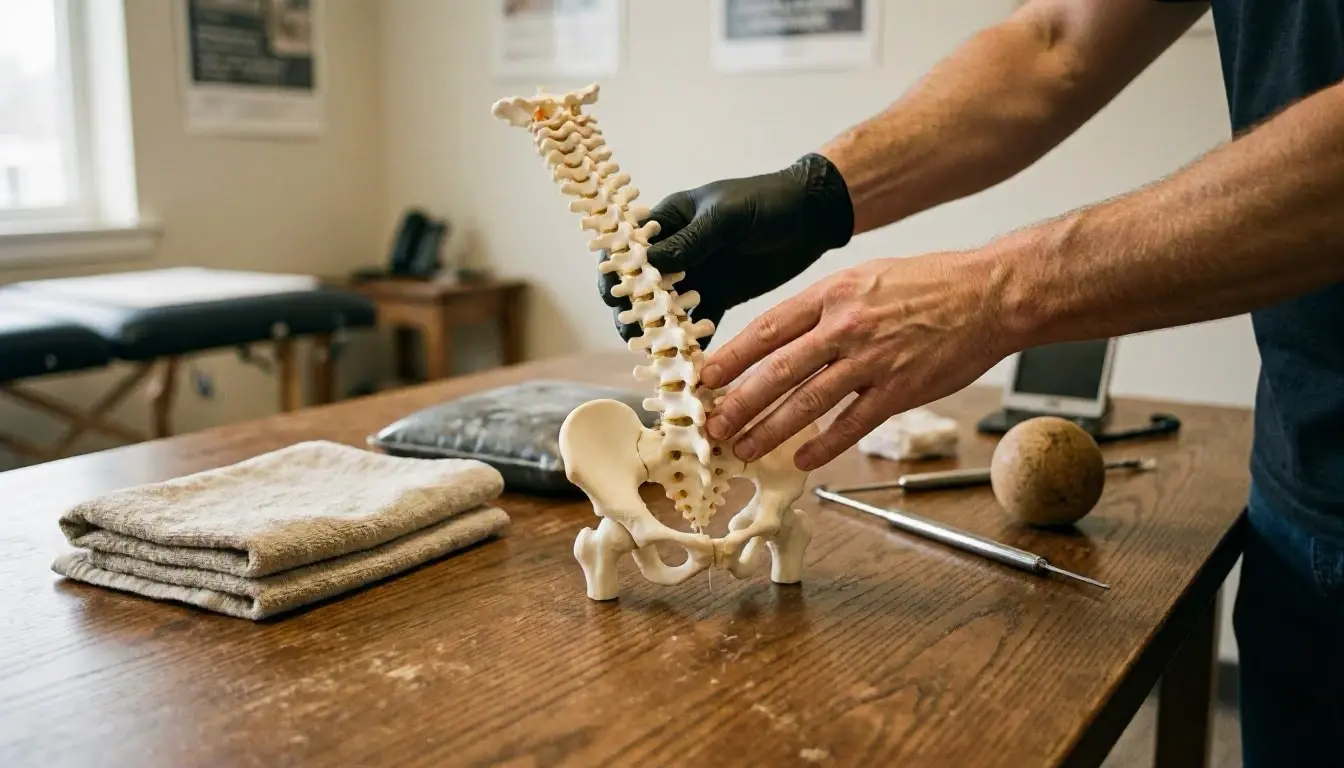
Back Pain in Chiropractor—McDonough

Back pain is very common. Millions of people feel it every year.

Related glossary terms: Disc Herniation, Joint Dysfunction, Muscle Strain.

It means discomfort in your spine. The spine has three parts: neck, mid-back. And lower back.

Back pain can be short-term. It may last days or weeks.

Or it can be long-term. This means it lasts three months or more.

Most back pain comes from small problems. These can be muscle strain or bad posture.

But sometimes it comes from bigger issues. These include disc herniation (a bulging disc), arthritis. Or spine problems.

Back pain feels different for everyone. Some feel sharp, stabbing pain.

Others feel a dull, constant ache. The pain may stay in one spot.

Or it may spread to legs or arms. Many things can cause back pain.

Your age, job. And health matter. Heavy lifting or sitting too long can hurt your back.

Knowing about back pain helps. It’s the first step to find relief.

How Back Pain Works and What Causes It?

Back pain happens when parts of your spine hurt. These parts are muscles, ligaments, discs. Or joints.

The spine has bones called vertebrae. It also has discs that act like cushions.

Nerves and soft tissues are there too. If any part gets hurt, it sends pain signals.

Lifting wrong can strain muscles. Sitting too long can weaken your core.

This weakens support for your spine. Over time, this can cause long-term pain.

Disc herniation is a common cause. This is when a disc bulges and presses on nerves.

Joint problems can also cause pain. Joints may get stiff or out of place.

Other causes include arthritis (joint pain) or spinal stenosis (narrowing of the spine).

These can squeeze nerves. This causes pain.

Lifestyle matters too. Not exercising, being overweight. Or smoking can cause back pain.

Stress and poor sleep make muscles tight. This makes back pain worse.

Finding the cause helps. Then you can pick the right treatment.

Why Back Pain Matters?

Back pain is more than just annoying. It can hurt your daily life.

It may stop you from bending or lifting. Even sitting can feel hard.

Back pain can mess with work and sleep. It can make you frustrated.

If not treated, it can get worse. You might move less and get weaker.

In bad cases, it can cause disability. Surgery may be needed.

Getting help early is key. It helps manage the pain better.

Back pain can affect your mind too. Long-term pain causes stress.

It can lead to anxiety or sadness. Pain makes it hard to focus.

Treating back pain fast helps. It stops these problems before they grow.

For active people, back pain is serious. It can hurt performance.

It can also cause more injuries. Knowing this helps you take care.

When Back Pain Matters Most?

Back pain matters when it disrupts your day. It can mess with work or sleep.

See a doctor if it’s bad. Or if it lasts more than a few weeks.

Watch for other signs too. These include numbness or tingling.

Weak legs or losing bladder control are serious. These mean you need help fast.

They may signal nerve problems. Or a herniated disc (bulging disc).

Pain after a fall or accident needs check-up. It could be a fracture.

Some people need to watch back pain more. These include workers with tough jobs.

Athletes and office workers matter too. Back pain can hurt their work.

In McDonough, GA, many people are active. Some work in logistics, healthcare. Or schools.

Back pain can stop them from doing their jobs. It can also cause more injuries.

Knowing when to get help is important. It helps avoid bigger problems later.

How to Evaluate Back Pain?

Related Concepts Compared

Back Pain vs. Muscle Strain

Muscle Strain is a specific injury to muscles or tendons, often causing localized pain. Back Pain is a broader term that can include muscle strain but also involves joints, discs. Or nerves.

Back Pain vs. Sciatica

Sciatica is a type of Back Pain caused by irritation of the sciatic nerve, leading to pain that radiates down the leg. Not all Back Pain involves sciatica.

Expert Note

Back Pain is rarely just a muscle issue—it often involves joint mechanics, nerve sensitivity. Or disc integrity. A thorough evaluation should assess movement patterns, posture. And neurological signs to identify the root cause, not just the symptoms.

Common Mistakes or Myths About Back Pain

  • Ignoring Back Pain and hoping it will go away on its own, which can lead to chronic issues.
  • Assuming all Back Pain is caused by muscle strain, overlooking joint or disc problems.
  • Relying only on pain medication instead of addressing the underlying cause.
  • Continuing activities that worsen the pain without modifying movement or posture.
  • Delaying professional care for severe or persistent Back Pain, risking further injury.

Back Pain in Practice: A Real-World Example

After lifting a heavy box at work, a warehouse employee in McDonough, GA, felt a sharp pain in their lower back. The discomfort worsened over the next few days, making it difficult to stand or walk. A chiropractor evaluated their spine and identified joint dysfunction and muscle tension, recommending adjustments and therapeutic exercises to relieve the pain.

Related Services

Related Terms

Disc Herniation

Disc Herniation is a spinal condition where the soft inner gel of a spinal disc leaks through a tear in the tougher outer layer, often pressing on nearby nerves. This can cause pain, numbness. Or weakness in the back, legs. Or arms, depending on the disc’s location along the spine.

Joint Dysfunction

Joint Dysfunction is a condition where a joint in the body doesn't move or function as it should, often causing pain, stiffness. Or reduced range of motion. It can result from injury, overuse, poor posture. Or underlying health issues like arthritis. Joint Dysfunction may affect any joint, including the spine, shoulders, hips.

Muscle Strain

Muscle Strain is an injury that occurs when muscle fibers stretch or tear due to overexertion, sudden movement. Or improper use. It often causes pain, swelling. And limited movement in the affected area. Muscle strains commonly affect the back, neck, shoulders. And legs. And can range from mild discomfort to severe damage requiring medical attention.

Spinal Alignment

Spinal Alignment is the proper positioning of the vertebrae in the spine, ensuring they're correctly stacked and balanced. This alignment supports healthy posture, reduces strain on muscles and nerves. And allows the body to function efficiently. Poor alignment can lead to pain, stiffness.

Arrowhead Clinic Chiropractor

Have Questions About Back Pain?

Contact Arrowhead Clinic Chiropractor for practical guidance on Back Pain and related chiropractor work in McDonough.

+1 770-637-6261