Understanding Posture Analysis

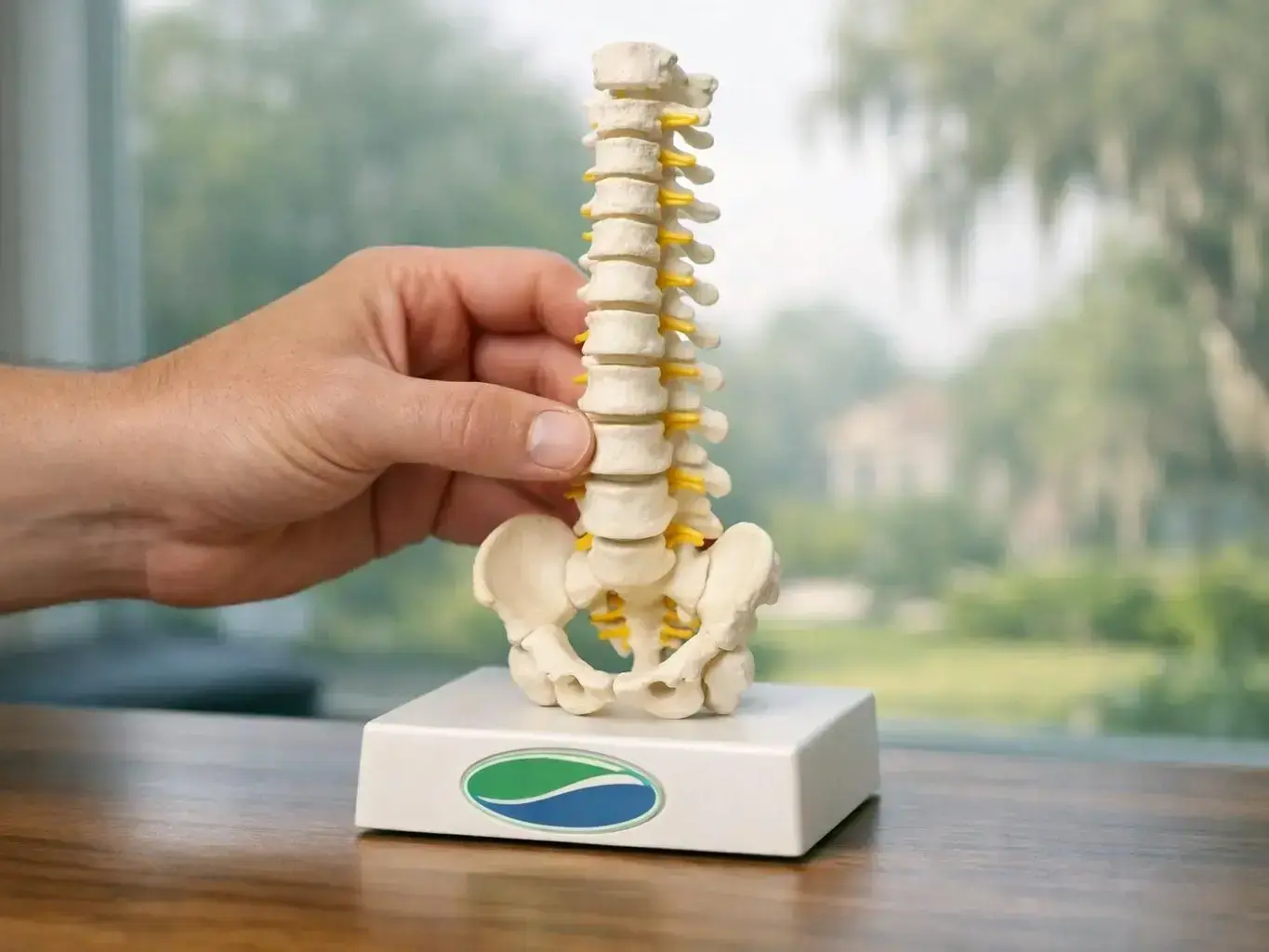
Posture Analysis checks how your body stands or moves. It looks at your spine, shoulders, hips. And limbs.
Related glossary terms: Chiropractic, Joint Dysfunction, Spinal Manipulation.
Poor posture can come from slouching or sitting too long. It can hurt your muscles and joints.
Over time, bad posture may cause lasting pain. It can lead to headaches or pinched nerves.
Healthcare workers use this check to find problem spots. They can suggest fixes like exercises or changes in habits.
Posture isn't just about looks. Good posture helps your body share weight evenly.
This keeps stress off certain muscles and joints. Bad posture can strain your neck and back.
For example, rounded shoulders can hurt your upper back. A forward head can cause neck pain.
Posture Analysis finds these issues early. This lets experts fix small problems before they grow.
It's a key tool in chiropractic care and physical therapy. It also helps in sports medicine.
How Posture Analysis Works?
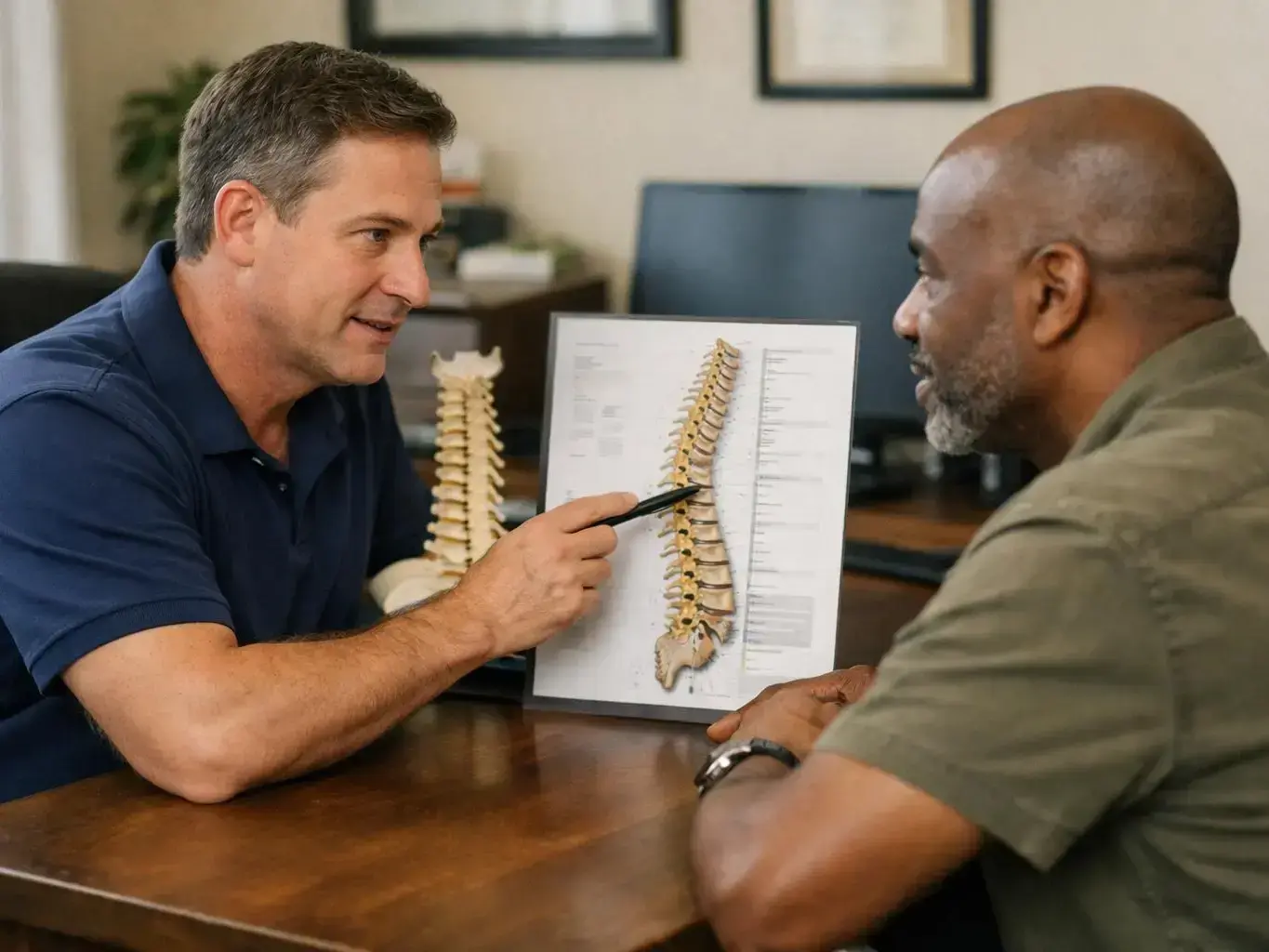
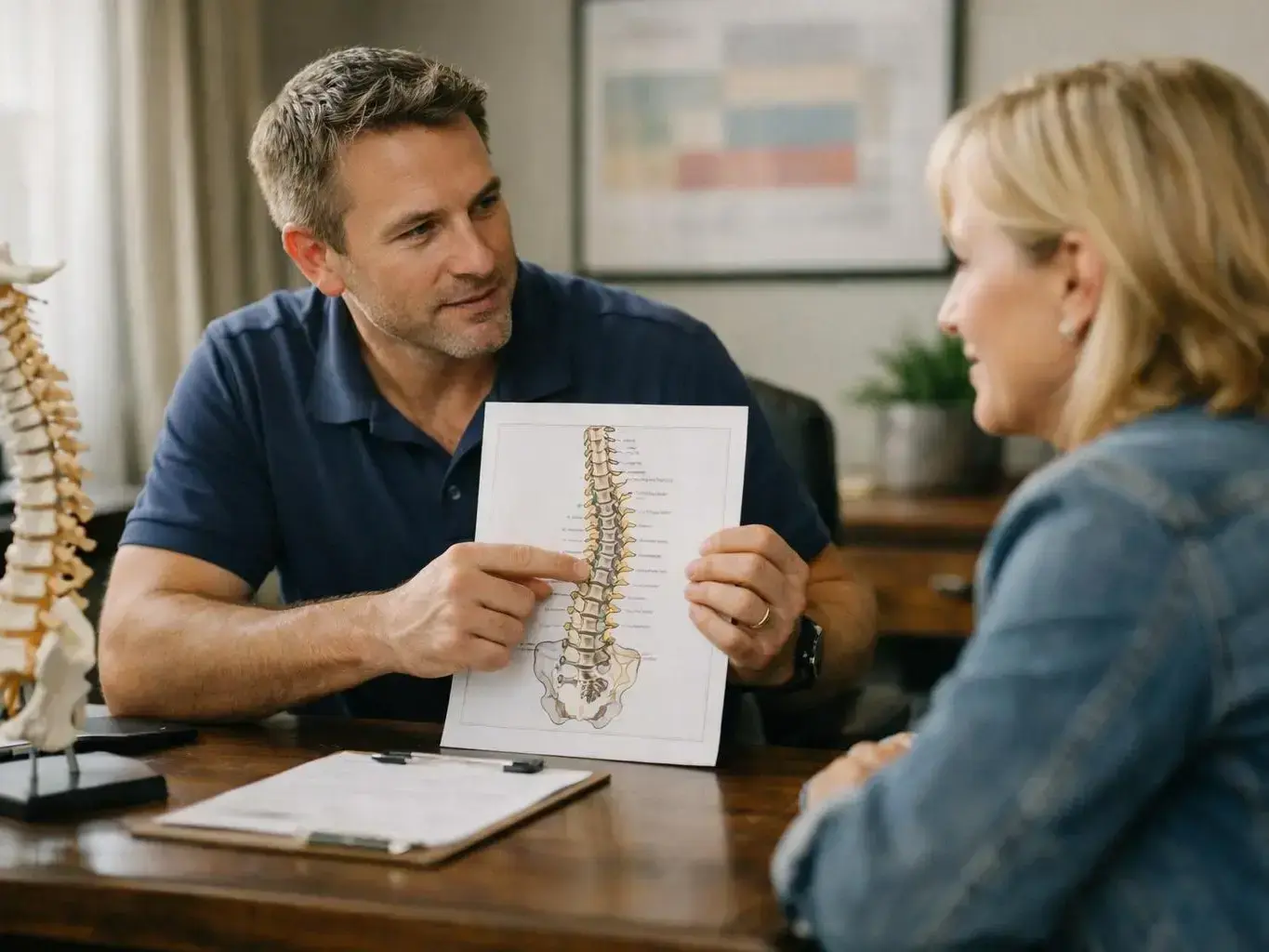
A chiropractor or therapist starts with a visual check. They look at you from different sides.
They check for uneven shoulders or a tilted pelvis. They also look for curved spines.
They may use tools like plumb lines (straight strings). Grids or apps can help too.
Some use X-rays or 3D motion scans. These show spine and joint angles clearly.
This helps track progress over time.
Next, they may ask you to move. You might bend, twist. Or lift.
This shows how posture affects daily tasks. It finds weak or unstable spots.
For example, weak core muscles may arch your back. This happens when you stand.
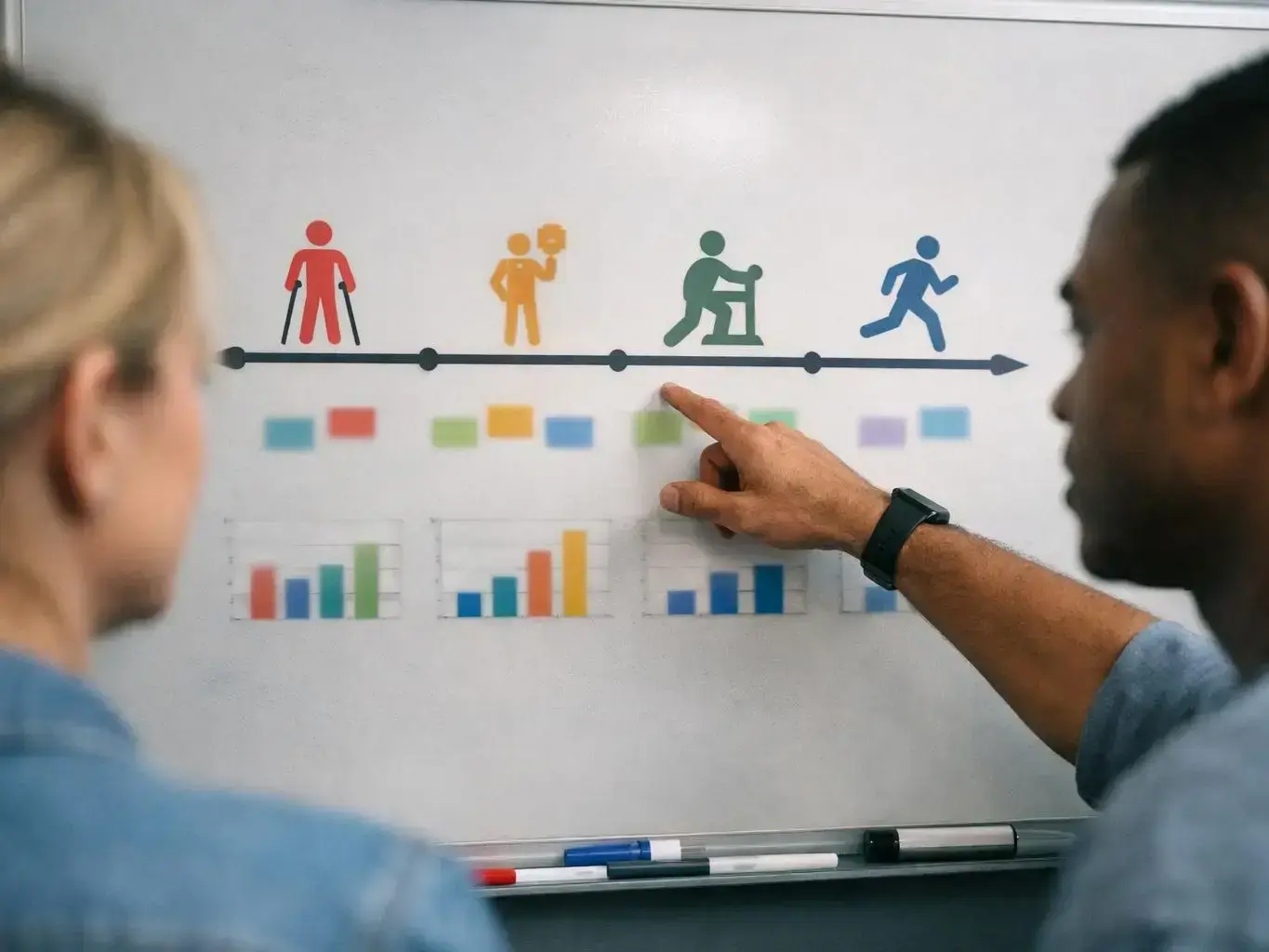
The results guide your treatment plan. This may include adjustments or exercises.
They might suggest stretches or ergonomic (work setup) tips. Follow-ups check if it's working.
Why Posture Analysis Matters?
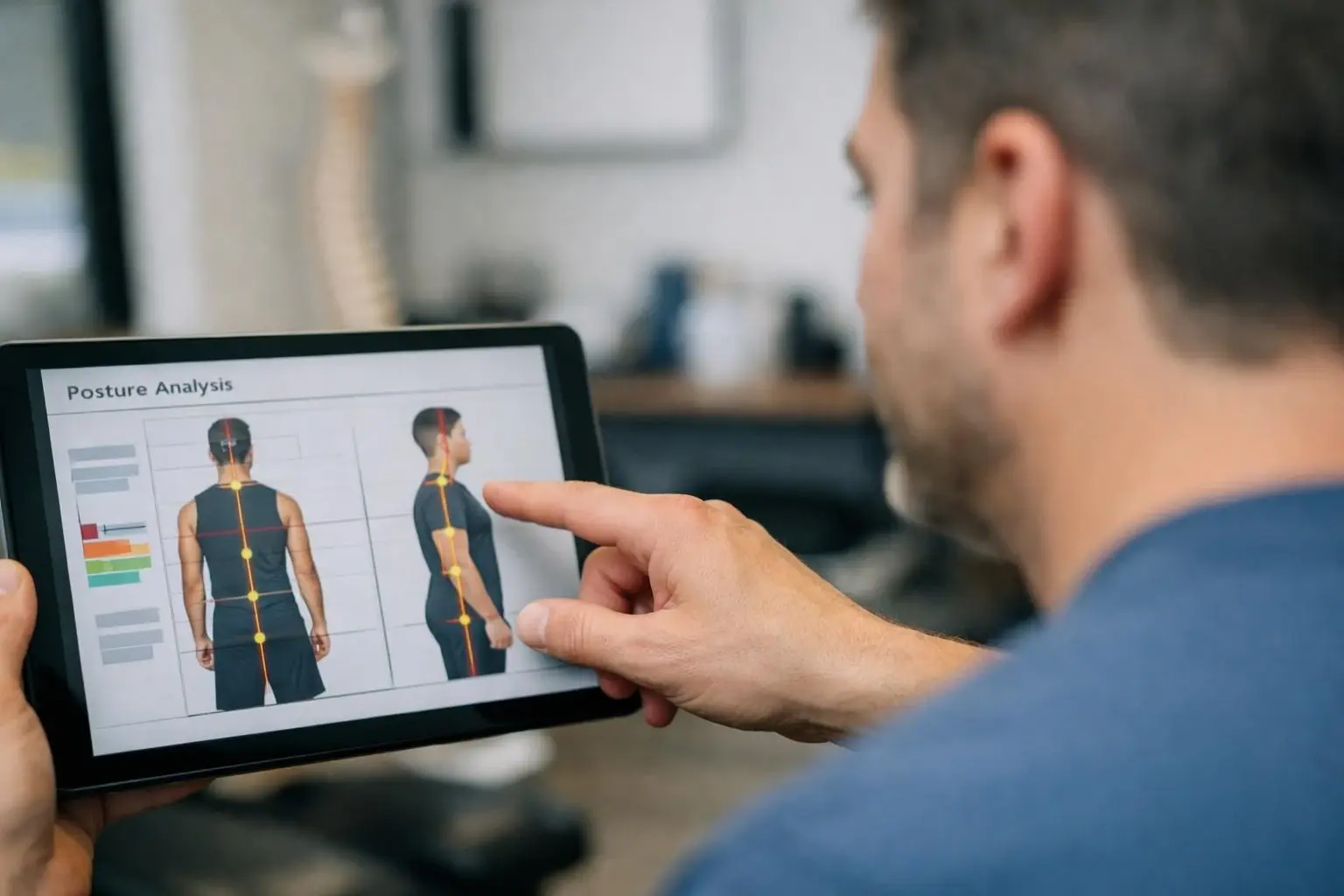
Posture Analysis matters because bad alignment causes problems. Some muscles work too hard.
This leads to tiredness, tension. And pain. Slouching can squeeze your lungs.
It makes breathing harder. It can also make you feel more tired.
Bad posture can wear down joints unevenly. This can cause arthritis (joint pain).
Finding these issues early stops long-term damage. It helps your body work better.
Posture affects more than just your body. Good posture can boost confidence.
It can also lower stress. Bad posture may make you feel tired or sad.
Athletes with good posture perform better. They also get hurt less often.
At work, good posture can cut discomfort. It can help you get more done.
For pain relief or injury prevention, fix your posture. It helps you stay healthy and active.
When Posture Analysis Matters Most?
Posture Analysis helps people with chronic pain. It helps those with frequent headaches.
It also helps if your neck, back. Or shoulders feel stiff. It's good for injury recovery too.
This includes whiplash or sports injuries. It helps after workplace accidents.
People with desk jobs need posture checks. Sitting too long can cause problems.
Athletes use it to improve performance. It helps prevent injuries from overuse.
Kids and teens can benefit too. Early checks can spot issues like scoliosis (curved spine).
Older adults can use it to manage osteoporosis (weak bones). It helps with disc disease too.
It keeps them moving and lowers pain. People getting surgery may use it too.
It sets a baseline for recovery. In McDonough, GA, many people stay active.
Long commutes are common here. Posture Analysis helps with pain or injuries.