Understanding Orthopedic Tests
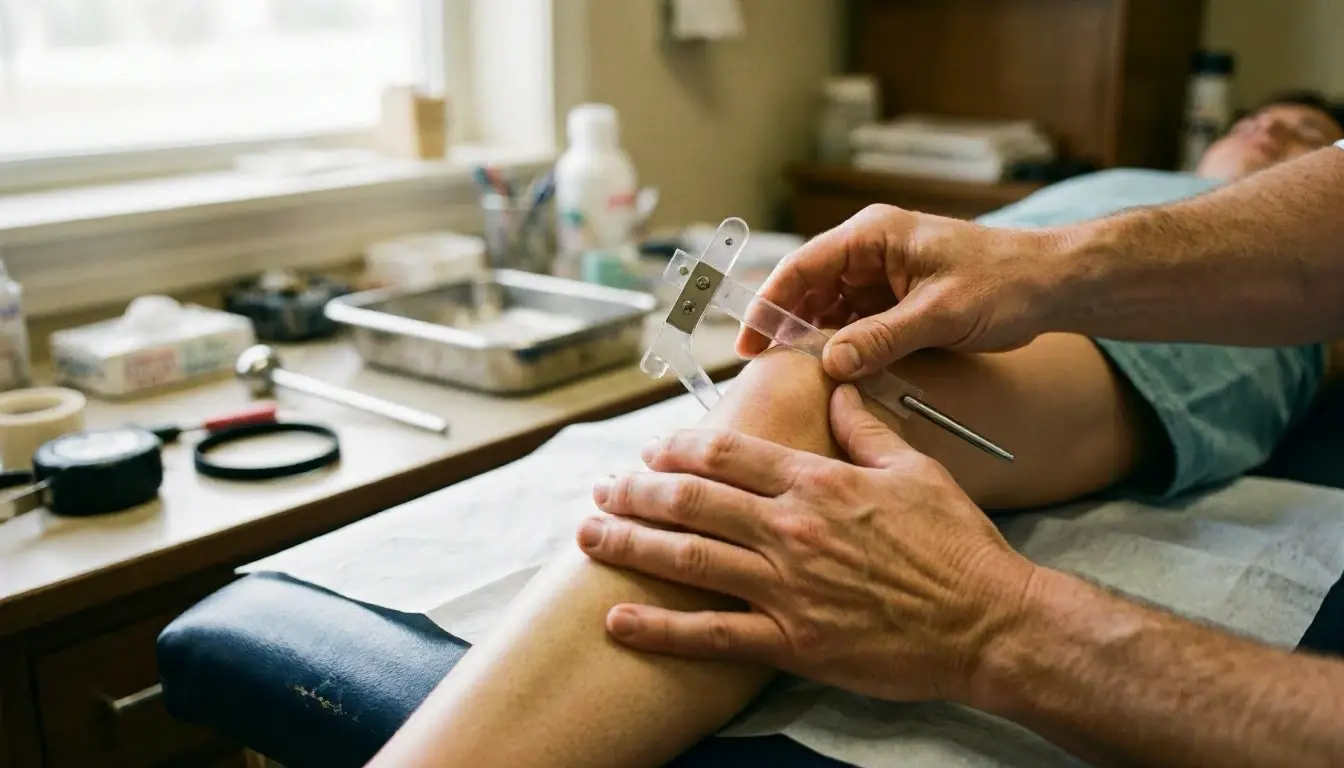
Orthopedic tests are special checks. Chiropractors, doctors. And therapists use them. They help find what causes pain or trouble moving.
These tests don't use machines. They don't use X-rays or MRIs (scans). Instead, they use hands-on steps.
The examiner moves your body in certain ways. They may push gently or ask you to push back. If a test causes pain, it shows what's wrong.
It could be a muscle, joint, nerve. Or bone. The test helps find the problem.
These tests use medical knowledge. They know how the body moves. They also know what happens when parts are hurt.
For example, a shoulder test may raise your arm. They do it a certain way to check for pain.
A neck test may tilt your head. They press lightly on top. This checks for a pinched nerve.
Each test is made to cause symptoms. This helps the examiner find the problem.
How Orthopedic Tests Work?
The examiner follows clear steps. First, they ask about your pain. They want to know where it hurts and what makes it worse.
Then, they move the hurt body part. They stretch or press the area. They watch for signs like pain or weakness.
You may need to push against their hand. This checks your strength. It also checks how stable you are.
The Straight Leg Raise test checks for sciatica. Sciatica is when a nerve in your back is pinched.
You lie on your back. The examiner lifts one leg straight up. If pain shoots down your leg, it may be a nerve problem.
Neer’s test checks the shoulder. The examiner raises your arm forward. They hold your shoulder blade steady.
If this causes pain, it may mean swelling. It could also mean an injury in the shoulder.
Orthopedic tests are used with other checks. They may check your reflexes. They may feel for sore spots.
The results help the examiner understand the problem. These tests don't hurt. They may cause slight discomfort if they trigger pain.
They're safe for most people. This includes kids and older adults. But they must be done right.
Why Orthopedic Tests Matter?
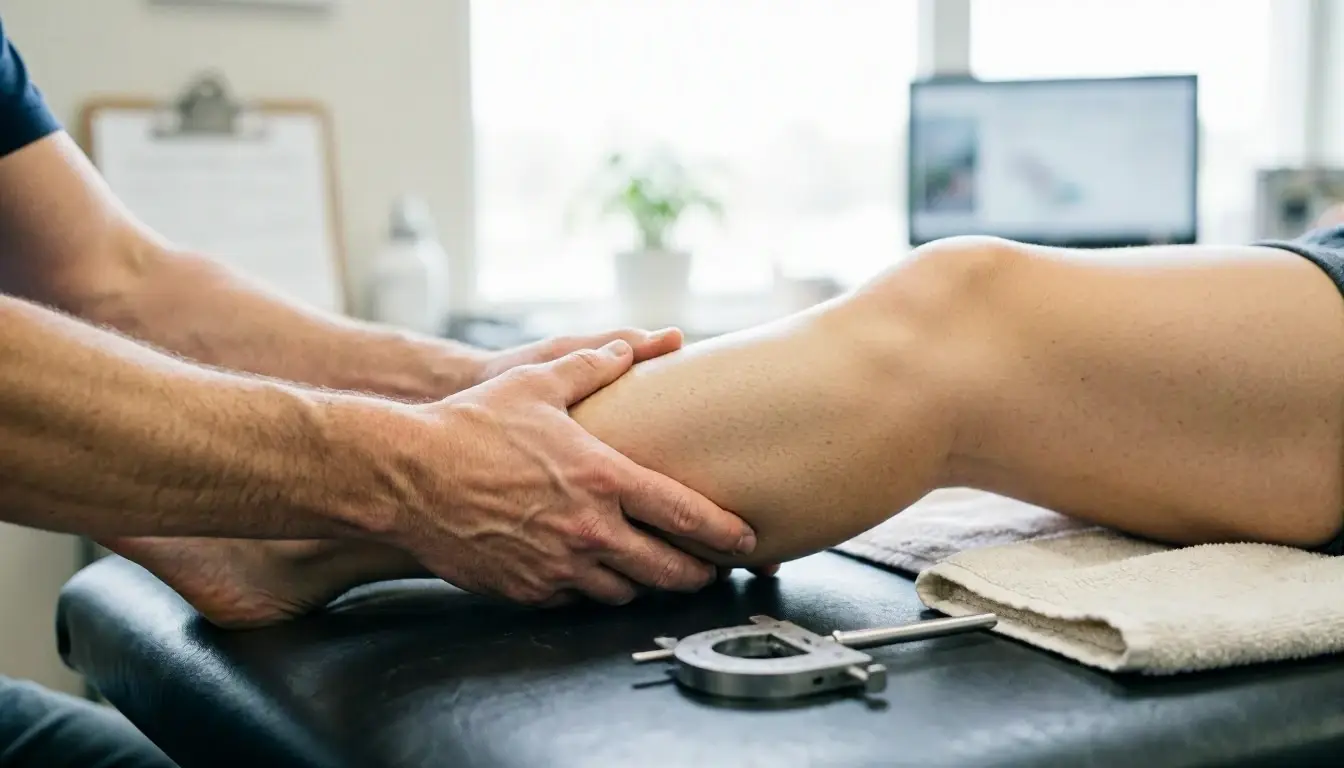
Orthopedic tests help doctors find problems. They don't rely only on costly tests like MRIs.
This is key for issues that scans can't show. These include muscle strains or nerve irritation.
The tests help find the exact problem. Then, the examiner can suggest the right treatment.
Treatment may be chiropractic care or therapy. It may be rest or seeing a specialist.
These tests give quick answers. You don't wait for scan results. You learn what's wrong during the visit.
This helps you start treatment sooner. Sooner treatment means faster healing.
The tests also track progress. If a test hurts less later, you're getting better.
When Orthopedic Tests Matter Most?
Orthopedic tests matter most with daily pain. They help with stiffness, weakness. Or numbness.
They're used after injuries. These include sports, car accidents. Or falls. They check for damage.
They help with long-term issues too. These include arthritis or repetitive strain. They see if treatment works.
Chiropractors use these tests on the first visit. They help understand the problem before care starts.
In McDonough, GA, chiropractors use these tests a lot. They check back pain, neck pain. And joint issues.
Many people there play sports or do physical work. Some have been in car accidents. These tests help check injuries fast.
They also help older adults. These adults may have joint or muscle issues from aging.
Orthopedic tests aren't just for injuries. They can find problems early.
An athlete may have a shoulder test. This happens before starting a new sport. It checks for weaknesses.
Someone with a desk job may have posture checked. This sees if it causes neck or back strain.