Glossary

What is Chiropractic Neurology?

Chiropractic Neurology is a specialized branch of chiropractic care that focuses on the relationship between the nervous system and spinal function. It uses non-invasive techniques to assess and improve neurological health, helping patients with conditions like balance disorders, chronic pain. And brain-body coordination issues by evaluating nerve pathways and brain function.

Reviewed by ChiropractorMcDonough.comSources reviewed: American Chiropractic Neurology Board, National University of Health Sciences

Quick Facts About Chiropractic Neurology

Category

Chiropractic specialty

Used for

Neurological disorders, chronic pain, balance problems

Common confusion

Often mistaken for general chiropractic adjustments

Also called

Functional Neurology, Chiropractic Functional Neurology

Key Takeaways About Chiropractic Neurology

Understanding Chiropractic Neurology
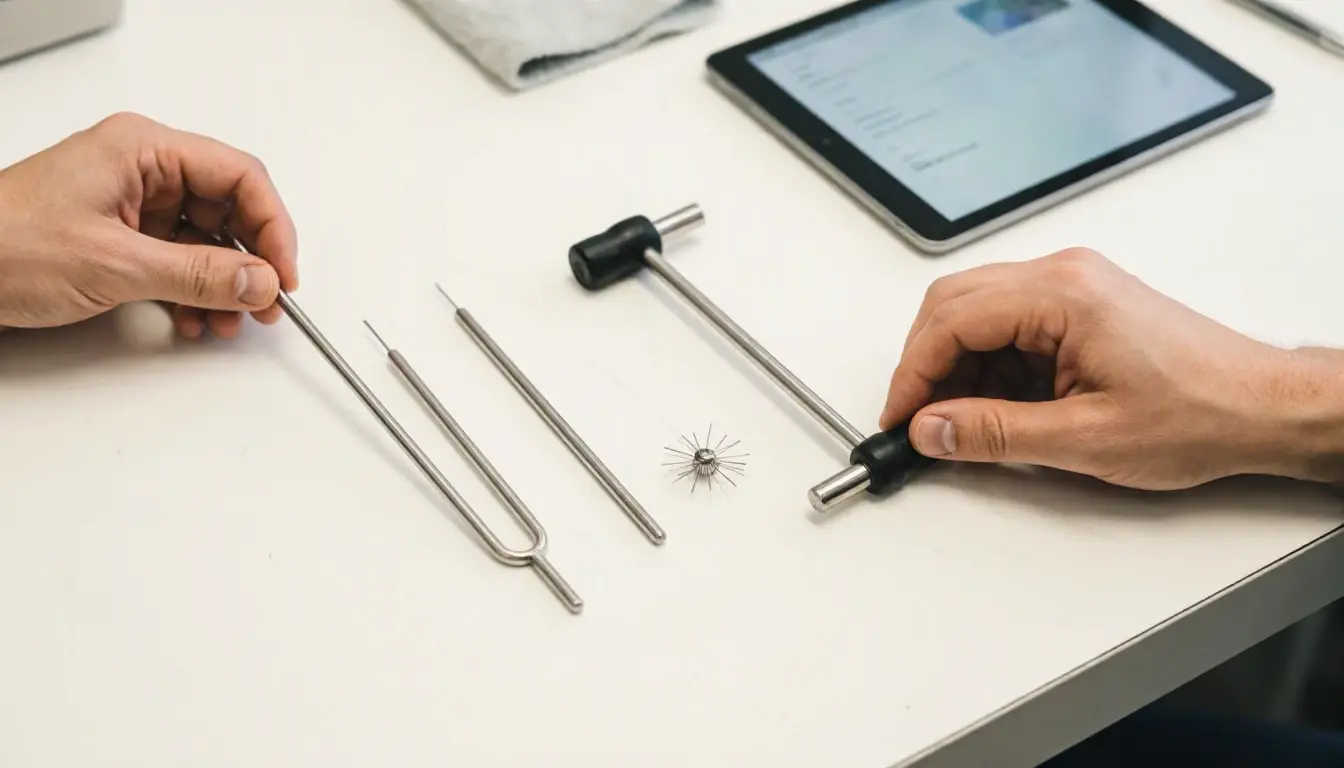
Chiropractic Neurology in Chiropractor: Chiropractic Neurology is a specialized branch of chiropractic care that focuses o...

Chiropractic Neurology mixes chiropractic care with brain science. It looks at how the spine and nerves work together. This affects your health.

Related glossary terms: Chiropractic, Nerve Compression, Spinal Manipulation.

Most chiropractors help with joint or muscle pain. Chiropractic Neurology does more. It checks how spine problems hurt nerve signals and brain work.

This can help people with dizziness. It can help those with bad headaches. It can help if you have trouble moving smoothly.

Doctors in this field do special nerve tests. They check your reflexes. They look at how your eyes and body move.

The tests find where nerves may not work right. The goal is to make a plan just for you. It helps your nerves without surgery or drugs.

Your nerves control everything in your body. So fixing them can help in many ways.

How Chiropractic Neurology Works?

Treatments wake up your nerves in certain ways. A chiropractor may move your spine gently. This fixes spots that block nerve signals.

They often add other help. This can be exercises. It can be light, sound. Or gentle shaking (vibration).

These things help your brain work better. When nerves talk clearly, you move easier. You hurt less. You feel healthier.

Doctors also teach you about your nerves. They show how posture and stress hurt them. They may tell you to change daily habits.

They might give you special exercises. These keep the good effects going. Nerves change over time. So you need to keep checking.

Why Chiropractic Neurology Matters?

How Chiropractic Neurology applies to Chiropractor services in McDonough, United States—practical illustration

Chiropractic Neurology helps without cutting or drugs. It works for nerve problems that nothing else fixes. People with long pain or balance trouble can feel better.

It fixes the real cause, not just the pain. This can help you stay healthy longer. It can make life better.

Your nerves do more than you think. Bad nerves can make you tired. They can make it hard to focus. They can even hurt your stomach.

Chiropractic Neurology shows these links. It helps you take care of your nerves. If you don’t want drugs or surgery, this can help.

When Chiropractic Neurology Matters Most?

Chiropractic Neurology helps people with nerve problems. It works for long pain that won’t go away. This includes bad headaches (migraines). It includes nerve pain (neuropathy). It includes fibromyalgia.

It helps after brain injuries like concussions. It helps with balance problems like vertigo. Kids with slow development may get help too.

Some try regular chiropractic care first. If it doesn’t work, this may help more. It’s good if you don’t want drugs or surgery.

The plan is made just for you. But you need a trained doctor. They know how to check and fix nerves.


How to Evaluate Chiropractic Neurology?

Related Concepts Compared

Chiropractic Neurology vs. Chiropractic Adjustment

Chiropractic Adjustment focuses on spinal alignment to relieve pain. While Chiropractic Neurology examines how spinal health affects the nervous system and brain.

Chiropractic Neurology vs. Neurology (Medical)

Medical Neurology is a branch of medicine that diagnoses and treats nervous system disorders with drugs or surgery. While Chiropractic Neurology uses non-invasive, drug-free methods.

Chiropractic Neurology vs. Physical Therapy

Physical Therapy focuses on improving movement and strength. While Chiropractic Neurology targets nerve function and brain-body coordination.

Expert Note

Chiropractic Neurology is not a replacement for medical neurology but a complementary approach. It’s particularly useful for patients whose symptoms stem from functional nerve issues rather than structural damage. Always verify the practitioner’s credentials in neurological assessment.

Common Mistakes or Myths About Chiropractic Neurology

  • Assuming Chiropractic Neurology is the same as general chiropractic care.
  • Expecting immediate results without follow-up or lifestyle changes.
  • Choosing a practitioner without neurological training or certification.
  • Believing it can replace medical treatment for serious neurological conditions.

Chiropractic Neurology in Practice: A Real-World Example

A patient with chronic dizziness visits a Chiropractic Neurologist. After a neurological exam, the practitioner finds that misalignments in the upper spine are affecting nerve signals to the brain. Gentle adjustments and balance exercises help the patient regain stability over several weeks.

Sources & Further Reading on Chiropractic Neurology

Related Terms

Chiropractic

Chiropractic is a healthcare profession focused on diagnosing and treating musculoskeletal disorders, particularly those related to the spine. Chiropractors use hands-on spinal manipulation and other alternative treatments to align the body's musculoskeletal structure, enabling the body to heal itself without surgery or medication. Chiropractic care primarily addresses back pain, neck pain, joint pain. And headaches.

Nerve Compression

Nerve Compression is a condition where a nerve is pressed or squeezed by surrounding tissues, such as bones, muscles, tendons. Or cartilage. This pressure disrupts the nerve’s normal function, often causing pain, numbness, tingling. Or weakness in the affected area. Common sites include the spine, wrists. And elbows. And symptoms may worsen with movement or prolonged pressure.

Spinal Manipulation

Spinal Manipulation is a hands-on technique used by licensed chiropractors and other trained healthcare providers to apply controlled force to joints in the spine. The goal is to improve spinal motion, reduce nerve irritation.

Orthopedic Tests

Orthopedic Tests are hands-on examinations chiropractors and doctors use to diagnose muscle, joint, nerve. Or bone problems. These tests involve specific movements, pressure. Or positions that reproduce symptoms, helping identify the exact source of pain or dysfunction without imaging. They're quick, non-invasive.

Electromyography

Electromyography is a diagnostic test that measures the electrical activity of muscles and the nerves controlling them. Using small electrodes, it records how muscles respond to nerve signals, helping identify nerve or muscle disorders, injuries. Or conditions like carpal tunnel syndrome or sciatica.

ChiropractorMcDonough.com

Have Questions About Chiropractic Neurology?

Contact ChiropractorMcDonough.com for practical guidance on Chiropractic Neurology and related chiropractor work in McDonough.

+1 770-637-6261