Glossary

What is Personal Injury Protection?

Personal Injury Protection is a type of car insurance coverage that pays for medical expenses, lost wages. And other costs for the policyholder and passengers after a car accident, regardless of who caused the crash. It's often called 'no-fault' coverage because it applies no matter who is at fault. Limits and rules vary by state, including Georgia.

Reviewed by ChiropractorMcDonough.comSources reviewed: Georgia Office of Insurance and Safety Fire Commissioner, Insurance Information Institute

Quick Facts About Personal Injury Protection

Category

Auto insurance coverage

Used for

Medical bills, lost wages, funeral costs. And other accident-related expenses

Common confusion

Often mistaken for medical payments coverage, which has lower limits and fewer benefits

Also called

PIP, No-Fault Insurance

Often discussed with

Personal Injury Chiropractic Care, Whiplash Injury Treatment

Key Takeaways About Personal Injury Protection

Understanding Personal Injury Protection

Personal Injury Protection in Chiropractor: Personal Injury Protection is a type of car insurance coverage that pays—visua...

Personal Injury Protection, often abbreviated as PIP, is a part of auto insurance policies that helps cover medical expenses and other costs after a car accident. Unlike traditional liability insurance, which pays for injuries caused to others when the policyholder is at fault, PIP covers the policyholder and their passengers regardless of who caused the accident. That means why it's commonly referred to as 'no-fault' coverage.

Related glossary terms: Whiplash Associated Disorders, Chiropractic, Disc Herniation.

In states like Georgia, PIP is optional but can be a valuable addition to standard auto insurance. It typically covers medical bills, rehabilitation costs, lost wages if the injured person can't work. And even funeral expenses in tragic cases. Coverage extends to the policyholder, passengers in the vehicle. And sometimes pedestrians or cyclists involved in the accident. The exact benefits and limits depend on the insurance policy and state regulations.

How Personal Injury Protection Works?

When an accident occurs, Personal Injury Protection works by providing quick access to funds for medical treatment and other immediate needs. The policyholder or injured parties file a claim with their own insurance company, which then pays out benefits up to the policy’s limit. This process avoids the need to determine fault before receiving payment, which can speed up access to care, especially important for injuries requiring urgent treatment.

PIP policies have specific limits, which are the maximum amounts the insurance will pay per person or per accident. For example, a policy might have a ,000 limit per person for medical expenses. If the medical bills exceed this amount, the injured person may need to rely on health insurance or other coverage for the remaining costs. Some states require minimum PIP limits. While others allow policyholders to choose their coverage amounts.

Many projects start with In addition to medical expenses, PIP can cover other accident-related costs. These may include lost wages if the injured person cannot work, essential services like childcare or housekeeping if the injuries prevent normal daily activities. And funeral costs if the accident results in death. Each state sets its own rules about what PIP must cover. So The key thing is to review the policy details or consult an insurance professional.

Why Personal Injury Protection Matters?
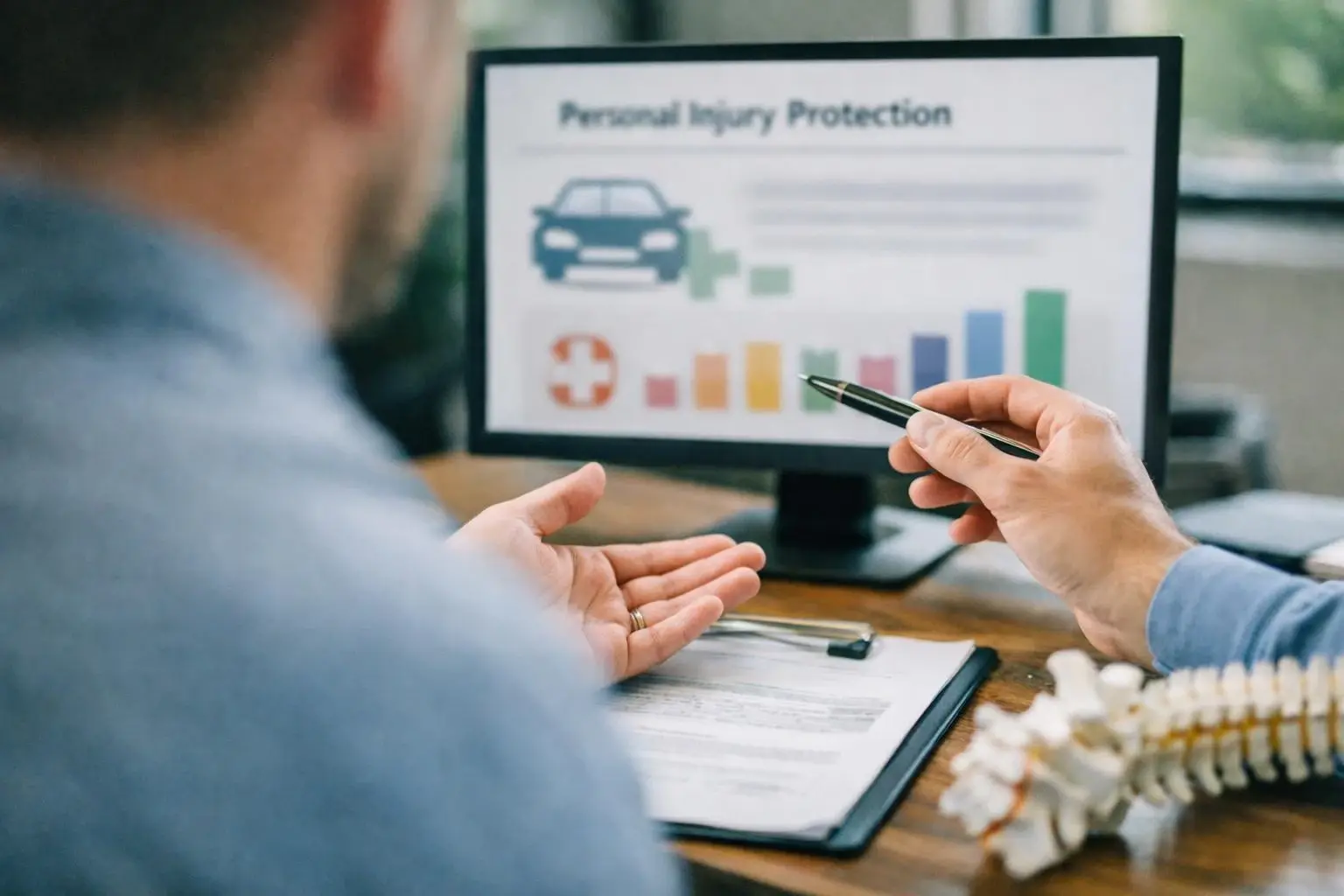
How Personal Injury Protection applies to Chiropractor services in McDonough, United States—practical illustration

Personal Injury Protection matters because it provides financial protection and clear next steps after a car accident. Medical bills can add up quickly, even for minor injuries. And lost wages can create financial strain if the injured person cannot work. PIP helps cover these costs without waiting for fault to be determined, which can take weeks or months in some cases. This is particularly valuable in states with complex insurance laws or high rates of uninsured drivers.

For chiropractic care, PIP can be especially important. Many accident-related injuries, such as whiplash, back pain. Or joint dysfunction, require ongoing treatment that may not be fully covered by health insurance. PIP can help pay for these services, allowing patients to receive the care they need without worrying about out-of-pocket costs. This coverage can also reduce the need for legal disputes over medical bills, as the insurance company handles payments directly.

When Personal Injury Protection Matters Most?

Personal Injury Protection matters most in situations where medical care is needed immediately after a car accident. For example, if someone sustains injuries like whiplash, soft tissue damage. Or nerve compression, PIP can cover the cost of chiropractic adjustments, physical therapy. Or other treatments. It also matters when the injured person cannot work due to their injuries, as PIP can help replace lost income during recovery.

PIP is also valuable in accidents involving pedestrians, cyclists. Or passengers who may not have health insurance. Without PIP, these individuals might struggle to pay for medical care, leading to delayed treatment or financial hardship. And in states with no-fault insurance laws, PIP is often required or strongly recommended to ensure that all parties have access to medical coverage after an accident.

In McDonough, GA, where car accidents can result in injuries requiring chiropractic care, PIP can help patients receive timely treatment without the stress of upfront costs. Understanding how PIP works can help drivers make informed decisions about their insurance coverage and ensure they're protected in the event of an accident.

How to Evaluate Personal Injury Protection?

Related Concepts Compared

Personal Injury Protection vs. Medical Payments Coverage (MedPay)

Medical Payments Coverage. Or MedPay, is another type of auto insurance that covers medical expenses after an accident. Unlike PIP, MedPay has lower limits and does not cover lost wages, essential services. Or funeral costs.

Personal Injury Protection vs. Health Insurance

Health insurance covers medical expenses for illnesses and injuries but may not cover accident-related costs like lost wages or essential services. PIP is designed specifically for car accidents and provides broader coverage for these situations.

Expert Note

Personal Injury Protection can be a lifeline after an accident, especially for injuries like whiplash or back pain that require ongoing chiropractic care. However, policy limits and state rules vary. So it is important to review your coverage to ensure it meets your needs.

Common Mistakes or Myths About Personal Injury Protection

  • Assuming PIP covers property damage, like car repairs, when it only covers medical and related expenses.
  • Confusing PIP with liability insurance, which pays for injuries caused to others, not the policyholder.
  • Believing PIP is mandatory in all states, when it is only required in some no-fault states.
  • Overlooking policy limits, which can leave gaps in coverage if medical expenses exceed the maximum payout.

Personal Injury Protection in Practice: A Real-World Example

After a rear-end collision, Sarah experienced neck pain and headaches. Her Personal Injury Protection coverage paid for her chiropractic visits, X-rays. And lost wages while she recovered. Without PIP, she would have had to pay these expenses out of pocket or rely on her health insurance, which had higher deductibles.

Related Services

Related Terms

Whiplash Associated Disorders

Whiplash Associated Disorders is a group of neck injuries caused by sudden, rapid back-and-forth movement of the head, often from car accidents, sports collisions. Or falls. These disorders include muscle strains, ligament sprains, joint damage. And nerve irritation, leading to pain, stiffness, headaches. And reduced mobility.

Chiropractic

Chiropractic is a healthcare profession focused on diagnosing and treating musculoskeletal disorders, particularly those related to the spine. Chiropractors use hands-on spinal manipulation and other alternative treatments to align the body's musculoskeletal structure, enabling the body to heal itself without surgery or medication. Chiropractic care primarily addresses back pain, neck pain, joint pain. And headaches.

Disc Herniation

Disc Herniation is a spinal condition where the soft inner gel of a spinal disc leaks through a tear in the tougher outer layer, often pressing on nearby nerves. This can cause pain, numbness. Or weakness in the back, legs.

Nerve Compression

Nerve Compression is a condition where a nerve is pressed or squeezed by surrounding tissues, such as bones, muscles, tendons. Or cartilage. This pressure disrupts the nerve’s normal function, often causing pain, numbness, tingling. Or weakness in the affected area. Common sites include the spine, wrists. And elbows. And symptoms may worsen with movement or prolonged pressure.

Spinal Manipulation

Spinal Manipulation is a hands-on technique used by licensed chiropractors and other trained healthcare providers to apply controlled force to joints in the spine. The goal is to improve spinal motion, reduce nerve irritation.

ChiropractorMcDonough.com

Have Questions About Personal Injury Protection?

Contact ChiropractorMcDonough.com for practical guidance on Personal Injury Protection and related chiropractor work in McDonough.

+1 770-637-6261