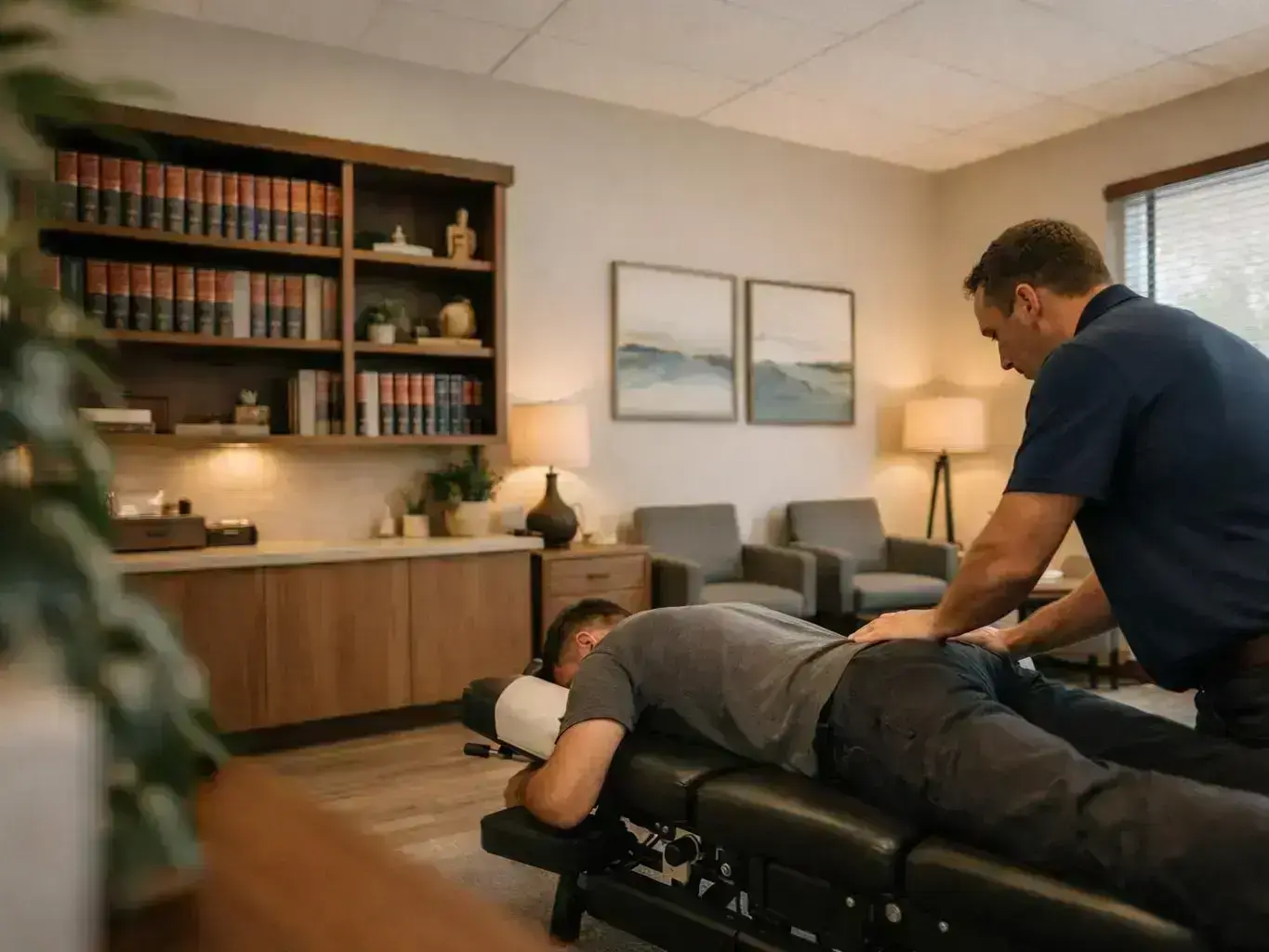
Understanding Decompression Therapy
Decompression Therapy is a treatment method aimed at relieving pain caused by pressure on the spine and nerves. This pressure often results from conditions like herniated discs, degenerative disc disease. Or sciatica. Unlike surgery, which physically removes or repairs damaged tissue, decompression works by gently stretching the spine to create space between vertebrae. This stretching helps pull herniated or bulging disc material back into place, reducing pressure on nerves and improving blood flow to the affected area.
Related glossary terms: Chiropractic, Disc Herniation, Spinal Manipulation.
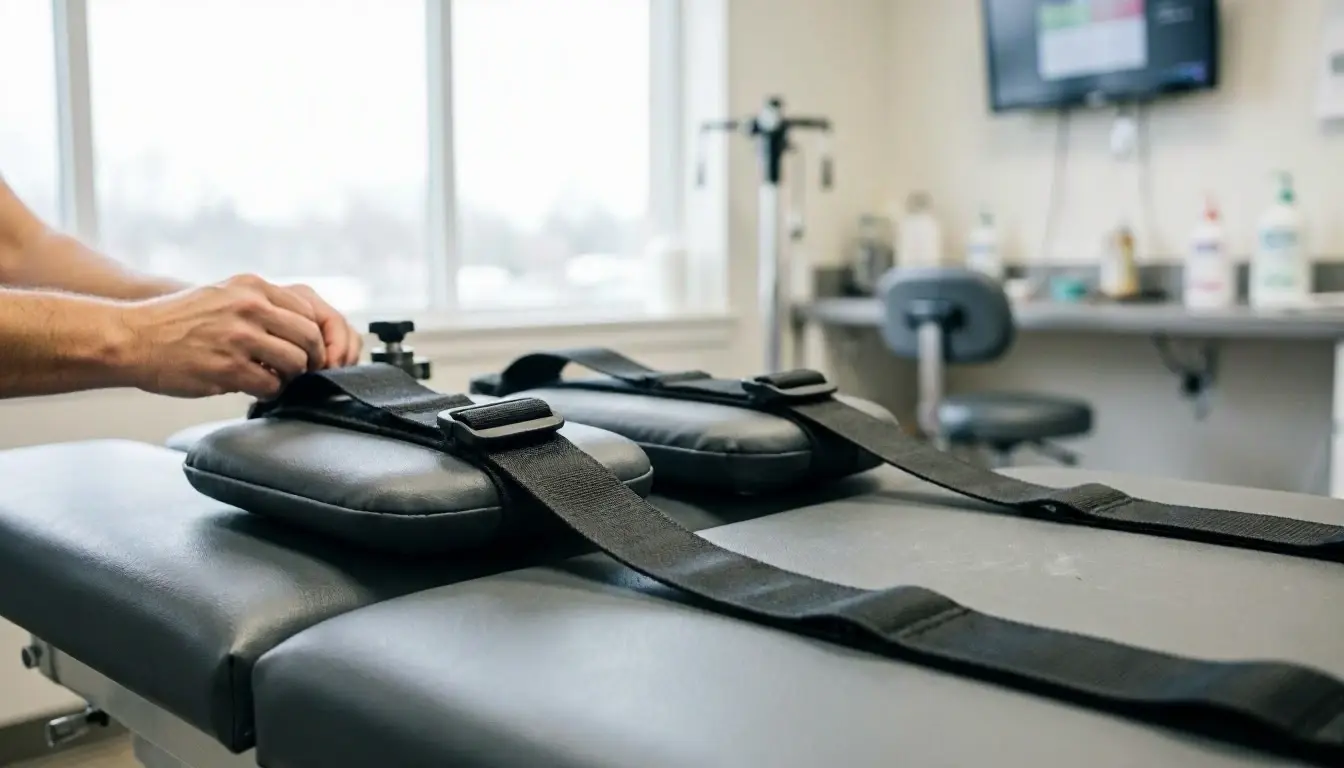
The therapy is typically performed on a specialized table that can be adjusted to target specific areas of the spine. The patient lies comfortably while the table applies a controlled pulling force, followed by periods of relaxation. This cycle is repeated multiple times during a session, usually lasting 20 to 45 minutes. The goal is to create a negative pressure within the spinal discs, which can help draw in nutrients and oxygen, promoting natural healing.
How Decompression Therapy Works?
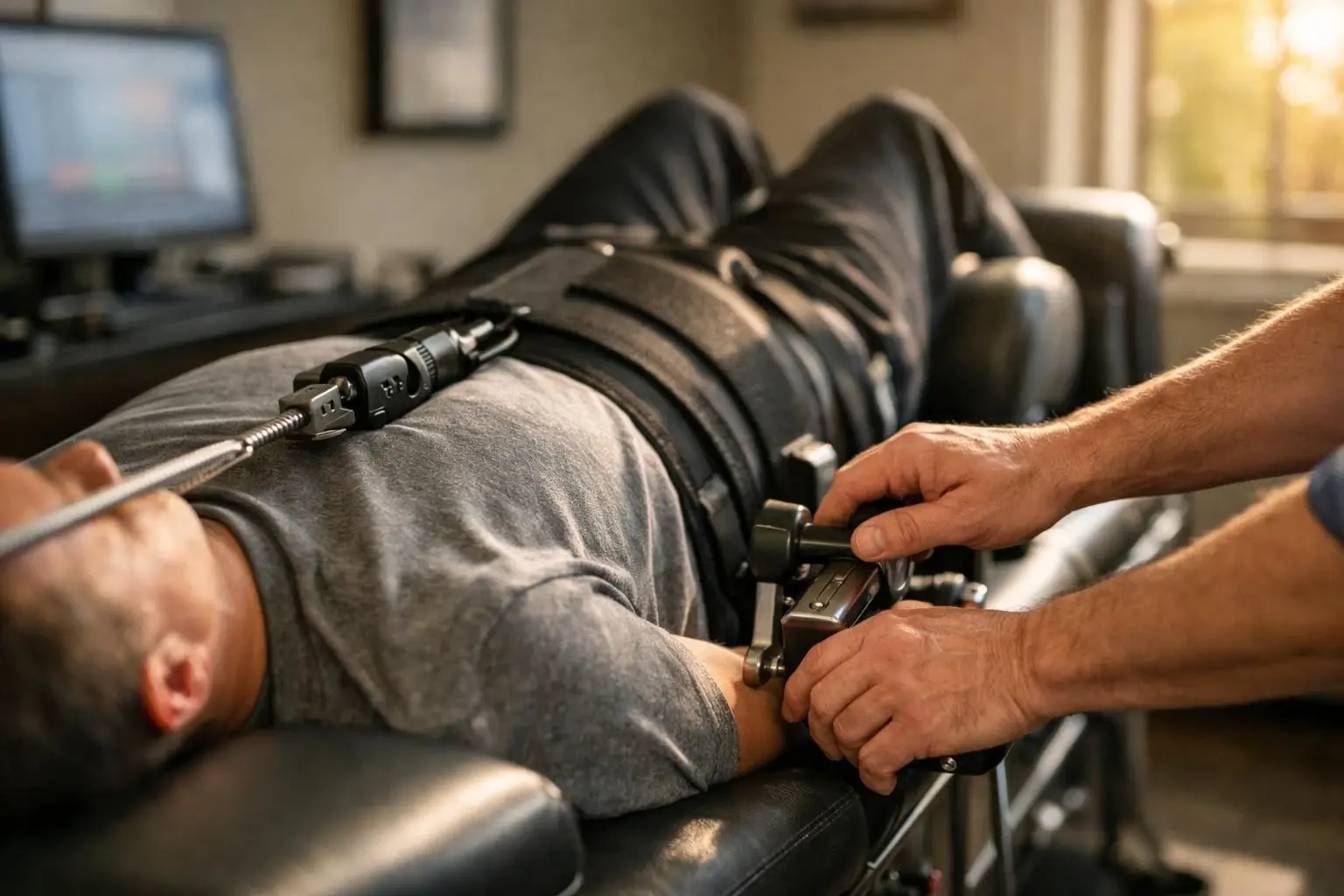
Decompression Therapy works by using a motorized device to apply a precise amount of force to the spine. The device is programmed to alternate between stretching and relaxing the spine in a controlled manner. During the stretching phase, the spine is elongated, which reduces the pressure on the discs and nerves. The result is this negative pressure can help herniated or bulging discs retract, taking pressure off pinched nerves. Over time, this process can reduce pain and improve mobility.
The amount of force and the duration of each stretch are carefully calibrated based on the patient’s condition and tolerance. For example, someone with a severe herniated disc may require a gentler stretch initially. While a person with mild degenerative disc disease might tolerate a stronger pull. The therapy is often combined with other treatments, such as heat therapy, electrical stimulation. Or manual adjustments, to boost its effectiveness. Sessions are typically scheduled over several weeks, with patients often experiencing gradual improvement.
Research suggests that decompression therapy can be particularly effective for conditions like sciatica, where a herniated disc presses on the sciatic nerve. By reducing this pressure, the therapy can alleviate pain, numbness. And tingling that radiates down the legs. It's also used for chronic lower back pain, neck pain. And conditions like spinal stenosis, where the spinal canal narrows and compresses nerves.
Why Decompression Therapy Matters?
Decompression Therapy matters because it offers a non-invasive alternative to surgery for people suffering from spinal conditions. Surgery carries risks, such as infection, complications from anesthesia. And a lengthy recovery period. Decompression Therapy, on the other hand, is outpatient, requires no downtime. And has minimal side effects. For many patients, it provides significant pain relief and improves their quality of life without the need for more aggressive interventions.
A practical next step is Another key benefit of decompression therapy is its ability to promote natural healing. By creating negative pressure within the spinal discs, the therapy encourages the flow of oxygen, nutrients. And fluids into the discs. This can help damaged discs repair themselves over time, reducing the likelihood of recurring pain. And the therapy can improve spinal alignment and flexibility, which may prevent future injuries or flare-ups.
When Decompression Therapy Matters Most?
Decompression Therapy is most beneficial for individuals who have not found relief from conservative treatments like rest, physical therapy. Or medication. It is often recommended for people with chronic back or neck pain, especially if imaging tests like MRIs show disc herniation, bulging discs. Or degenerative disc disease. The therapy is also a good option for those who want to avoid surgery but need more than just pain management.
Patients with conditions like sciatica, spinal stenosis. Or facet joint syndrome may also benefit from decompression therapy. But it is not suitable for everyone. People with severe osteoporosis, spinal fractures, tumors. Or infections should avoid this treatment. And pregnant women and individuals with certain types of spinal implants may not be candidates. A licensed chiropractor or healthcare provider can determine if decompression therapy is appropriate based on a patient’s medical history and current condition.
In McDonough, GA, decompression therapy is commonly used by chiropractors to help patients recover from injuries, manage chronic pain. And improve spinal health. Many residents seek this treatment after car accidents, sports injuries. Or years of poor posture, which can contribute to spinal misalignment and disc problems.