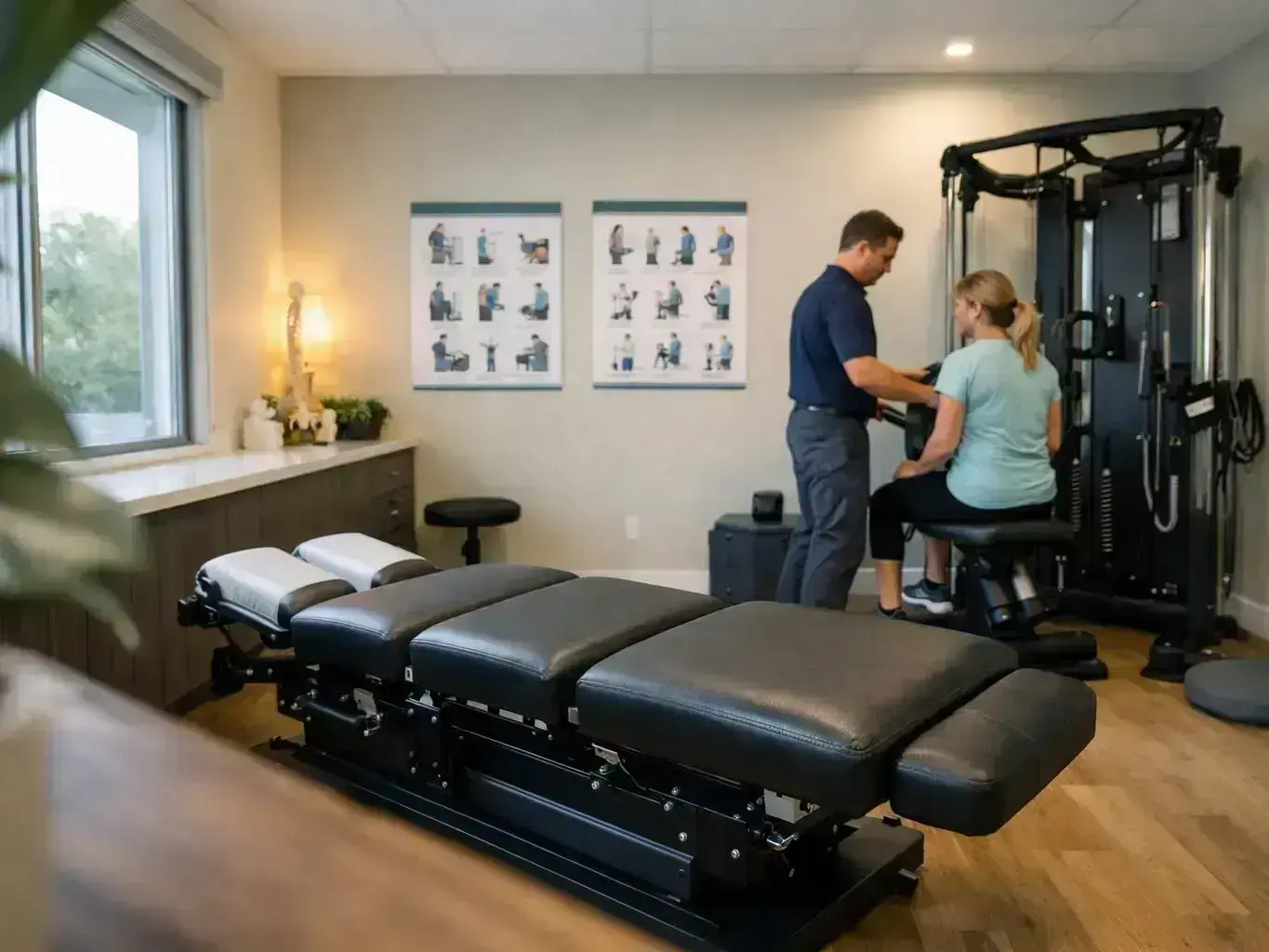
Understanding Orthopedic Testing

Orthopedic Testing refers to a set of physical exams performed by healthcare providers to evaluate the health and function of bones, joints, muscles, nerves. And soft tissues. Unlike imaging tests that show internal structures, orthopedic tests rely on hands-on techniques and specific movements to reproduce symptoms or check for abnormalities. These tests are commonly used in chiropractic care, physical therapy. And sports medicine to diagnose conditions like ligament sprains, muscle strains, disc herniations. Or nerve compression.
Related glossary terms: Chiropractic Adjustment, Joint Dysfunction, Ligament Sprain.
The process is interactive and patient-focused. A provider may ask a patient to bend, rotate. Or resist pressure while observing for pain, weakness. Or limited range of motion. For example, a simple knee test might involve gently pulling on the lower leg to check for ligament stability. These tests are designed to be non-invasive and provide immediate feedback, helping providers narrow down potential causes of discomfort without relying solely on expensive or time-consuming scans.
How Orthopedic Testing Works?
Orthopedic Testing follows a structured approach to isolate and evaluate specific body parts. Providers begin by reviewing a patient’s medical history and symptoms, then perform targeted tests based on the suspected issue. Each test applies controlled stress to a joint, muscle. Or nerve pathway to elicit a response—such as pain, clicking. Or weakness—that indicates a problem. For instance, the Straight Leg Raise test helps identify sciatic nerve irritation by lifting the leg while the patient lies down. While the Lachman test assesses knee ligament integrity by gently shifting the lower leg forward.
The results of these tests are often combined with other findings, such as posture analysis or neurological exams, to form a complete picture of the injury. While orthopedic tests are highly informative, they're not always definitive on their own. Providers may recommend additional imaging or specialist referrals if the results are unclear or suggest a more serious condition. The goal is to gather enough information to create an effective treatment plan custom to the patient’s needs.
Why Orthopedic Testing Matters?
Orthopedic Testing plays a critical role in accurate diagnosis and effective treatment. Without these tests, providers might rely solely on patient descriptions of pain, which can be vague or misleading. For example, knee pain could stem from a ligament tear, cartilage damage. Or referred pain from the hip. Orthopedic tests help distinguish between these possibilities, ensuring that treatment addresses the root cause rather than just masking symptoms. This precision can lead to faster recovery, reduced reliance on pain medication. And lower risk of long-term complications.
Many projects start with And orthopedic tests are cost-effective and accessible. They require no special equipment, making them a practical first step in diagnosing musculoskeletal issues before resorting to imaging tests like MRIs or CT scans. This approach is especially valuable in settings like chiropractic clinics, where providers focus on non-surgical solutions for injuries. By identifying problems early and accurately, orthopedic testing helps patients avoid unnecessary procedures and return to daily activities sooner.
When Orthopedic Testing Matters Most?
Orthopedic Testing is particularly important in situations where an injury’s cause is unclear or multiple issues may be involved. Common scenarios include car accidents, sports injuries, workplace incidents. Or chronic conditions like arthritis. For example, a patient with neck pain after a car accident might undergo tests to rule out whiplash, disc herniation. Or nerve damage. Similarly, an athlete with shoulder pain could be evaluated for rotator cuff tears, joint instability. Or muscle imbalances. These tests help providers determine whether the injury requires rest, rehabilitation. Or further medical intervention.
Orthopedic Testing is also valuable for tracking progress during treatment. Repeating tests over time allows providers to monitor healing, adjust therapies. And confirm when a patient is ready to resume normal activities. For instance, a patient recovering from a knee sprain might retake the Lachman test to ensure the ligament is healing properly. This ongoing assessment helps prevent re-injury and ensures that treatment remains effective as the patient’s condition evolves.