Glossary

What is Adjustment?

Adjustment is a controlled, manual force applied by a chiropractor to a specific joint in the spine or other body part to restore proper motion, reduce pain. And improve function. Adjustments are typically quick, precise movements that may produce a popping sound due to gas releasing from the joint fluid.

Reviewed by ChiropractorMcDonough.comSources reviewed: American Chiropractic Association, National Center for Complementary and Integrative Health

Quick Facts About Adjustment

Category

Chiropractic technique

Used for

Joint pain, stiffness, headaches. And nerve-related issues

Common confusion

Often mistaken for massage or cracking joints without professional guidance

Also called

Spinal adjustment, Chiropractic manipulation

Often discussed with

Chiropractic Consultation and Diagnosis, Whiplash Injury Treatment

Key Takeaways About Adjustment

Understanding Adjustment

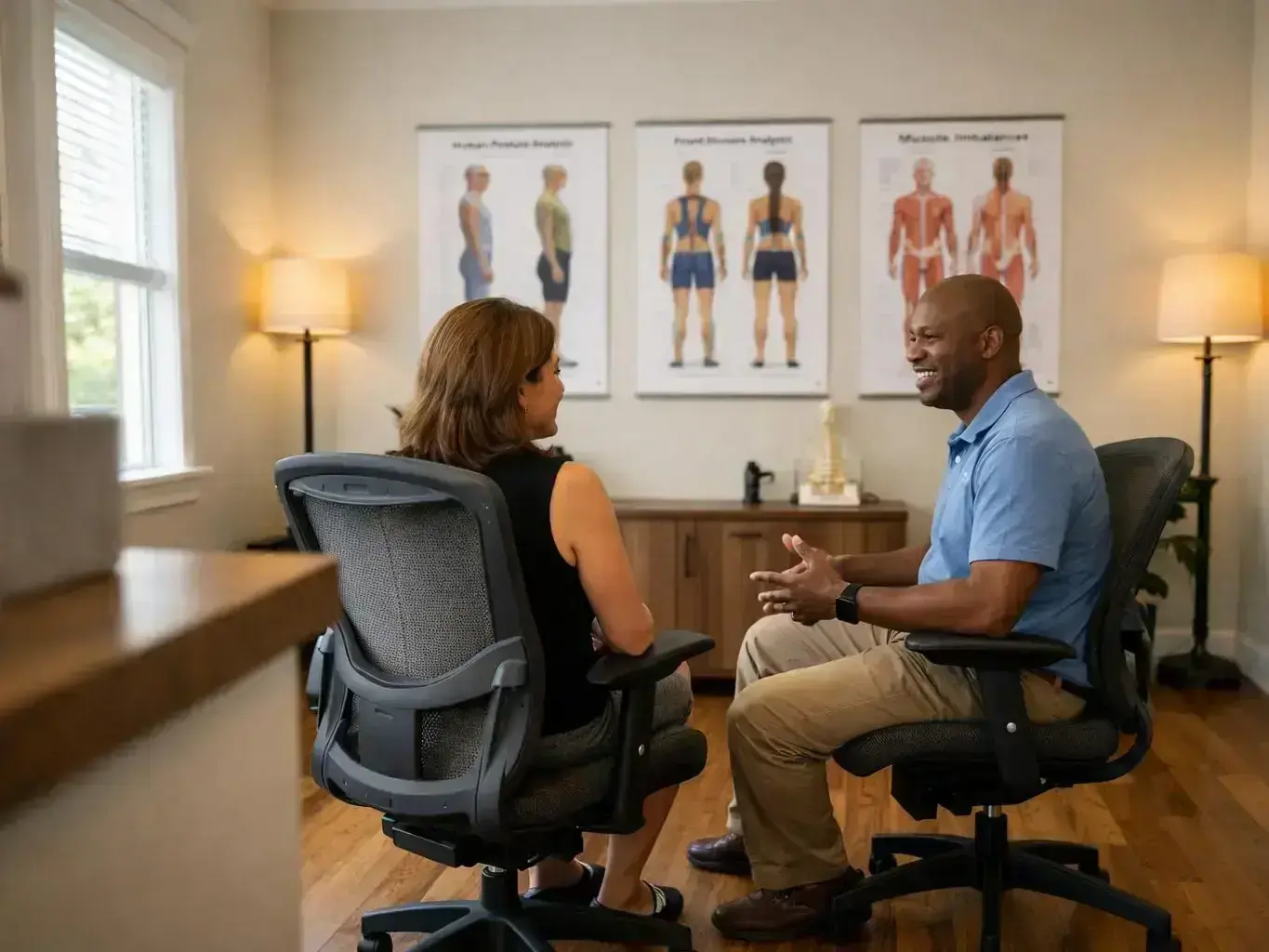
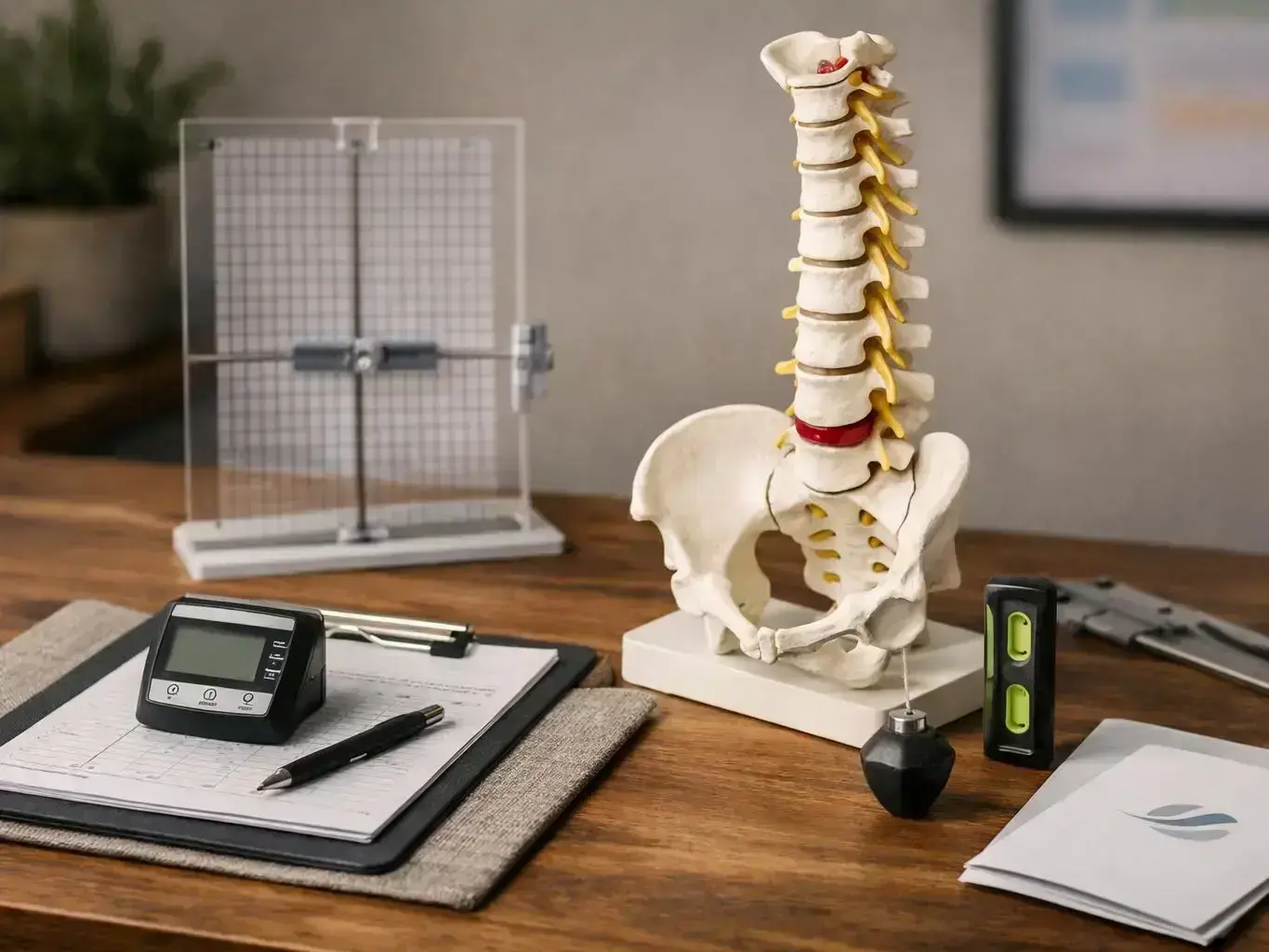
Adjustment in Chiropractor: Adjustment is a controlled, manual force applied by a chiropractor to a—visual guide

A chiropractic adjustment is a key part of care. It's also called spinal manipulation.

Related glossary terms: Chiropractic, Spinal Manipulation, Joint Dysfunction.

This move puts a quick, safe force on a joint. It's usually done on the spine. It helps fix alignment and movement.

The goal is to help joints move right. It also cuts nerve irritation and eases pain.

Only licensed chiropractors do adjustments. They check joints with exams and posture tests. Sometimes they use pictures.

Adjustments mostly help the spine. But they can also help shoulders, knees. Or wrists.

The way they do it changes. It depends on age, health. And comfort. Some moves are gentle. Others use a quick push.

You might hear a pop or crack. This is called cavitation (a noise from gas bubbles). It's like cracking your knuckles.

How Adjustment Works?

Adjustments fix joints that don't work right. This is called joint dysfunction.

Bad alignment can bother nerves and muscles. It can cause pain or stiffness. It can also limit how much you can move.

The chiropractor finds these joints. They use touch, tests. And what you tell them.

Then they move you into place. They give a quick, aimed push. This puts the joint back where it should be.

The push is just enough. It won't hurt you. Chiropractors train a lot to learn these moves.

They use different ways to adjust. These include the Diversified Technique (a common method). They might also use the Thompson Technique (using a special table).

Or they might use the Gonstead Method (a detailed way to adjust). Some use hands. Others use tools like an activator (a gentle-push device).

The way they choose depends on you. It also depends on the joint and the chiropractor's call.

After an adjustment, many feel better right away. Some feel a little sore, like after exercise. This soreness goes away in a day.

Adjustments are not a one-time fix. Most problems need more visits to stay better.

You might also get exercises or tips. These help keep your joints healthy.

Why Adjustment Matters?
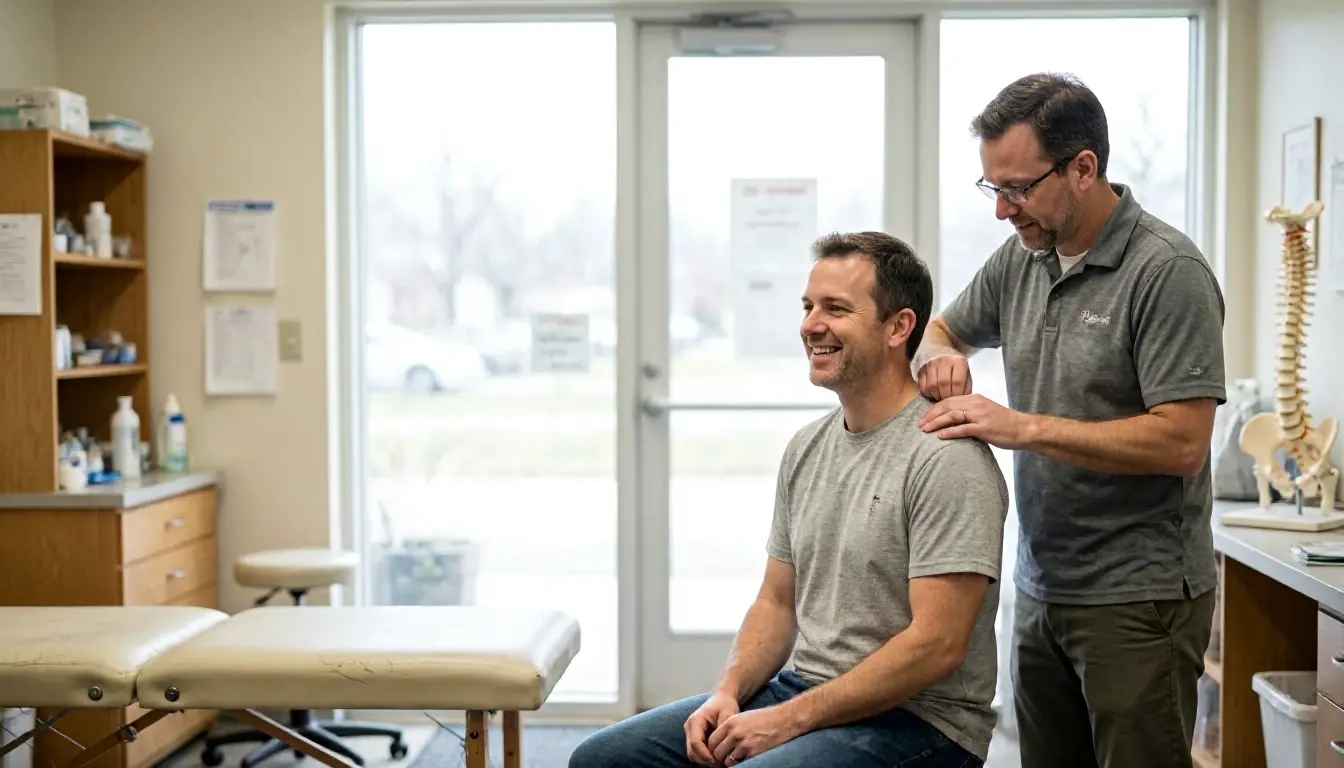
How Adjustment applies to Chiropractor services in McDonough, United States—practical illustration

Adjustments help with muscle and joint problems. They don't need medicine or surgery.

For many, they are safe. They cut pain and help you move better. They can also help you feel good overall.

Studies show they work for back pain, neck pain. And headaches. Many doctors and healers accept them.

They also help nerves work better. They do this by easing pressure on spinal nerves.

This matters for things like sciatica (leg pain from a pinched nerve). A crooked bone can squeeze a nerve.

Adjustments put joints back in place. This helps the body heal on its own.

It also helps keep good posture. This can stop future hurts.

Athletes like adjustments too. They help joints move well. That can boost performance.

When Adjustment Matters Most?

Adjustments help most if joints hurt or feel stiff. They also help if you can't move well.

This can happen after an injury. It can also happen from overuse or bad posture.

People often get them after car accidents. They also get them for long-term back pain. Or for headaches from neck strain.

They help with stress injuries too. Office workers get them. So do people who lift heavy things.

Some problems get better fast with adjustments. These include disc herniations (when a disc bulges). They also include whiplash (neck injury from a sudden jerk).

Osteoarthritis (joint wear) can also get better. But adjustments aren't for everyone.

People with very weak bones may need a gentler touch. So might those with spinal cord issues or some diseases.

A chiropractor will check if adjustments are safe for you.

In McDonough, GA, many get adjustments. They help with work or sports injuries. They also help with joint wear from age.

Local chiropractors know the needs here. They help construction workers with back strain. They also help office workers with neck pain.


How to Evaluate Adjustment?

Related Concepts Compared

Adjustment vs. Spinal Manipulation

Spinal manipulation is a broader term that includes any manual therapy to the spine. While adjustment specifically refers to a chiropractic technique using controlled force to correct joint alignment.

Adjustment vs. Massage Therapy

Massage therapy focuses on soft tissues like muscles and tendons, whereas adjustments target joints and bones to improve motion and alignment.

Expert Note

Adjustments are highly individualized. A technique that works well for one patient may not suit another. Always communicate discomfort or concerns during the session so the chiropractor can adjust their approach.

Common Mistakes or Myths About Adjustment

  • Assuming adjustments are only for the spine; they can be used on other joints like shoulders or knees.
  • Believing the popping sound is necessary for an adjustment to work; some techniques are silent.
  • Expecting instant, permanent results; most conditions require multiple sessions.
  • Confusing adjustments with cracking your own back, which lacks precision and can cause injury.

Adjustment in Practice: A Real-World Example

After a minor car accident, a McDonough resident visits a chiropractor for neck pain. The chiropractor performs a physical exam and identifies restricted movement in the cervical spine. Using a gentle adjustment technique, the chiropractor applies a quick thrust to the affected joint, restoring proper alignment. The patient feels immediate relief and follows up with exercises to prevent stiffness.

Related Services

Related Terms

Chiropractic

Chiropractic is a healthcare profession focused on diagnosing and treating musculoskeletal disorders, particularly those related to the spine. Chiropractors use hands-on spinal manipulation and other alternative treatments to align the body's musculoskeletal structure, enabling the body to heal itself without surgery or medication. Chiropractic care primarily addresses back pain, neck pain, joint pain. And headaches.

Spinal Manipulation

Spinal Manipulation is a hands-on technique used by licensed chiropractors and other trained healthcare providers to apply controlled force to joints in the spine. The goal is to improve spinal motion, reduce nerve irritation.

Joint Dysfunction

Joint Dysfunction is a condition where a joint in the body does not move correctly or loses its normal range of motion. This can cause pain, stiffness, swelling. Or reduced function in the affected area. Joint Dysfunction often results from injury, overuse, poor posture. Or underlying health issues like arthritis. It can occur in any joint, including the spine, shoulders, hips, knees.

Diversified Technique

Diversified Technique is the most widely used chiropractic adjustment method. It involves hands-on, high-velocity, low-amplitude thrusts to specific joints, particularly in the spine, to restore proper alignment, improve mobility. And reduce pain. Diversified Technique is tailored to each patient’s unique needs and is backed by extensive clinical training and research.

Chiropractic Adjustment

Chiropractic Adjustment is a precise, hands-on procedure performed by a licensed chiropractor to restore proper movement and alignment to joints, especially in the spine. It involves applying controlled force to a specific joint to reduce pain, improve function. And support the body’s natural healing process. Adjustments are tailored to each patient’s condition and health goals.

ChiropractorMcDonough.com

Have Questions About Adjustment?

Contact ChiropractorMcDonough.com for practical guidance on Adjustment and related chiropractor work in McDonough.

+1 770-637-6261