Understanding Posture Correction

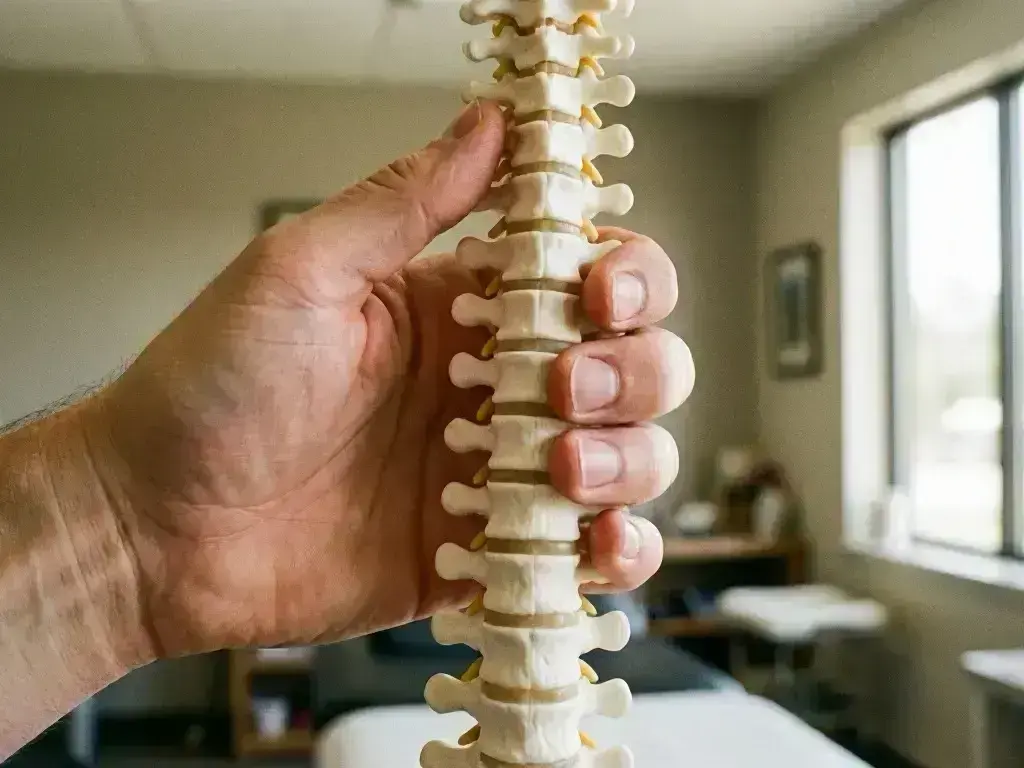
Posture Correction helps align the spine and body. It reduces stress on muscles, joints. And ligaments.
Poor posture comes from bad habits. Slouching or hunching can hurt your body. Sitting too long or using phones causes this.
Heavy bags can also cause problems. These habits create imbalances over time. They lead to pain in the neck, back. Or hips.
Posture Correction fixes these imbalances. It teaches your body to stay in a neutral position. This position supports your spine.
Good posture spreads your weight evenly. This reduces strain on any one area. Your body stays balanced this way.
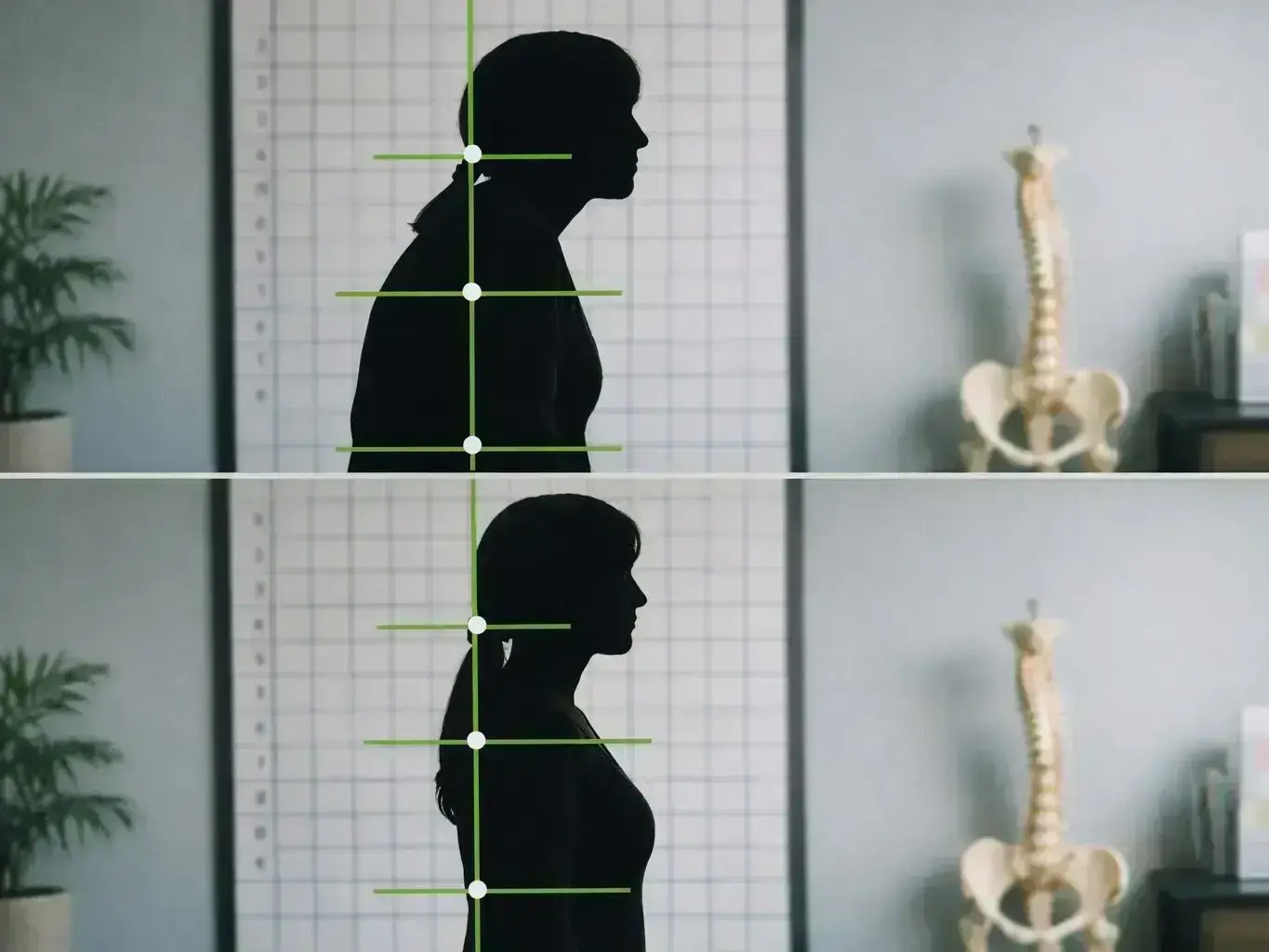
When standing, your ears, shoulders. And hips should line up. Your ankles should also be in this line. This keeps you straight.
When sitting, keep feet flat on the floor. Knees should be at hip level. Your chair should support your back.
Posture Correction helps you spot bad habits. It teaches you to fix them. You can do this with exercises and stretches.
Ergonomic changes also help. Raise your computer screen to eye level. Use a cushion for your lower back.
How Posture Correction Works?
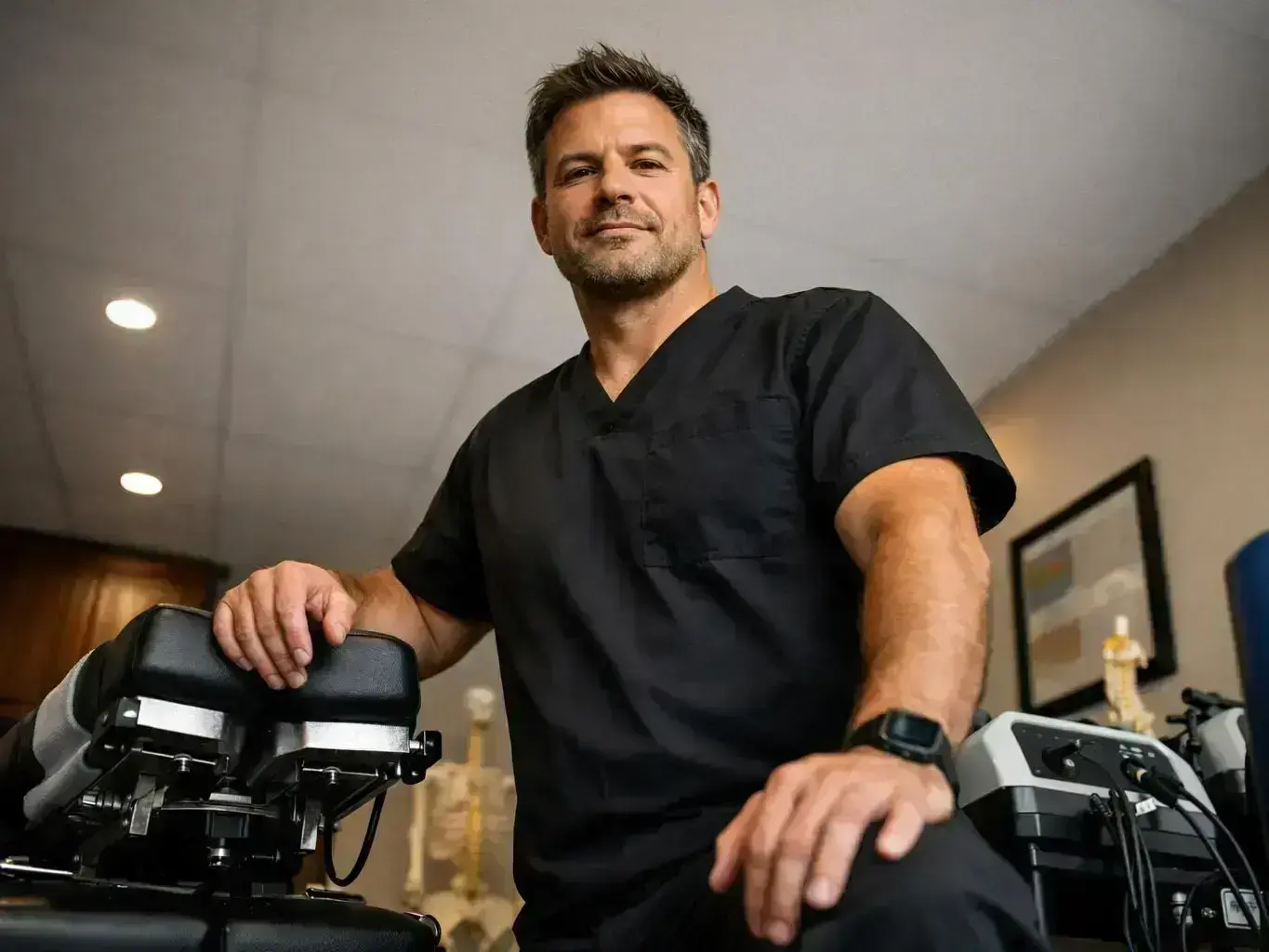
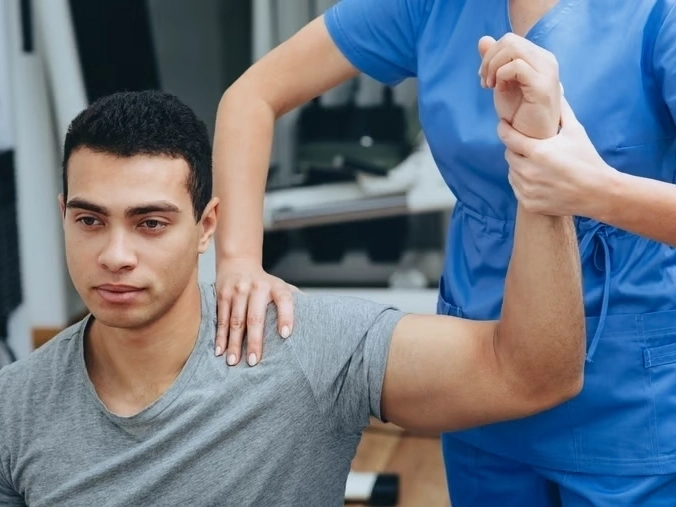
Posture Correction starts with an assessment. A chiropractor or therapist checks your posture. They watch how you stand, sit. Or move.
They look for areas of strain. Common issues include forward head posture. Rounded shoulders or arched back are also problems.
After finding issues, they make a plan. The plan often includes exercises. It may also have manual adjustments and lifestyle changes.
Exercises for Posture Correction help too. They strengthen weak muscles. They also stretch tight ones.
Chest stretches help rounded shoulders. Core exercises support your lower back. These keep your body aligned.
Ergonomic changes help daily alignment. Raise your computer screen. Use a lumbar support cushion.
Sometimes, chiropractic adjustments help. They realign the spine. This relieves pressure on nerves.
Consistency is key for Posture Correction. Small changes help a lot over time. Set reminders to stand or stretch.
Tools like posture correctors can help. Wearable devices give feedback. But they work best with exercises.
Why Posture Correction Matters?
Poor posture doesn't just cause pain. It can lead to long-term health problems. Misalignments strain muscles and joints.
This increases risks of chronic pain. It can cause disc herniation (a slipped disc). Arthritis (joint pain) can also develop.
Forward head posture is common. It happens when you use phones a lot. This adds 30 pounds of pressure on your neck.
Over time, this causes headaches. Shoulder pain can also happen. Nerve damage is another risk.
Good posture helps breathing. Your lungs have more space. This lets you take deeper breaths.
Proper alignment helps digestion. It reduces pressure on organs. This can ease acid reflux.
Good posture boosts confidence. It reduces muscle strain. This keeps your energy levels high.
When Posture Correction Matters Most?
Posture Correction helps people who sit a lot. Office workers, drivers. And students need this. Sitting too long weakens core muscles.
It also tightens hip muscles. This can tilt your pelvis forward. Lower back pain often follows.
Jobs with repetitive movements cause problems. Lifting or bending can hurt posture. Athletes also benefit from Posture Correction.
It helps prevent injuries. It also improves performance. This keeps athletes safe and strong.
Posture Correction helps after injuries. Whiplash from car accidents is one example. Back surgery recovery is another.
Your body may compensate for pain. This can lead to poor alignment. Fixing this early speeds up recovery.
Someone with a slip-and-fall injury may limp. They might favor one side. This can cause long-term posture problems.
Children need Posture Correction too. Heavy backpacks can hurt them. Too much screen time is also bad.
Growth spurts affect posture. Teaching good habits early helps. This prevents pain in adulthood.
Parents and teachers can help kids. Encourage breaks from screens. Teach proper backpack use.
Regular physical activity helps too. This supports healthy posture. It keeps kids strong and aligned.