Understanding Graston Technique
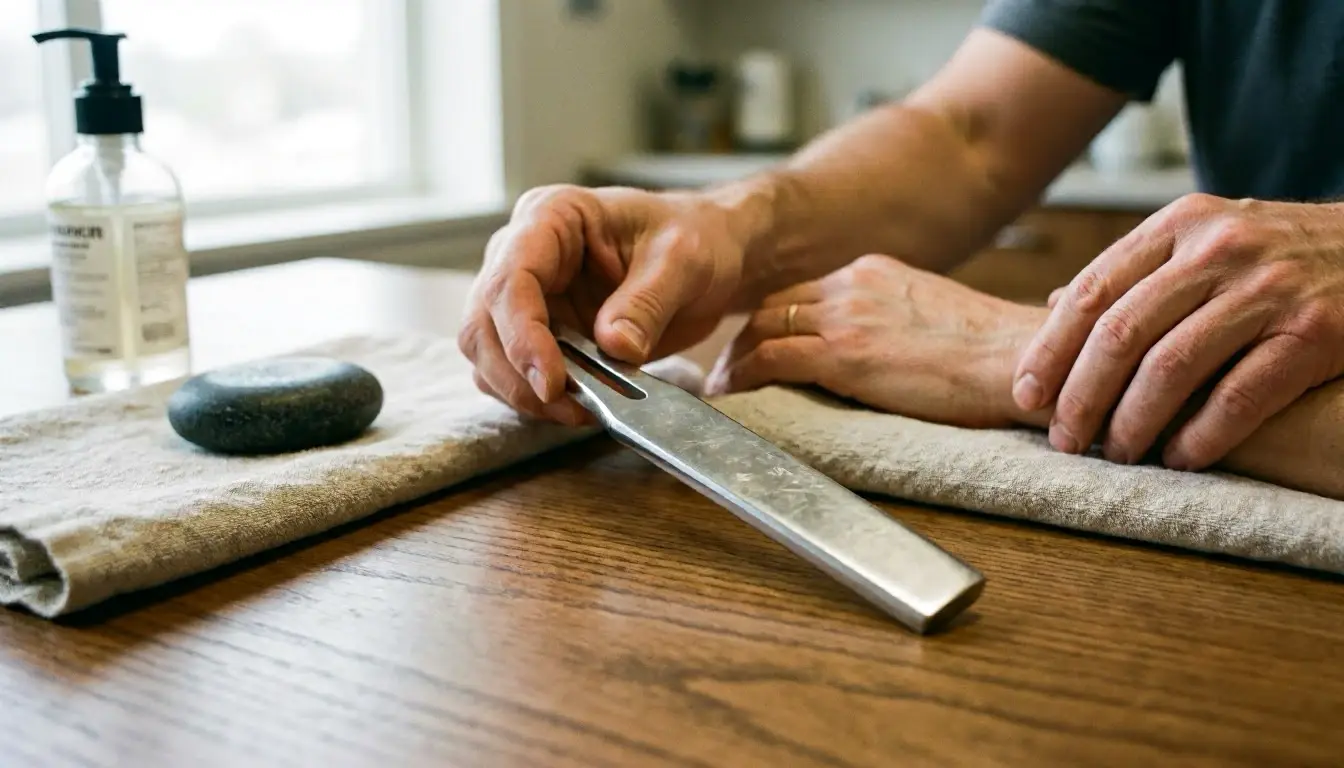
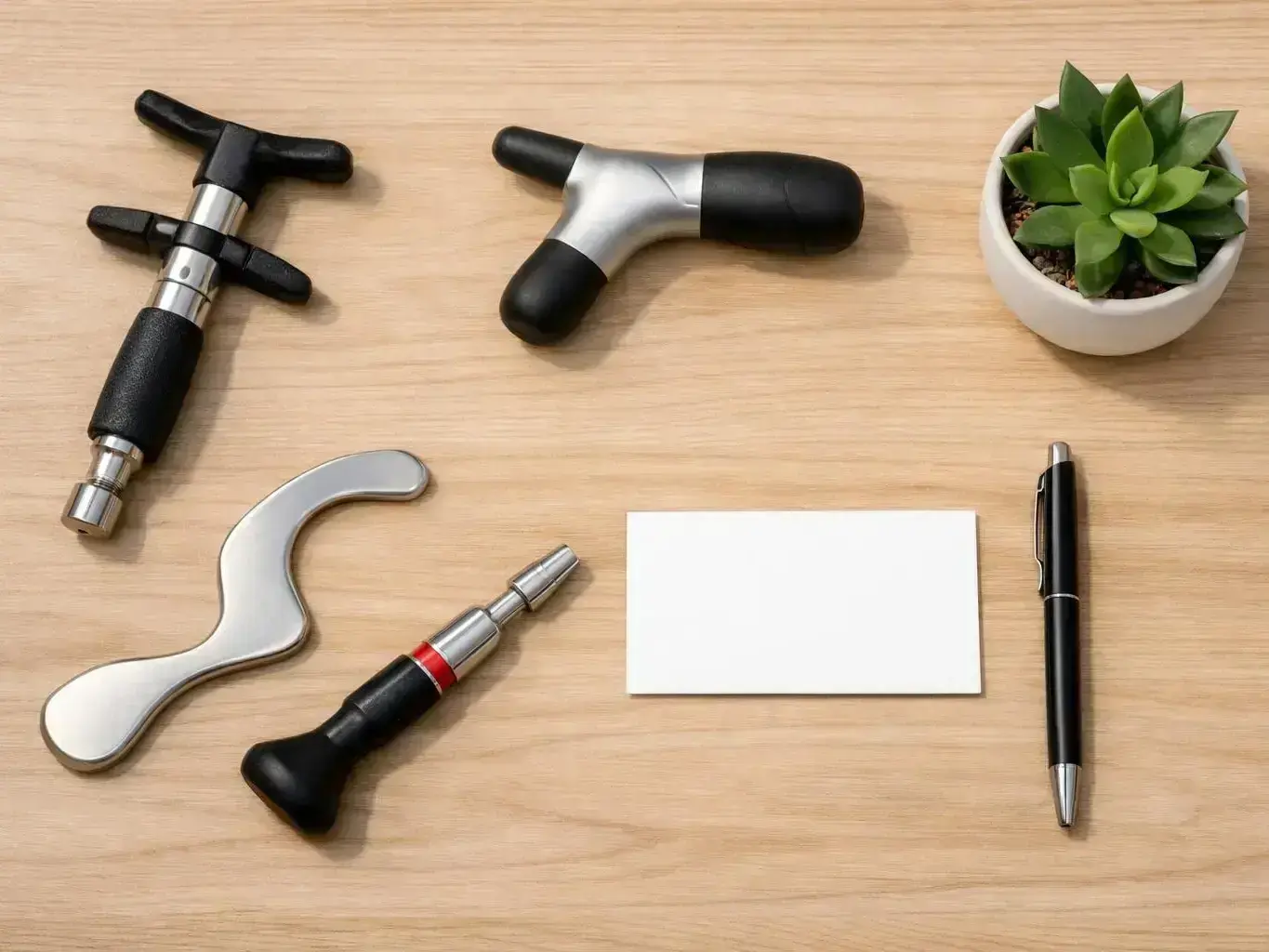
Graston Technique is a way to treat injuries. It uses metal tools made of steel.
The tools help find tight spots or scars. These spots can cause pain or stiffness.
This method is different from massage. It uses light pressure to break up tight areas.
This helps your body heal itself. The tools are shaped to fit your body.
Providers can reach specific spots. They often use it with other treatments.
Other treatments may include stretching or exercises. It can also work with chiropractic care.
The tools may seem odd. But they glide over your skin safely.
How Graston Technique Works?
Graston Technique works by gently hurting the sore spot. This is called microtrauma (a small injury).
The tools find tight or scarred areas. Then they break up the tight spots.
This helps blood flow to the area. More blood can reduce swelling.
It also helps heal hurt tissues. The treatment wakes up your nerves too.
This can lessen pain. It may help you move better.
Each session lasts 10 to 15 minutes. You may need more than one session.
The provider rubs the tools on the sore spot. You might feel some discomfort.
This happens if the area is tight or swollen. The feeling doesn't last long.
After, you may do stretches or exercises. These help keep the benefits.
- Detection: The tools find tight or scarred spots.
- Treatment: They break up tight spots. This helps blood flow.
- Healing: Your body fixes the small injury. This helps heal the area.
Why Graston Technique Matters?
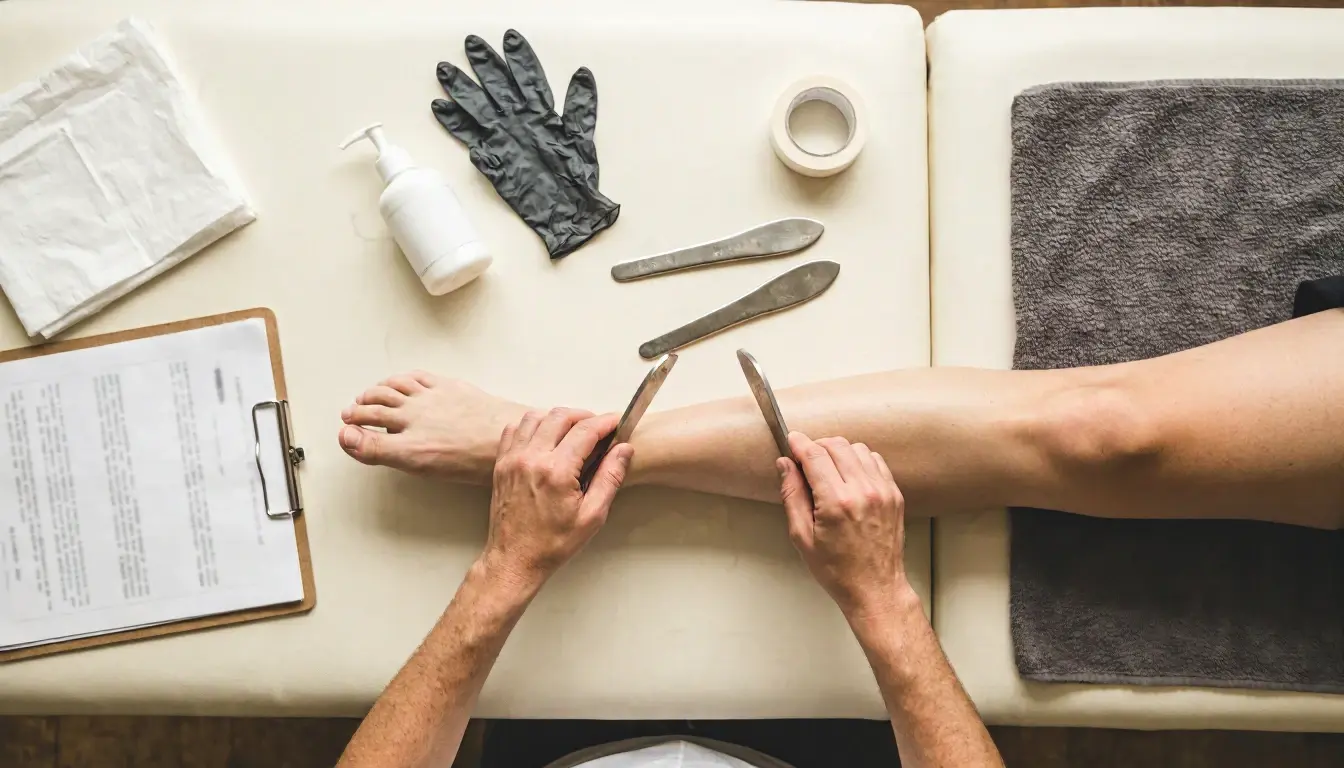
Graston Technique helps with injuries. It doesn't need surgery or shots.
Some injuries don't get better with rest or ice. This method can help those.
Scars or tight spots cause pain. They can happen after injuries or surgeries.
This method breaks up those spots. Then you can move better.
It can also lessen pain. You can go back to daily tasks faster.
Athletes like this method. It helps with overuse injuries.
These include tendonitis or muscle strains. It works with other treatments too.
Providers can mix it with other care. This helps make a plan just for you.
It can also stop future injuries. It keeps your tissues healthy.
When Graston Technique Matters Most?
Graston Technique helps with many injuries. It works on scars, swelling. Or tight spots.
It can help after sports injuries. It also helps after surgery.
It works for long-term problems too. These include foot pain or elbow pain.
It can also help with wrist pain. This is called carpal tunnel (a nerve problem).
It helps with injuries from doing the same task. These happen at work or on computers.
But it's not for everyone. Some people shouldn't use it.
Those with open wounds or infections can't use it. People with weak bones shouldn't either.
Providers check you first. They make sure it's safe for you.
When used right, it helps a lot. It's part of a full treatment plan.
This plan helps you move better. It also lessens pain.
- Sports injuries: Helps with sprains, strains. Or tendon pain.
- Post-surgical care: Breaks up scars after surgery.
- Chronic conditions: Helps with foot pain or wrist pain.
- Repetitive strain: Helps with injuries from doing the same task.