Understanding Functional Movement Screen
FMS checks how well you move. It looks at seven basic moves. These moves are things like squatting or reaching.
Each move gets a score from 0 to 3. Low scores show what needs work. The test does not find medical problems.
It shows movement issues. These issues may cause injuries. They can make daily tasks harder.
Physical therapists and coaches made FMS. They use it in sports and rehab. It helps find the real cause of movement problems.
For example, knee pain may come from the hip. It may also come from the ankle. The lunge test can show this.
FMS gives a big-picture view. This helps stop injuries. It also helps improve performance.
How Functional Movement Screen Works?
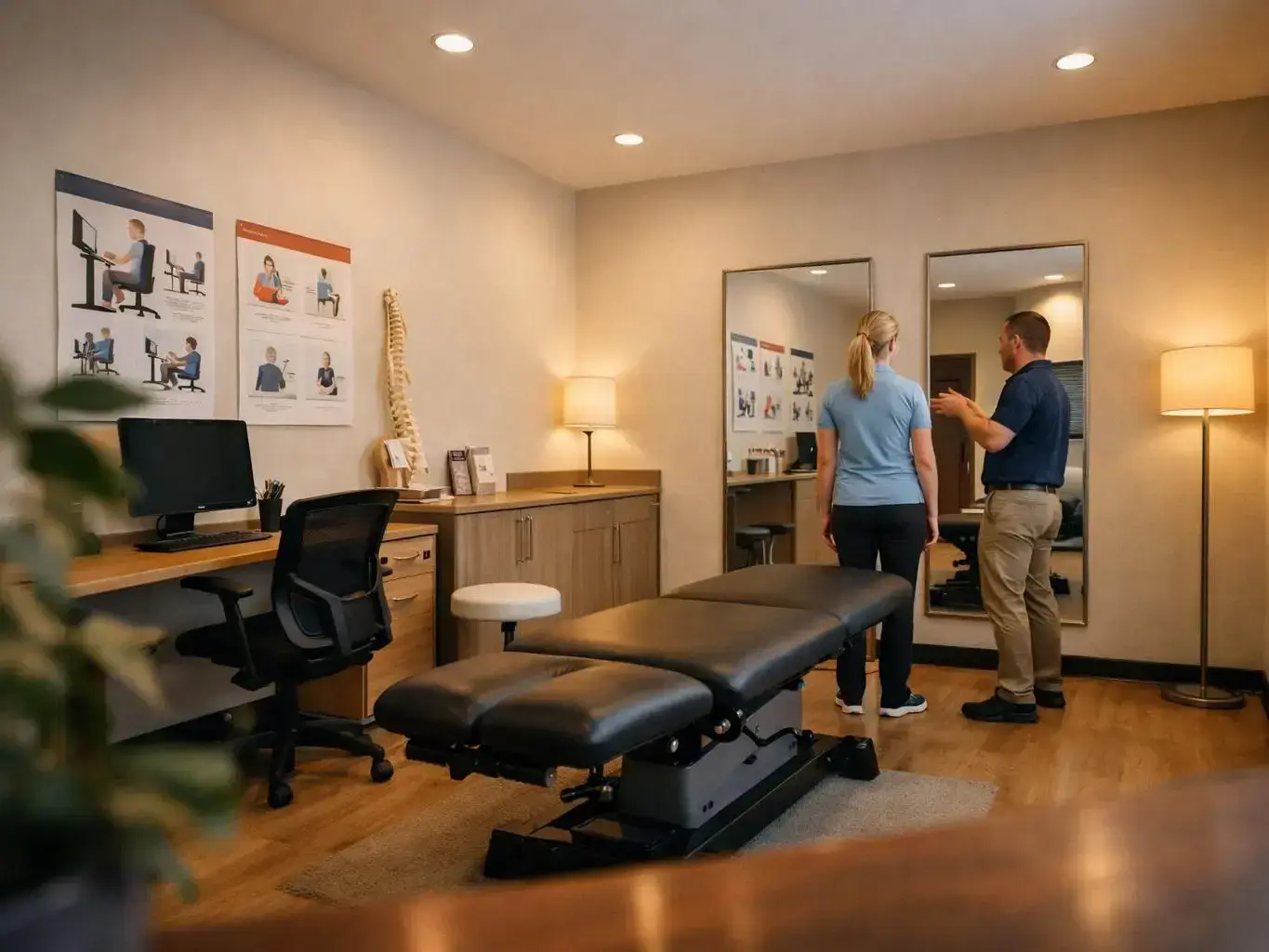
The screen takes 10-15 minutes. It has seven moves. These moves are things like squats and lunges.
Each move gets a score. A 3 means perfect form. A 2 means small issues.
A 1 means big issues. A 0 means pain. The total score goes from 0 to 21.
A score of 14 or less means higher injury risk. After scoring, the pro looks for patterns.
Low scores on some tests may show weak core. They may also show poor balance. The results help make a plan.
The plan may include stretches. It may have strength exercises. It may also have chiropractic care.
Later screens check progress. They help change the plan. FMS is simple but needs proper training.
Why Functional Movement Screen Matters?
Movement helps us every day. It helps in sports and work. Bad movement can cause injuries.
These injuries can be sprains or strains. They can cause long-term pain. FMS finds these issues early.
It stops problems before they start. For athletes, it finds weak spots. These spots can hurt performance.
They can cause injuries that end a season. For workers, it finds risks. These risks can cause injuries at work.
FMS also helps long-term health. Fixing movement problems helps posture. It reduces joint wear.
It makes activities easier. It also makes them more fun. FMS gives a starting point.
You can track progress over time. This helps with recovery. It helps with training for sports.
It helps people stay active as they age. FMS looks at the whole body. It helps people move and feel better.
When Functional Movement Screen Matters Most?
FMS helps when movement affects health. It helps with safety and performance. Athletes use it before a season.
It finds weak spots. These spots can cause injuries. People recovering from injuries use it too.
It tracks progress. It makes sure they can return safely. Workers use it to stop injuries.
Their jobs may need lifting or bending. FMS helps anyone starting exercise. It helps if they had injuries before.
Older adults use it too. It helps them stay mobile. It reduces fall risks.
Even people without pain can use it. FMS finds hidden issues. These issues may cause problems later.
Regular screens track changes. They help adjust training. They help adjust habits as needed.