Understanding Extremity Adjusting

Extremity adjusting is a special way chiropractors fix joints. It helps shoulders, hips, knees. And ankles.
Most people think chiropractors only fix backs or necks. But this method works on arms and legs too.
Joints can move out of place. This happens from injuries, overuse. Or bad posture. It can also happen over time.
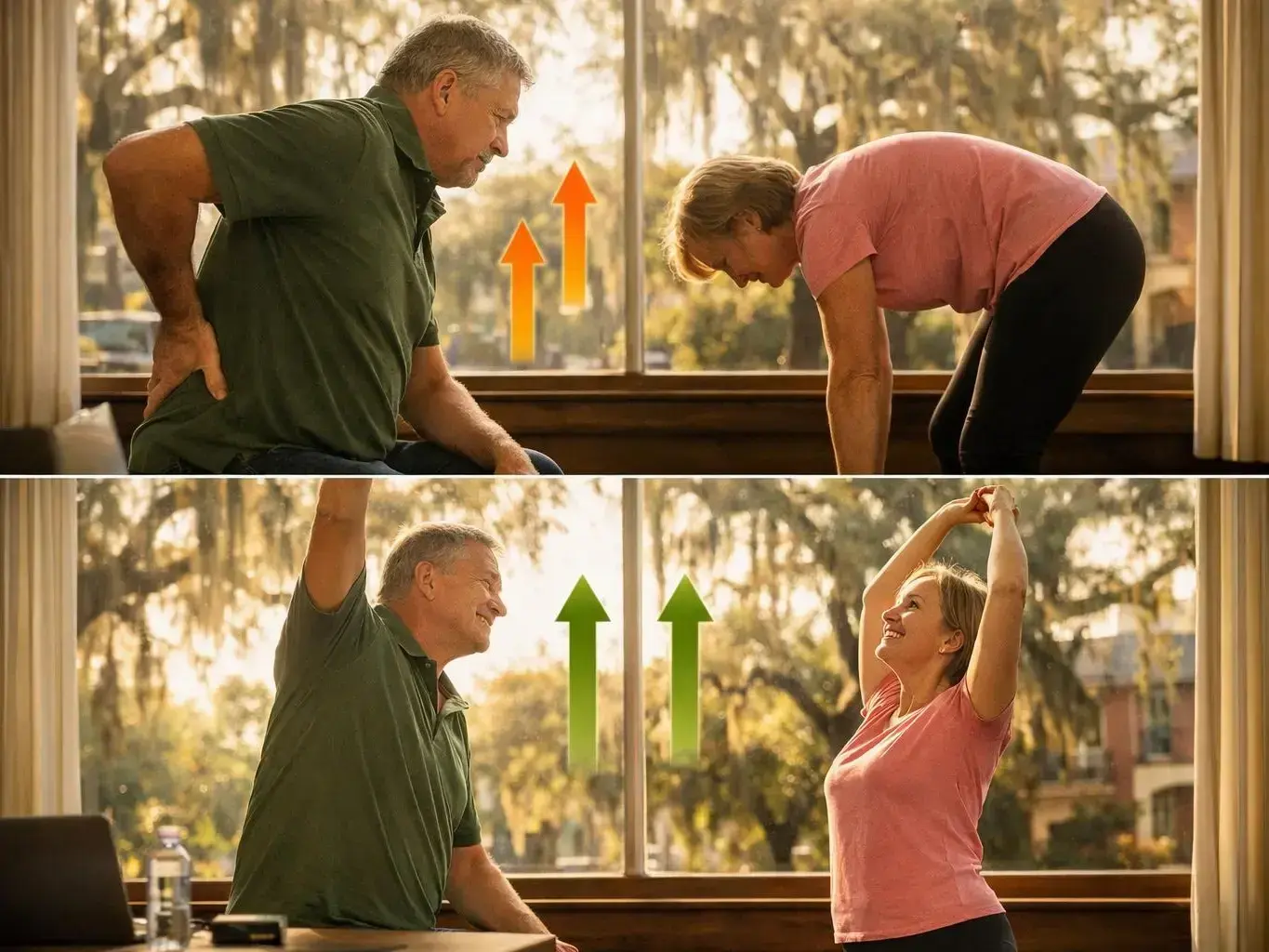
When joints are out of place, they hurt. They feel stiff. They don't move right.
Extremity adjusting puts joints back where they belong. This helps your body work better. It also helps your body heal.
This method helps people with joint pain. Pain can come from sports, work. Or doing the same thing over and over.
A runner with knee pain might feel better. So might someone with wrist pain from typing.
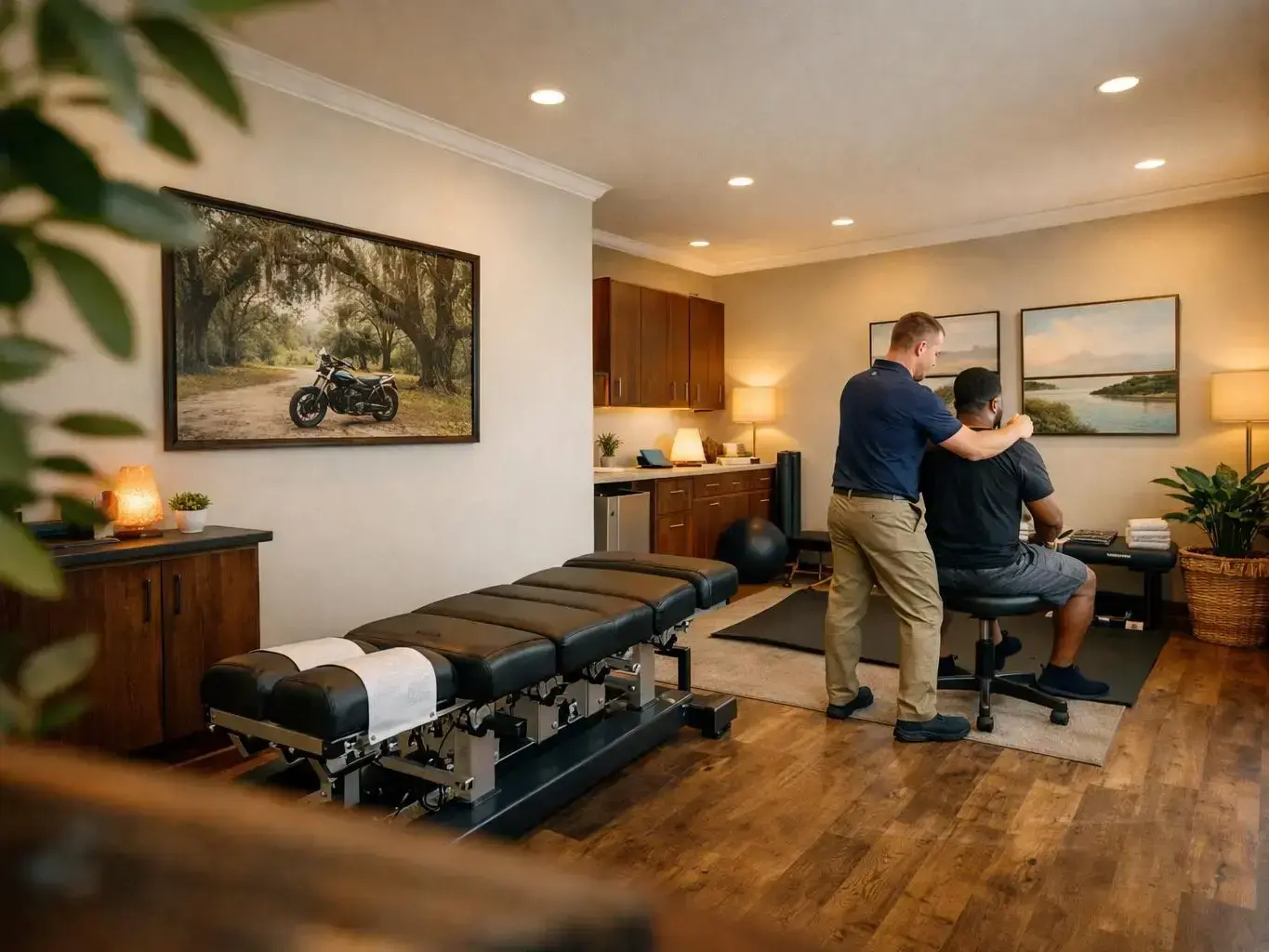
Chiropractors check how joints move. They see how much it hurts. Then they fix what's out of place.
The fixes are gentle. They fit what each person needs. This makes it good for all ages.
How Extremity Adjusting Works?
Extremity adjusting uses controlled pushes. These pushes move joints back into place.
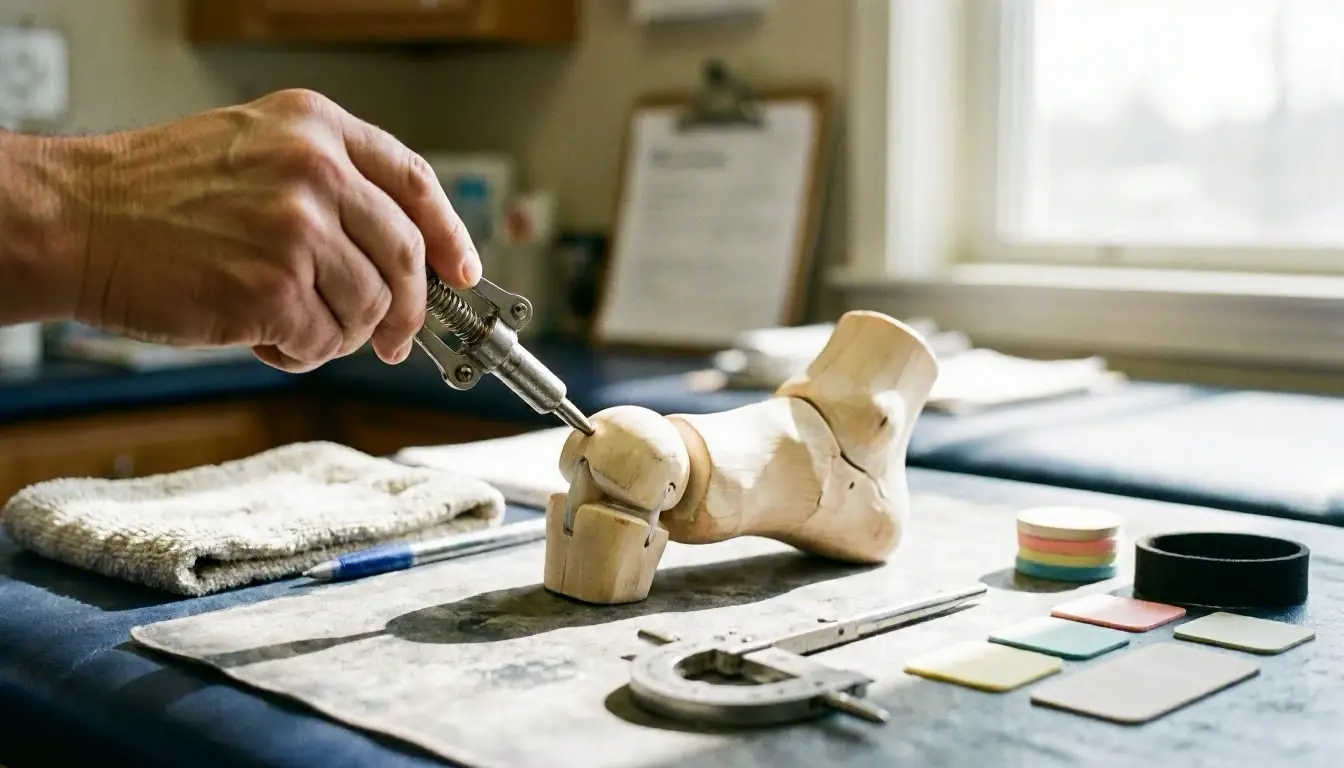
Chiropractors use their hands. They may use small tools too. They give quick, gentle pushes.
The goal is to help joints move right. It also cuts down on nerve pain. This pain can cause swelling.
This is not the same as fixing spines. It works on smaller joints. So it needs a different way.
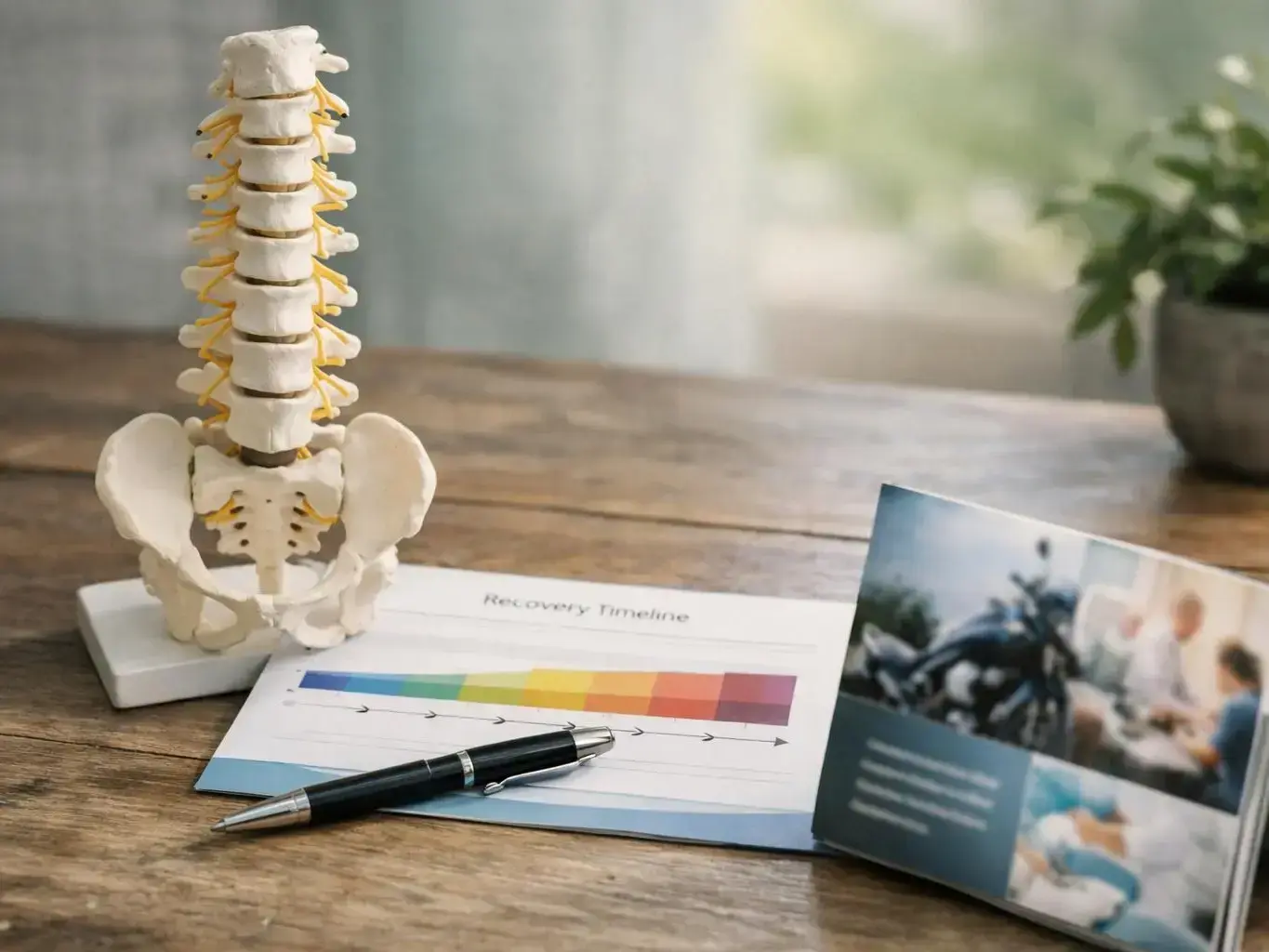
Chiropractors check joints first. They do tests to see how joints move. They may use X-rays too.
This helps them find the exact problem. It makes sure the fix is safe and works well.
For shoulders, they may move your arm. They push gently on the joint. For knees, they line up the kneecap.
People often feel better right away. Some need more than one visit. That gives longer-lasting help.
- Shoulders: Helps with rotator cuff problems. Also helps frozen shoulder or pinched parts.
- Elbows and Wrists: Good for tennis elbow. Also helps carpal tunnel (wrist pain). And other injuries from doing the same thing.
- Hips and Knees: Helps runner's knee. Also helps it band (leg pain) and hip bursitis (hip swelling).
- Ankles and Feet: Fixes sprains. Also helps plantar fasciitis (foot pain) and weak ankles.
Why Extremity Adjusting Matters?
Extremity adjusting keeps your body healthy. Bad joints can hurt. They can swell too.
They can also hurt nearby muscles. They can pinch nerves. For example, a bad ankle can hurt your knee.
A bad shoulder can hurt your neck. Fixing these helps stop more damage. It also helps you move better.
This is great for athletes. It's good for hard workers too. It helps anyone healing from an injury.
Another good thing is it cuts down on medicine. It may help you avoid surgery too.
Many find help with chiropractic care. It uses natural healing. It doesn't use drugs.
It can also help you do better at work or sports. It makes joints work better. It cuts down on stiffness.
People with arthritis may feel better. Regular fixes can help them move more.
When Extremity Adjusting Matters Most?
Extremity adjusting helps when joints hurt. It helps when they don't work right. This can make daily life hard.
Athletes with sprains may need it. So might people with shoulder injuries. It helps them move fully again.
Workers who type or lift may get joint pain. This method can help them too. It works for people who use tools a lot.
It also helps after accidents or falls. It helps after surgery. It can fix joints and cut down on scar tissue.
It helps with long-term problems too. Like arthritis (joint swelling) or tendonitis (tendon pain).
Keeping joints lined up can slow damage. It can cut down on pain. It's often used with other therapies.
Other therapies include stretching. They include exercises to get stronger. They include working on soft tissue.
In McDonough, GA, many get extremity adjusting. It's common for work injuries. It's common for sports injuries too.
It helps with joint problems from aging. Chiropractors may suggest it as part of a bigger plan.
Spine fixes alone may not help. For example, back pain may come from bad hips. Fixing both helps more.