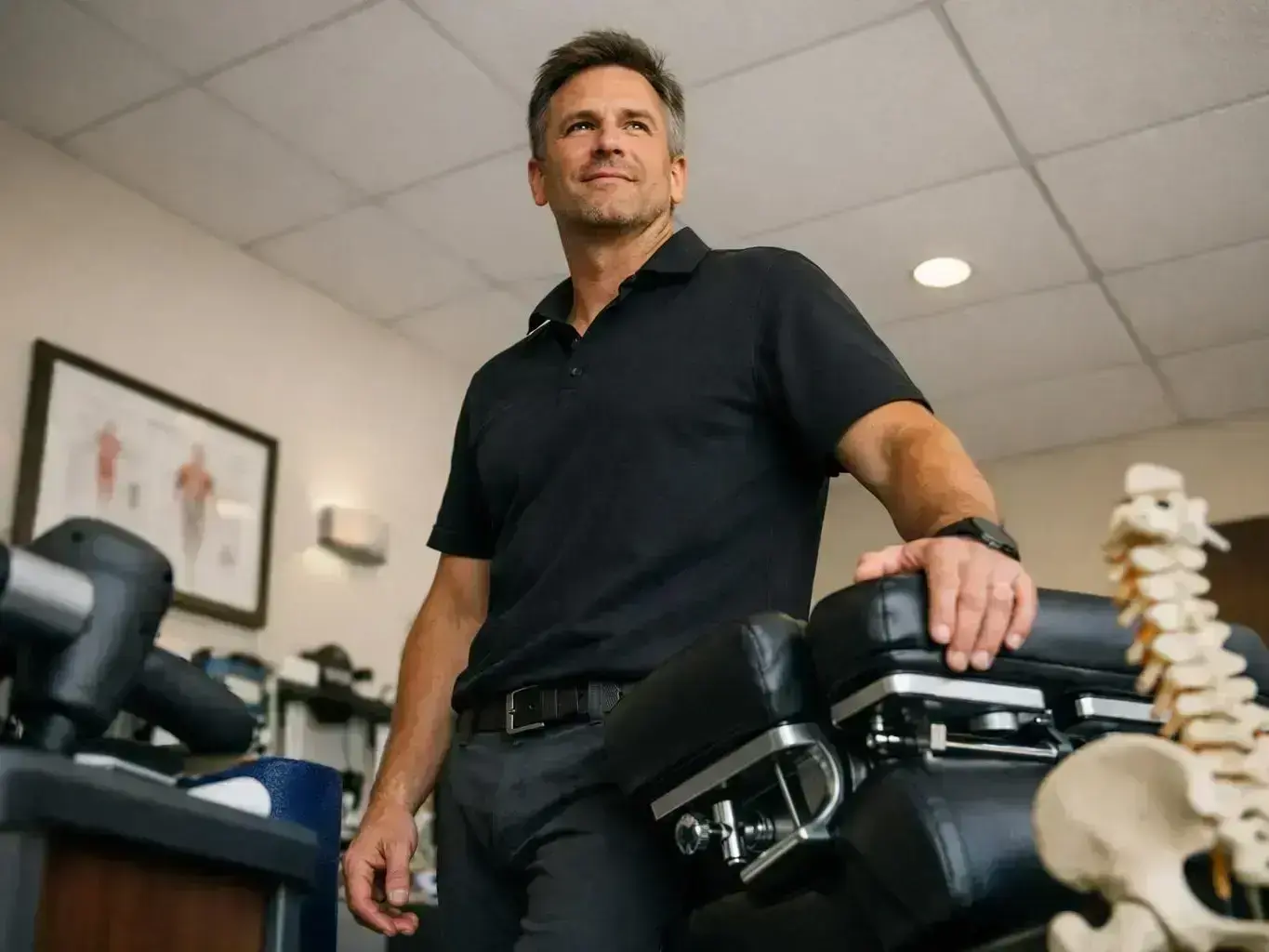
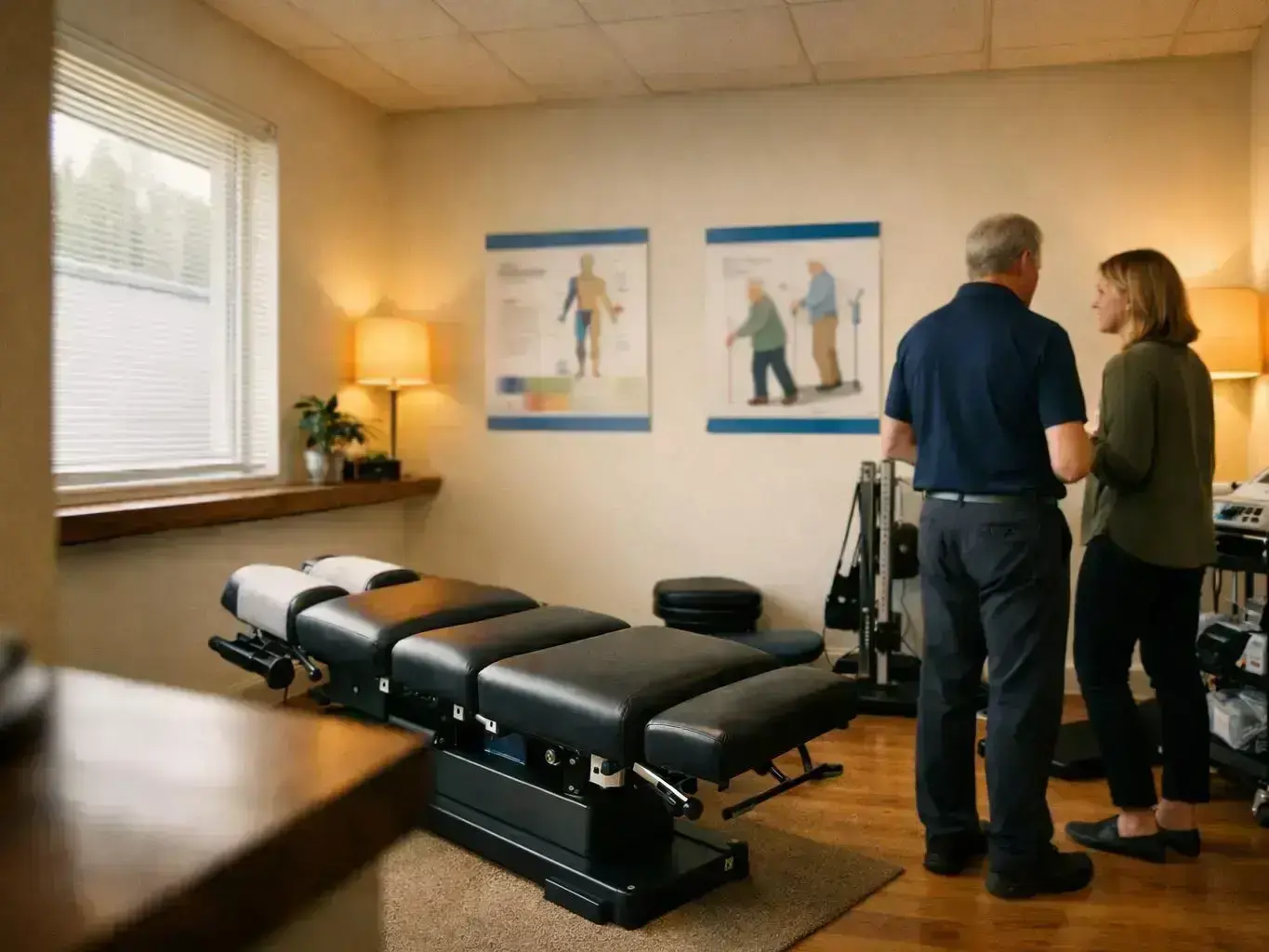
Understanding Chiropractic Education

Chiropractic Education refers to the structured programs and training required to become a licensed chiropractor. These programs teach students how to diagnose and treat conditions related to the spine, joints. And nervous system without surgery or prescription drugs. The curriculum includes courses in anatomy, physiology, neurology, radiology. And hands-on techniques for spinal adjustments. Students also learn how to assess patient health, create treatment plans. And provide non-invasive care for pain and mobility issues.
Chiropractic Education is regulated to ensure safety and effectiveness. In the United States, the Council on Chiropractic Education (CCE) sets the standards for chiropractic programs. To enroll in a Doctor of Chiropractic (D.C.) program, students typically need a bachelor’s degree with prerequisite courses in biology, chemistry. And physics. The D.C. Program itself takes about 3-4 years to complete, depending on the school and whether the student attends full-time.
How Chiropractic Education Works?
Chiropractic Education follows a structured path that blends academic learning with practical experience. The first two years of a D.C. Program focus on classroom instruction, covering topics like human anatomy, biomechanics. And diagnostic imaging. Students learn how the spine and nervous system interact and how misalignments can cause pain or dysfunction. They also study ethics, patient communication. And business management to prepare for professional practice.
The final years of Chiropractic Education shift to clinical training, where students work directly with patients under the supervision of licensed chiropractors. This practical local experience helps students develop skills in performing spinal adjustments, soft tissue therapies. And rehabilitative exercises. Clinical rotations may take place in chiropractic clinics, hospitals. Or community health centers, exposing students to a variety of patient needs and conditions.
For local customers, After completing their D.C. Degree, graduates must pass the National Board of Chiropractic Examiners (NBCE) exams to obtain a license. Some states also require additional exams or continuing education to maintain licensure. This rigorous process ensures that chiropractors are well-prepared to provide safe and effective care to their patients.
Why Chiropractic Education Matters?
Chiropractic Education matters because it ensures that chiropractors have the knowledge and skills to help patients safely. Proper training reduces the risk of injury during treatments like spinal adjustments and teaches chiropractors how to identify conditions that require medical referral. Patients benefit from care provided by professionals who understand the body’s structure and how to relieve pain without surgery or medication.
For the healthcare system, Chiropractic Education supports a non-invasive approach to managing musculoskeletal conditions. Chiropractors often collaborate with medical doctors, physical therapists. And other providers to offer full care. Their training also emphasizes preventive care, helping patients maintain spinal health and avoid future injuries or chronic pain.
When Chiropractic Education Matters Most?
Chiropractic Education becomes especially important when choosing a chiropractor for personal or family care. Patients should look for providers who have completed an accredited D.C. Program and hold a valid license in their state. That way the chiropractor has met rigorous standards for education and training, reducing the risk of improper treatment.
Chiropractic Education also matters for parents, athletes. And workers who rely on chiropractic care for injury prevention or recovery. For example, athletes may seek chiropractors trained in sports-related injuries. While workers with repetitive strain issues need providers who understand ergonomics and workplace safety. In McDonough, GA, where many residents lead active lifestyles or work in physically demanding jobs, access to well-trained chiropractors can make a difference in long-term health and mobility.
And Chiropractic Education is critical for public safety. Licensing boards and professional associations rely on standardized education to ensure chiropractors adhere to ethical and evidence-based practices. Without proper training, unlicensed practitioners could pose risks to patients, making education a cornerstone of trust in the profession.