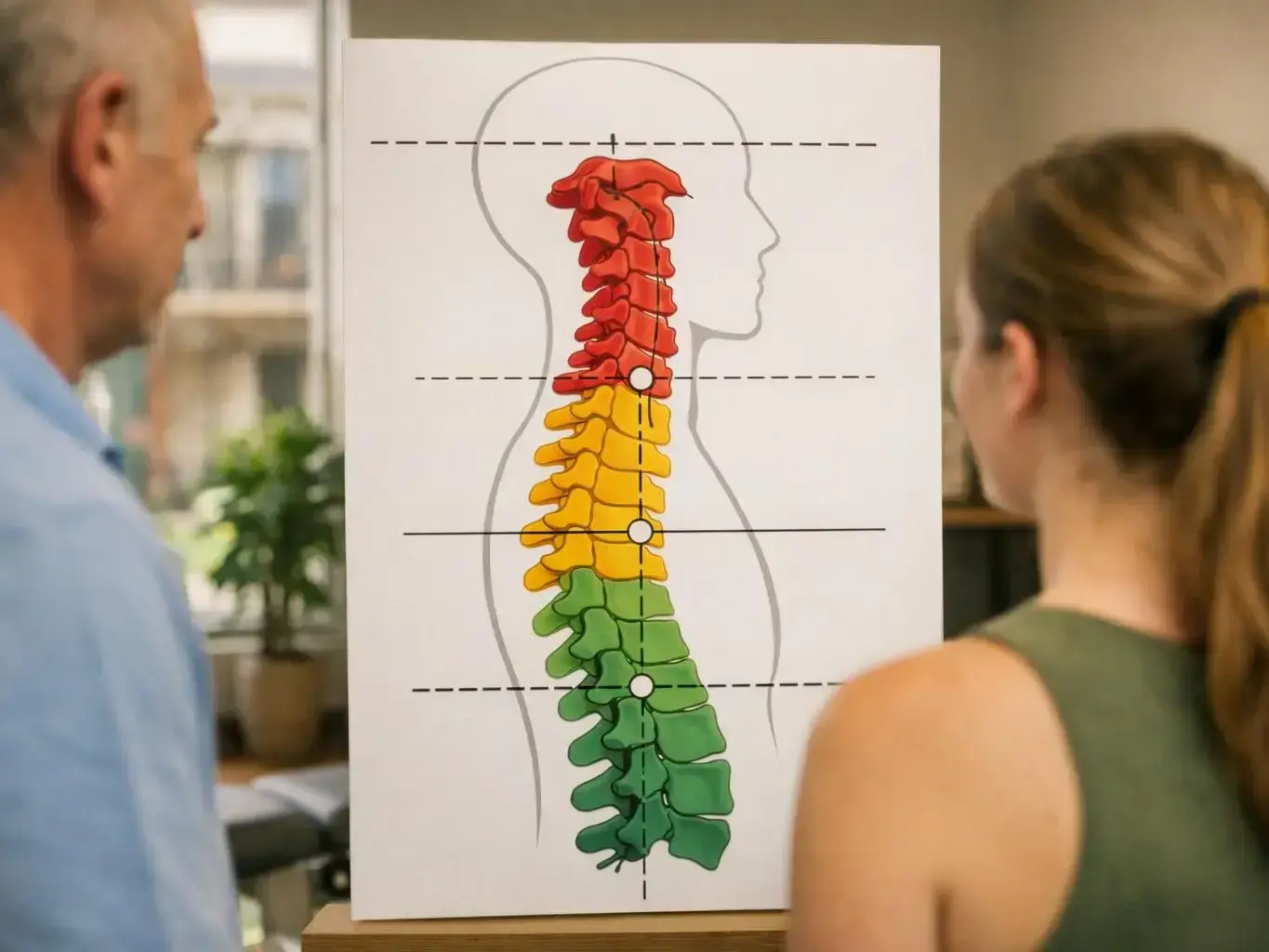
Understanding Chiropractic Biophysics

Chiropractic Biophysics (CBP) is a research-based approach to chiropractic care that focuses on correcting the shape and alignment of the spine. Unlike traditional chiropractic methods that may only target pain relief, CBP aims to restore the spine to its ideal biomechanical structure. This technique is based on the idea that abnormal spinal curves—such as forward head posture, swayback. Or a flattened neck curve—can lead to pain, reduced mobility. And even nerve dysfunction over time.
CBP practitioners use detailed measurements and X-rays to assess spinal alignment. These tools help identify specific areas where the spine deviates from its normal shape. The treatment plan often includes a mix of spinal adjustments, traction. And exercises designed to gradually reshape the spine. The goal is not just to reduce symptoms but to improve the spine’s long-term function and health.
How Chiropractic Biophysics Works?
Chiropractic Biophysics follows a structured process to correct spinal alignment. First, the chiropractor takes precise measurements and X-rays to evaluate the spine’s current shape. These images help identify abnormal curves, such as a loss of the neck’s natural curve or an exaggerated lower back curve. The chiropractor then compares these findings to ideal spinal models to determine the specific corrections needed.
Treatment typically involves mirror-image adjustments, where the chiropractor applies gentle pressure to the spine in the opposite direction of the misalignment. That means often combined with traction devices that stretch and reshape the spine over time. Patients may also be given specific exercises to strengthen supporting muscles and maintain the corrections. The process is gradual, with regular re-evaluations to track progress and adjust the plan as needed.
In practice, CBP is not a quick-fix approach. It requires consistent effort from both the chiropractor and the patient, as reshaping the spine takes time. But the focus on structural correction can lead to more lasting relief from pain and improved overall function, especially for those with chronic spinal issues.
Why Chiropractic Biophysics Matters?

Chiropractic Biophysics matters because it addresses the root cause of many spinal problems, rather than just masking symptoms. Poor posture and abnormal spinal curves can lead to chronic pain, headaches, fatigue. And even nerve compression. By restoring the spine to its natural shape, CBP can reduce these issues and improve quality of life. This approach is particularly valuable for people who have tried traditional chiropractic care or physical therapy without long-term success.
Another key benefit of CBP is its focus on prevention. By correcting spinal alignment early, patients may avoid future problems like degenerative disc disease or joint wear-and-tear. The technique is also backed by research, which helps build confidence in its effectiveness. For those dealing with chronic back or neck pain, CBP offers a structured, science-based path to better spinal health.
When Chiropractic Biophysics Matters Most?
Chiropractic Biophysics is most useful for people with chronic spinal issues that haven’t improved with other treatments. This includes conditions like forward head posture, scoliosis. Or a flattened neck curve. It’s also helpful for those recovering from injuries—such as car accidents or sports injuries - that have altered the spine’s natural alignment. Patients who experience recurring pain, stiffness. Or fatigue due to poor posture may find CBP particularly beneficial.
The technique is also valuable for individuals who want a long-term solution to spinal health, rather than temporary relief. Because CBP involves exercises and traction, it works best for patients who are willing to commit to a structured treatment plan. People with severe spinal deformities or those who need post-surgical rehabilitation may also benefit from CBP under the guidance of a trained chiropractor.